
Close-up of an the ICR logo on a research centre

Centre for In Vivo Modelling

The Centre for In Vivo Modelling is a newly established research centre within the Division of Cancer Biology at the ICR. Our scientists and clinical researchers use state-of-the-art in vivo models to address fundamental questions in cancer biology, with the ultimate aim of identifying curative treatments. We also serve as a collaborative hub across the ICR and The Royal Marsden, providing cutting-edge expertise in advanced mouse genetics and humanised in vivo models of cancer.

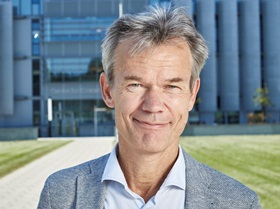
Professor Kamil R Kranc, Chair of Haemato-Oncology, serves as the Centre's Director, while Fabiana Muzzonigro is the Centre Administrator.


How we conduct research at this centre

Solid tumours and blood cancers are highly complex ecosystems, with many composed of varying cell types including rare cancer stem cells at the apex of a hierarchical organisation, more differentiated malignant progeny, and a dynamic microenvironment that nurtures tumour growth and survival. At our Centre, we seek to elucidate the fundamental principles that govern this malignant ecosystem. We employ advanced mouse genetics (including barcoding and lineage tracing) and PDX models to dissect how tumour cells function, evolve under selective pressures, evade therapy, and engage with their microenvironment to sustain disease progression. By decoding these intricate cellular and molecular interactions, we aim to identify transformative therapeutic strategies capable of eradicating cancer at its origin - achieving durable remission while preserving normal tissue integrity.

A particular strength of our Centre lies in the generation and application of in vivo models, which are essential for uncovering novel aspects of cancer biology and evaluating emerging therapies. We work in close collaboration with ICR researchers and clinicians at The Royal Marsden to develop patient-derived xenograft (PDX) models of leukaemias and solid tumours by transplanting human cancer tissue into immunocompromised mice. In parallel, we generate and utilise genetically engineered mouse models (GEMMs) to interrogate cancer biology in a physiologically relevant context. By leveraging these sophisticated in vivo systems, the Centre aims to:

  • Uncover new facets of cancer biology in a complex in vivo ecosystem
  • Discover and validate novel therapeutic targets allowing for elimination of cancer stem cells and their malignant progeny in blood cancers and solid tumours
  • Collaborate closely with drug discovery teams at the ICR to develop inhibitors of these targets
  • Evaluate new anti-cancer drugs in pre-clinical in vivo models, paving the way for clinical trials.

In addition to our academic focus, CIVM serves as a collaborative hub across the ICR and The Royal Marsden, providing the ICR community with cutting-edge expertise in advanced mouse genetics and humanised mouse models of cancer.

Join us

We are recruiting two exceptional Group Leaders to join the Division of Cancer Biology and the Centre for In Vivo Modelling (CIVM). This is a unique opportunity to shape the future of cancer biology research, lead innovative programmes, and make discoveries that transform patient outcomes.

These new Group Leaders will investigate fundamental mechanisms of tumour initiation, progression, and treatment resistance, and develop cutting-edge preclinical models to advance understanding of cancer biology. Working in close collaboration across the ICR and The Royal Marsden Hospital, the postholders will translate discovery science into new therapeutic opportunities, contributing to the ICR’s mission to make the discoveries that defeat cancer.

Find out more about the vacancies

Members of this Centre

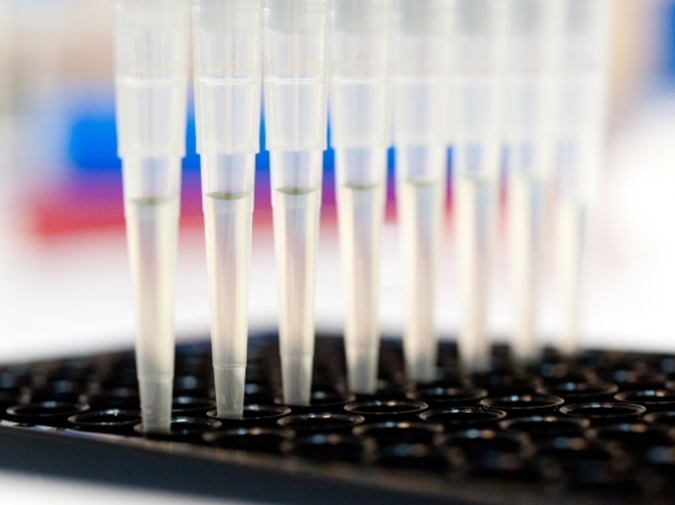
Pipettes and well plates

In Vivo Modelling core

We provide cutting-edge expertise in advanced mouse genetics and humanized mouse models of cancer.

CIVM Service Core

Other staff:

Driving discovery through collaboration 

At CIVM, our collaborative spirit drives our mission to advance cancer cures. We actively partner with basic science, translational, and clinical research groups across the ICR and The Royal Marsden. Our collaborations also extend beyond, working closely with distinguished academic teams at the Universities of Oxford, Cambridge, Edinburgh, Cardiff, London, Glasgow, and the Francis Crick Institute.


News from the Centre

We are recruiting a Group Leader in In Vivo Cancer Modelling. We welcome applications at both the Career Development Faculty and Career Faculty levels. Competitive start up package is available. For further particulars please contact [email protected].


Current vacancies

Group Leader in In Vivo Cancer Modelling

  • Sutton
  • Cancer Biology
  • From £66,092 per annum
  • Fixed term

The Institute of Cancer Research (ICR) in London seeks to appoint a Group Leader in In Vivo Cancer Modelling to play a pivotal role in advancing our cutting-edge cancer research. The position is based at the newly established Centre for In Vivo Modelling (CIVM), part of the Division of Cancer Biology. We welcome applications at both the Career Development Faculty and Career Faculty levels. Key Requirements The successful candidate will generate and employ state-of-the-art genetic and humanised mouse models of cancer to tackle fundamental and translational questions in haemato-oncology and/or solid tumour oncology. In addition to leading a successful research group, they will expand the CIVM's research capabilities and foster productive collaborations with other groups and centres at the ICR, thus promoting in vivo modelling by integrating it into multidisciplinary projects and initiatives. Applicants must have an internationally recognised track record of leading research in in vivo modelling and advanced mouse genetics, demonstrated by high-quality publications and significant funding success. For more junior candidates, an outstanding track record in cancer research, coupled with a compelling research vision leveraging advanced genetic mouse models and clear potential to secure competitive external funding, is essential. As part of your online application you will be required to upload your full CV which will pre-populate your application form, you will also be asked to attach the following documents and failure to do so will mean your application cannot be considered on this occasion: Lists of major publications, achievements, research grants, distinctions. Research plan (five to six pages outlining your current research interests and research programme for the next 5 years) A PDF of a maximum of five key publications, or other research outputs (e.g. patents) that best demonstrate previous productivity You must also complete the personal statement section of the application form in the format of a covering letter including the names and contact details of three academic referees Department/Directorate Information: Cancer Biology Division Information The ICR is one of the world’s most influential cancer research institutions, with an outstanding track record of achievement dating back more than 100 years. In addition to being one of the UK’s leading higher education institutions for research quality and impact, the ICR is consistently ranked among the world’s most successful for industry collaboration. As a member institution of the University of London, we also provide postgraduate higher education of international distinction. One of the ICR’s key research strategies is to defeat cancer by viewing it as a dynamic ecosystem. We aim to solidify our expertise in state-of-the-art in vivo cancer models to probe these complex cancer ecosystems, discover their underlying biology, and identify new therapeutic targets. The postholder will significantly contribute to driving these strategic priorities. We encourage all applicants to access the job pack attached for more detailed information regarding this role. If you would like to informally discuss this position, please contact Professor Kamil R. Kranc ([email protected]), Director of the Centre for In Vivo Modelling, or Professor Chris Jones ([email protected]), Head of the Division of Cancer Biology at the ICR.

Group Leader in Cancer Stem Cell Biology

  • Sutton
  • Cancer Biology
  • Competitive
  • Permanent

Key Requirements As part of your online application you will be required to upload your full CV which will pre-populate your application form, you will also be asked to attach the following documents and failure to do so will mean your application cannot be considered on this occasion: Lists of major publications, achievements, research grants, distinctions. Research plan (five to six pages outlining your current research interests and research programme for the next 5 years) A PDF of a maximum of five key publications, or other research outputs (e.g. patents) that best demonstrate previous productivity You must also complete the personal statement section of the application form in the format of a covering letter including the names and contact details of three academic referees Department/Directorate Information: Cancer Biology Information The Institute of Cancer Research (ICR) in London seeks to appoint a Group Leader in Cancer Stem Cell Biology to play a pivotal role in advancing our cutting-edge cancer research. The position will be based in newly-refurbished laboratory and office space at our Sutton campus within the Division of Cancer Biology. We welcome applications at both the Career Development Faculty and Career Faculty levels. The ICR is one of the world’s most influential cancer research institutions, with an outstanding track record of achievement dating back more than 100 years. In addition to being one of the UK’s leading higher education institutions for research quality and impact, the ICR is consistently ranked among the world’s most successful for industry collaboration. As a member institution of the University of London, we also provide postgraduate higher education of international distinction. One of the ICR’s key research strategies is to defeat cancer by viewing it as a dynamic ecosystem. We aim to solidify our expertise in the biology of cancer stem cellsaq. The postholder will significantly contribute to understanding the underlying biology of cancer stem cells and how this may be exploited to address key questions in tumour relapse, disease progression and metastasis. The successful candidate will have a compelling research programme focused on cancer stem cell biology in an area which complements existing disease-specific expertise at the ICR / Royal Marsden NHS trust. Possible areas of research include (but are not restricted to) basic mechanisms of self-renewal and pluripotency, regulation of cancer stem cell fate / differentiation, how they remodel the tumour microenvironment into a supportive niche, targeting treatment resistance of cancer stem cells, and the role of CSCs in driving the metastatic cascade. Applicants must have an internationally recognised track record of leading research in cancer stem cell biology, demonstrated by high-quality publications and significant funding success. For more junior candidates, an outstanding postdoctoral track record in cancer research, coupled with a compelling research vision in a strategic area of cancer stem cell biology and clear potential to secure competitive external funding, is essential. If you would like to informally discuss this position, please contact Professor Chris Jones ([email protected]), Head of the Division of Cancer Biology at the ICR.

News from the ICR

07/01/26

Tens of thousands of tumour samples which have been stored in the basement of a London hospital for more than 70 years could be the key to unlocking the mystery of why bowel cancer cases are rising in the under 50s, scientists believe.

Researchers at The Institute of Cancer Research, London, and St Marks Hospital are launching a pioneering study to compare bowel cancer specimens from the 1960s with modern-day cancer samples.

Using cutting-edge lab techniques, the team hopes to uncover how changes in diet, lifestyle, and environmental exposures – collectively known as the exposome – may be driving the rise in cases of early-onset bowel cancer.

Bowel cancer is the fourth most common cancer in the UK and the second leading cause of cancer deaths. While screening programmes have helped reduce cases in older adults, diagnoses among younger people have been climbing in recent years –and are expected to double between 2010 and 2030.

Early-onset cancers are found later 

Some studies have shown that these early-onset cancers are diagnosed at a later stage and seem to behave more aggressively than bowel cancer in older people, so even with better treatments, the outcomes for these patients are often poor.

Research has so far been unable to determine why bowel cancer is becoming more common in younger people, although many theories have been proposed, including changes in diet and lifestyle, exposure to environmental pollutants such as microplastics, and even changes to the bugs living in the bowel (known as the microbiome).

The study, called the “Boomers Project”, will use preserved pathology specimens from St Mark’s Hospital, home to one of the UK’s oldest archives of bowel cancer samples. Early tests have shown that even after decades in storage, the samples, some of which date as far back as the turn of the 20th century remain intact and suitable for advanced molecular analysis techniques.

Mapping how DNA is altered in old samples

Different environmental exposures – such as smoking or diet – each shape the DNA inside the cancer in unique ways. The researchers plan to use genome sequencing techniques – including novel approaches developed at The Institute of Cancer Research (ICR) – to map how the DNA is altered in the cancer specimens from the 1950s compared to cases from the present day. The comparison will show how environment exposures have changed over the past decades.

If successful, the project could pave the way for a larger-scale investigation and inform new strategies for prevention, diagnosis, and treatment.

Professor Trevor Graham, Professor of Genomics and Evolution and Director of the Centre for Evolution and Cancer at The Institute of Cancer Research, London, said:

“People in the 1960s lived differently to people today. We believe that the exposome – the changes in diet, lifestyle and environmental factors we are exposed to – is contributing to the increase in cases and deaths from bowel cancers in younger adults.

'We hope to identify exactly what is driving the increase in bowel cancer diagnoses in younger adults'

“By performing detailed molecular analysis of bowel cancers from the 1960s and comparing the results to bowel cancers from today, we hope to identify exactly what is driving the increase in bowel cancer diagnoses in younger adults. This could lead to new strategies for bowel cancer prevention and treatment.” 

Project co-lead Professor Kevin Monahan, Gastroenterologist and Co-Director of The St Mark’s Centre for Familial Intestinal Cancer, said:

 “We have a lot to learn about the causes of bowel cancer in young people, and why this has been increasing in recent decades. 

 “We don’t yet know whether it’s one factor or many ranging from diet and genetics to microplastics and sedentary lifestyles. What’s striking is that many younger patients show no obvious signs of poor health yet are being diagnosed with aggressive forms of bowel cancer.  We believe that our unique resource of historical tumour samples at St Mark's Hospital will open a window to new approaches to prevention of bowel cancer in the young.

 “A healthy diet and regular exercise, as well as speaking to your GP if you have new bowel symptoms such as bleeding from the back passage, or a change in how often you open your bowels, remain some of the most important ways of reducing the risk of bowel cancer.”

'We need to protect younger people and find out why more of us are being diagnosed with cancer'

Holly Masters was diagnosed with stage three rectal cancer over four years ago, when she was just 23.

The actor and access support worker from East Anglia was successfully treated with chemo-radiation, combined chemotherapy and major surgery.

Holly said: “I’d known that something wasn’t right a year before my diagnosis. I had all the symptoms of bowel cancer. But the doctors told me I had IBS and I was eventually diagnosed through emergency admission at A&E. 

"I went through a range of emotions when I was told I had cancer – up until that moment it hadn’t even crossed my mind.

"It did feel unfair to be diagnosed at such a young age. I lost all my innocence and realised how harsh life can be. I now have a stoma which did take some getting used to and it took me a long time to accept the most difficult consequence – the fear that the cancer will come back. I have to live with the mental and physical effects of my diagnosis for the rest of my life.

"We need to protect younger people and find out why more of us are being diagnosed with cancer.”