
Haemato-Oncology
The central aim of Professor Kamil Kranc's group is to discover the key mechanisms regulating leukaemic stem cell (LSC) biology and harness this knowledge to selectively eradicate LSCs, thus pioneereing novel and efficient leukaemia therapies.
Our group focuses on discovering cures for acute myeloid leukaemia with an aim to identify novel therapeutic targets for selective elimination of LSCs, without disrupting normal haematopoiesis.
Hypoxia Signalling
Cells use a variety of mechanisms to sense low levels of oxygen (hypoxia) and respond by altering their metabolism and slowing their proliferation. We discovered that unlike their normal counterparts, AML cells are uniquely sensitive to activation of their hypoxia sensing pathways. Building on this insight, we are developing new treatments to exploit this vulnerability to selectively target and eradicate leukemic cells.
Key publications: Guitart et al., Blood, 2013; Vukovic et al., J. Exp. Med., 2015; Vukovic et al., Blood, 2016; Woodley et al., Nat Comms, 2023; Dembitz et al., Leukemia, 2024; Lawson et al., Nature Cancer, 2024
RNA metabolism
The metabolism of RNA including its processing, transport, translation and degradation can have huge impacts upon a cell’s activity, health and behaviour by altering gene expression or activating intracellular pathways. Our research revealed that in comparison to the normal haematopoietic system, AML overexpresses and is critically dependent on mechanisms regulating RNA degradation. We are pursuing translational projects to better understand and target these dependencies in AML and other malignancies.
Key publications: Paris et al., Cell Stem Cell, 2019; Mapperley et al., J. Exp. Med., 2021; Turner et al., eLife, 2022
Haematopoiesis and leukemogenesis
Haematopoiesis is the process by which all blood cells are formed, including red blood cells, platelets and the immune system. This process must continue throughout life and avoid malignant transformation, while retaining the capacity to respond and adapt to stress, inflammation or disease. We work to investigate the fundamental biology of haematopoiesis and the processes underlying leukemic transformation.
Key publications: Guitart et al., J. Exp. Med., 2017; Lawson et al., Stem Cell Reports, 2021; Kucinski et al., Cell Stem Cell, 2024
The Haemato-Oncology Laboratory aims to develop new treatments for Acute Myeloid Leukaemia (AML), a devastating blood malignancy which arises from mutations within haematopoietic stem and progenitor cells (HSPCs). These mutations give rise to leukemic stem cells (LSCs) which can survive current treatments for AML and are responsible for minimal residual disease and eventual relapse.
LSCs retain many characteristics with normal HSPCs, making them difficult to target without harming normal, healthy blood production. By employing multidisciplinary approaches, we aim to identify molecular pathways that are essential for the survival of malignant cells but dispensable for normal haematopoiesis. Following identification and validation of these vulnerabilities, we work to translate our findings into novel, treatments for AML and other blood malignancies that are more effective and less toxic than existing regimes.
Professor Kamil R Kranc
Director of the Centre for In Vivo Modelling & Group Leader:
Haemato-Oncology Group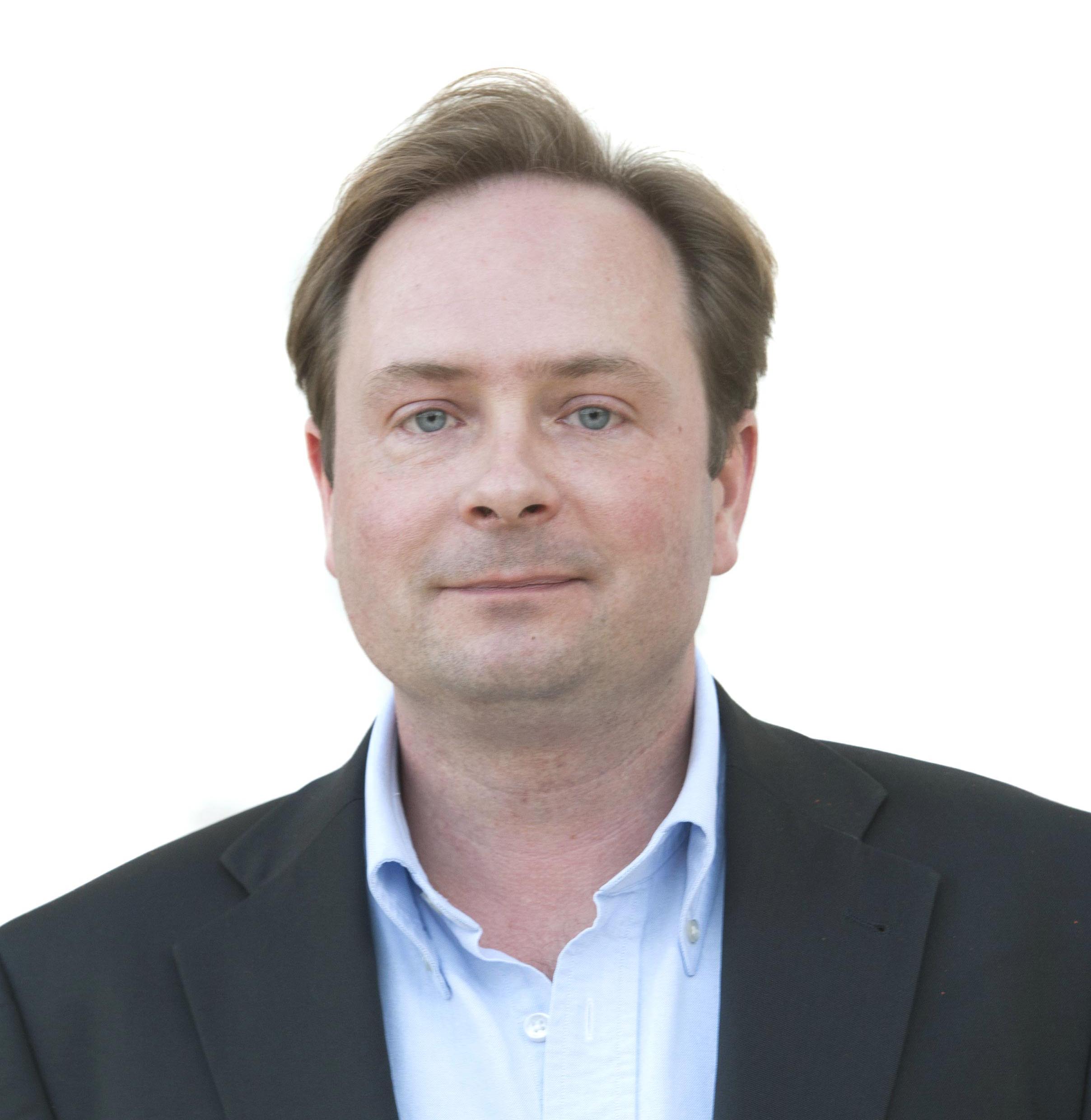
Professor Kamil R Kranc is the Chair of Haemato-Oncology and Director of the Centre for In Vivo Modelling at The Institute of Cancer Research. His central aim is to discover the key processes governing cancer stem cells in acute myeloid leukaemia, with the goal of selectively targeting these treatment-resistant cells, thus pioneering curative, non-toxic therapies.
Researchers in this group
 .
.
I am a Research Technician with over 10 years of experience in cancer research. I specialise in mouse colony management, genotyping, and supporting day-to-day laboratory work, helping ensure all research projects run efficiently.
 .
.
Email: [email protected]
Location: Sutton
I have a long history working of in cancer genetics and with models of paediatric solid tumours. With the aim of developing improved, targeted therapies for high-risk cancers.
 .
.
Email: [email protected]
Location: Sutton
I am a PhD student focused on understanding the mechanisms involved in targeting the hypoxia signalling pathway in myeloid malignancies. My work aims to identify synthetically lethal vulnerabilities and resistance mechanisms, with the goal of advancing the clinical translation of novel therapeutic strategies.
 .
.
Email: [email protected]
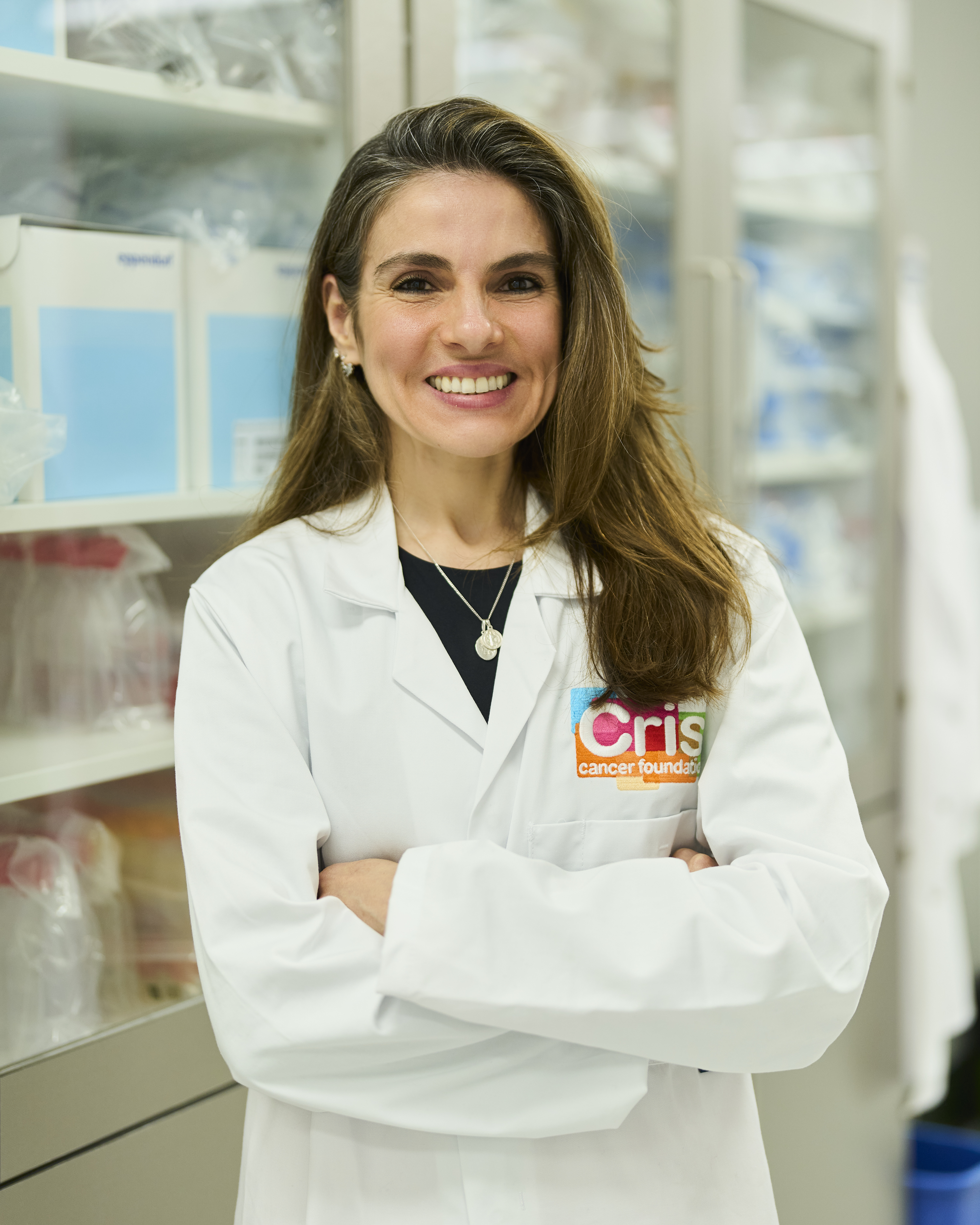
I am a MSc student from Leiden University, and I am completing my thesis at the ICR, where I investigate novel therapeutic compounds for acute myeloid leukaemia (AML) by targeting the RNA-binding YTHDF proteins.
 .
.
I am a senior Post-Doctoral Research Fellow in the Haemato-Oncology Group at the ICR and my research experience to date has focused on genomic profiling, origin and evolutionary aspects of high-risk acute lymphoblastic leukaemia (ALL). Currently, my project explores synthetic lethality concepts and novel drug combinations interfering with mRNA biology using high-risk ALL (T-cell leukaemias) as well as acute myeloid leukaemia (AML) as models.
 .
.
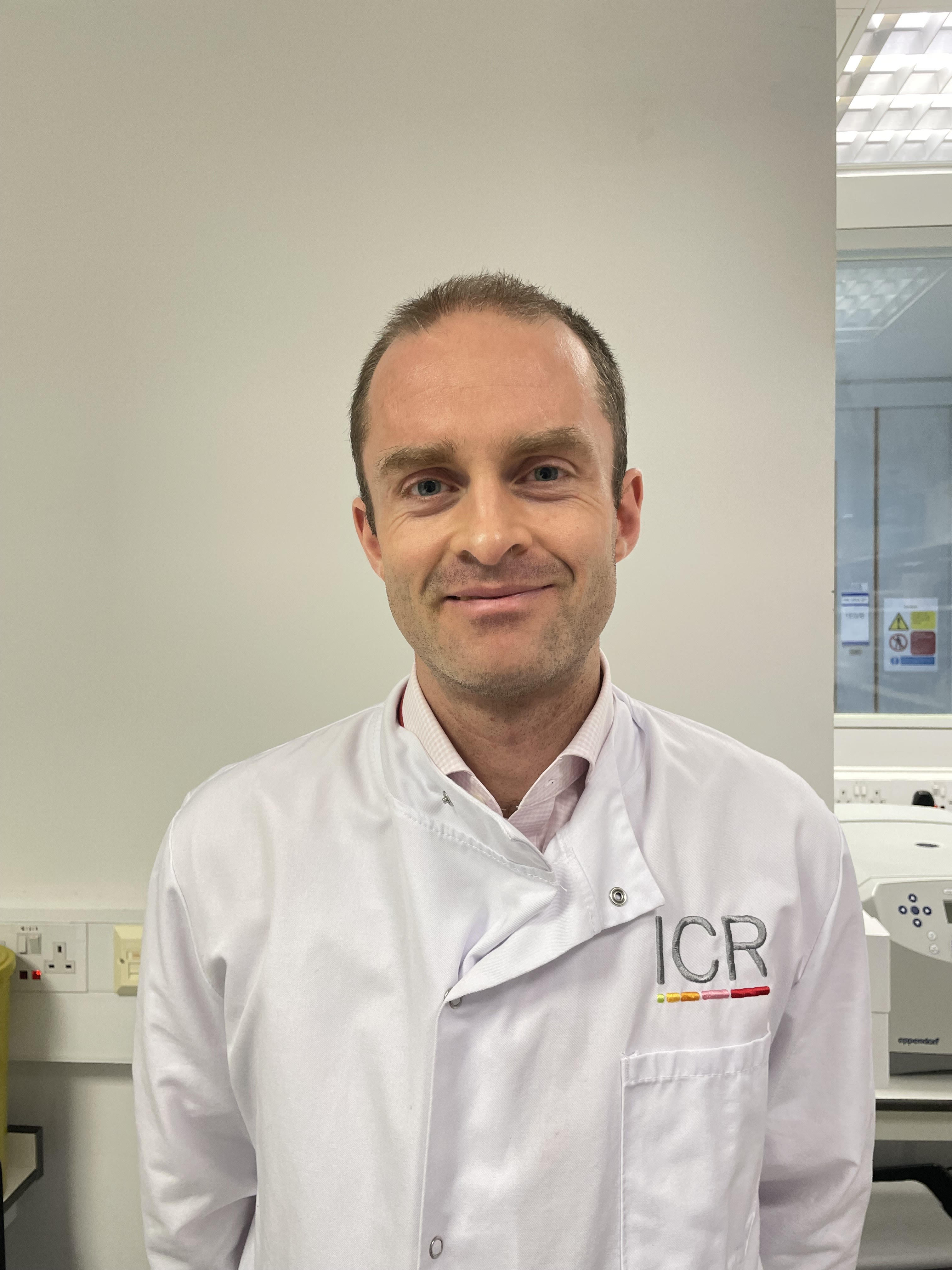
I am a Senior Staff Scientist at the Centre for In Vivo Modelling (CIVM) and I am specialised in mouse genetics, reproductive technologies and genome engineering, supporting researchers through ICR’s Transgenic, Genome Engineering and Biological Services facilities. My expertise includes in vitro fertilisation (IVF), sperm and embryo cryopreservation, mouse rederivation, gene targeting in embryonic stem cells, and the generation of mouse models using CRISPR technologies.
 .
.
Email: [email protected]
I am a haematology registrar and second-year PhD student. My clinical and research interests are focussed on AML and improving patient outcomes for this disease. The central aim of my work is to determine how the hypoxia-inducible factor (HIF) pathway can best be stabilised to achieve an optimum anti-leukaemic effect.
.jpg?sfvrsn=a578e646_1) .
.
Email: [email protected]
Location: Sutton
I am a Scientific Officer working on drug discovery in acute myeloid leukaemia (AML), with a focus on the 2-oxoglutarate (2OG) oxygenase family. My research explores how these enzymes can be targeted for therapeutic benefit to develop new treatments for blood cancers.
 .
.
Email: [email protected]
Location: Sutton
I am a PhD student focused on understanding how RNA-based regulatory mechanisms control gene expression in normal and malignant haematopoiesis. My research aims to explore the wider landscape of RNA modification pathways to identify previously uncharacterised regulators that could offer new therapeutic opportunities in acute myeloid leukaemia (AML).
 .
.
Email: [email protected]
Location: Sutton
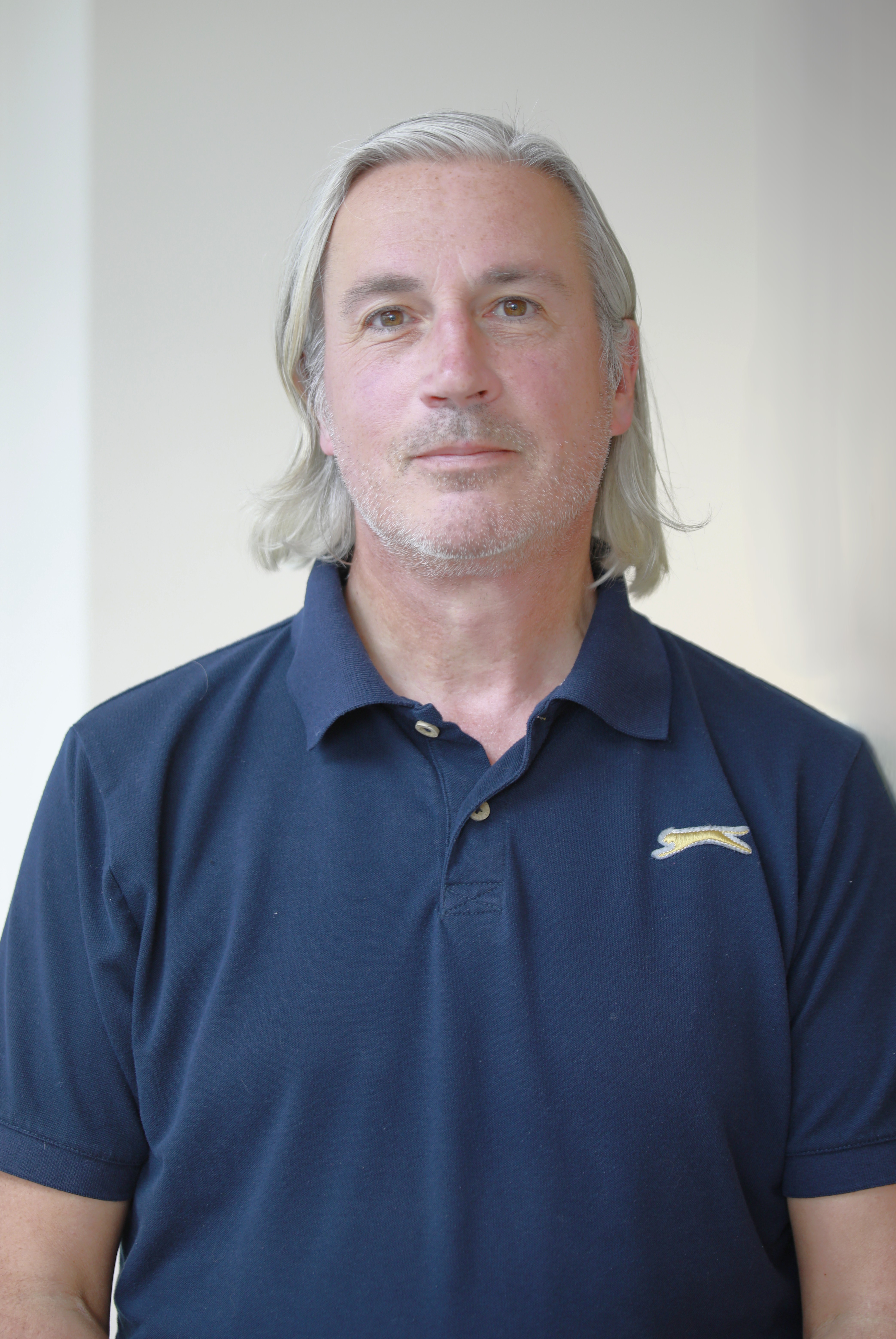
I graduated with a Bachelor of Engineering (B.E.) in Biotechnology in 2023 and interned at the Himalaya Wellness Company under the Microbiology R&D Department, working on Pharmaceutical, Nutraceutical and Cosmetic Products. After obtaining my MSc degree in Cancer Molecular and Cellular Biology at Queen Mary University of London (Barts Cancer Institute), I am currently conducting laboratory research in Prof Kamil Kranc’s team here at The Institute of Cancer Research (ICR). The project focuses on identifying target vulnerabilities within N^6-methyladenosine (m^6A) RNA methylation reader landscapes in AML cell lines.
 .
.
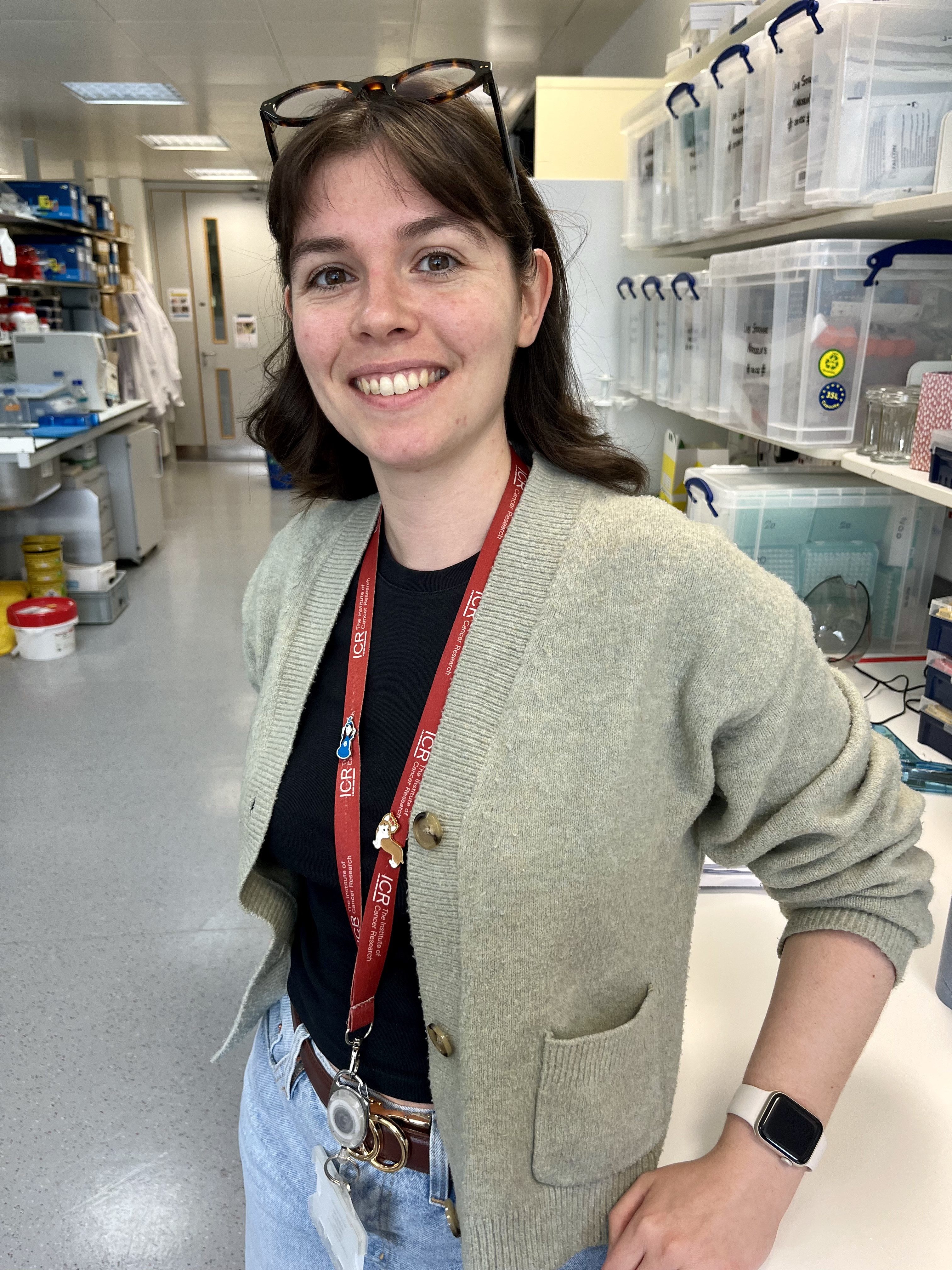
I am an experienced researcher carrying out various in vivo models for the Chesler’s and Kranc’s groups. I am currently looking into therapeutic treatment of neuroblastoma, medulloblastoma and AML.
 .
.
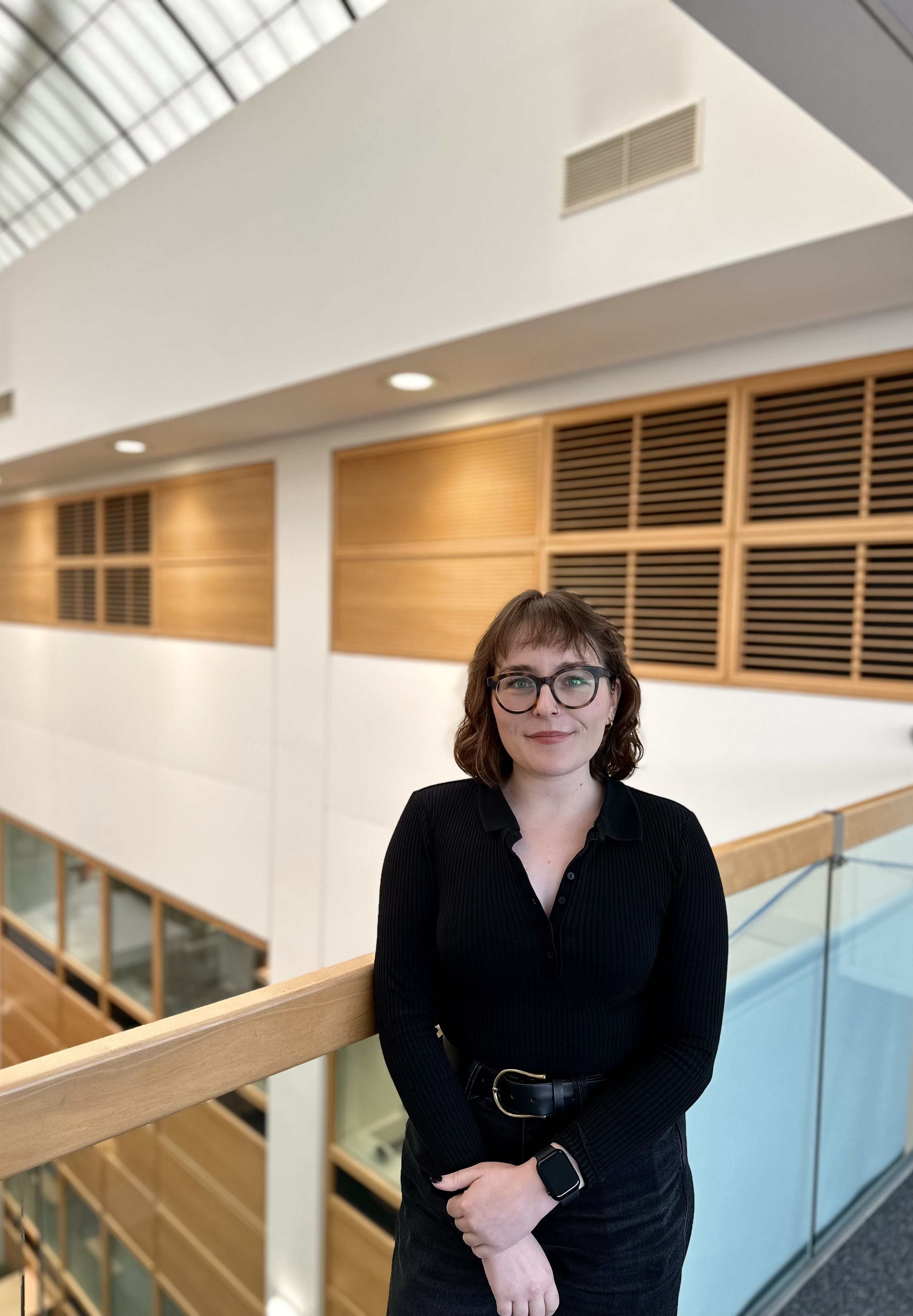
I am a Postdoctoral Research Fellow investigating the role of m6A reader proteins in acute myeloid leukaemia (AML). My principal research objective is to identify therapeutic vulnerabilities and resistance pathways, with the ultimate goal of informing the development of innovative and combinatorial treatment strategies for clinical translation.
 .
.
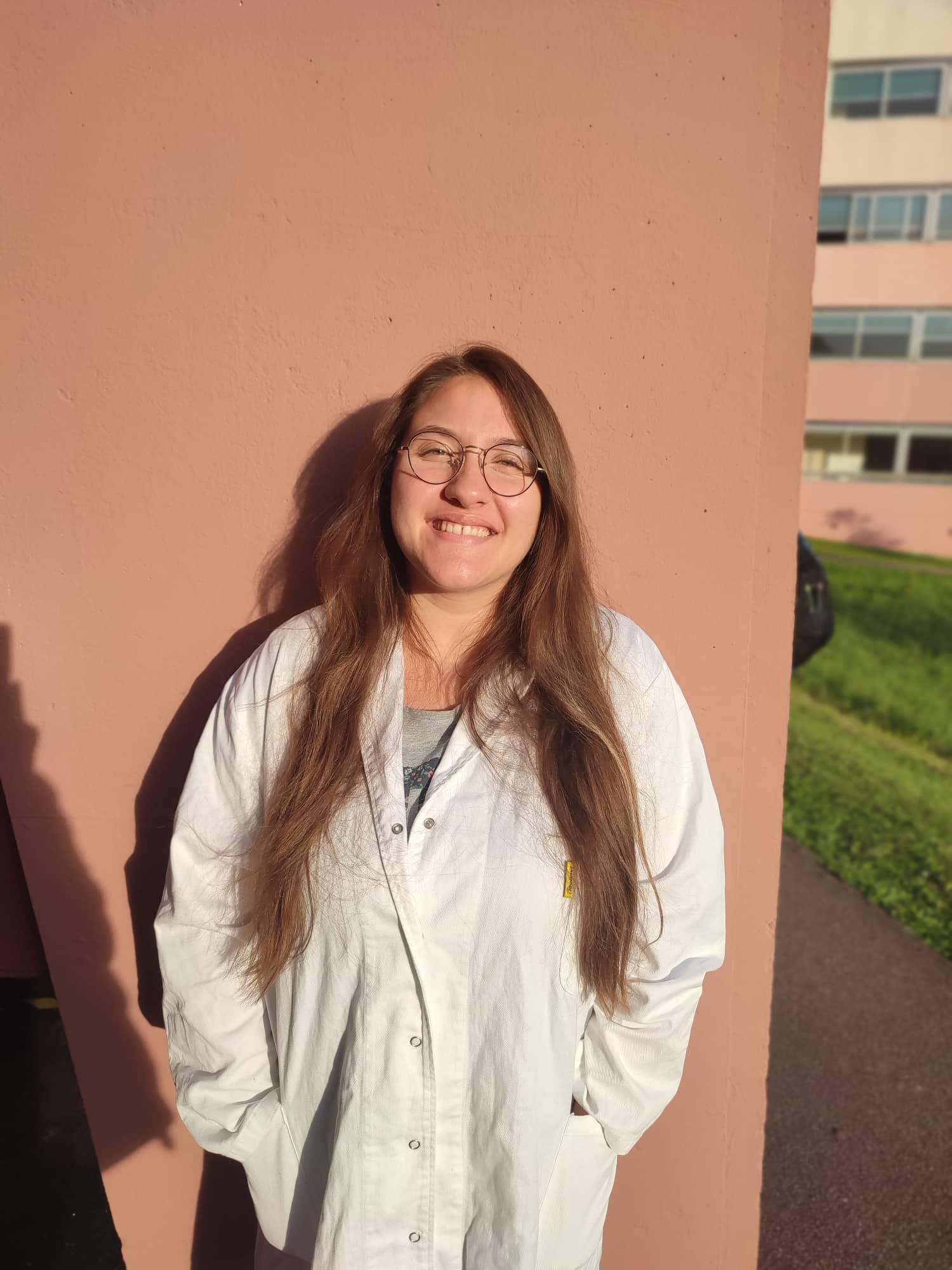
I am a Senior Postdoctoral Research Fellow at The Institute of Cancer Research (ICR) in London. My work explores how oxygen sensing, metabolism and hypoxia signalling shape blood cancers like acute myeloid leukaemia (AML). By combining advanced in vivo models, multi-omics and drug discovery, I aim to uncover new, non-toxic ways to eliminate leukaemic stem cells and prevent relapse. My research, published in Nature Cancer and recognised among ICR’s “Top 10 Scientific Achievements,” is now supported by a Blood Cancer UK Project Grant to translate these discoveries into new therapies for patients.
 .
.
Email: [email protected]
Location: Sutton
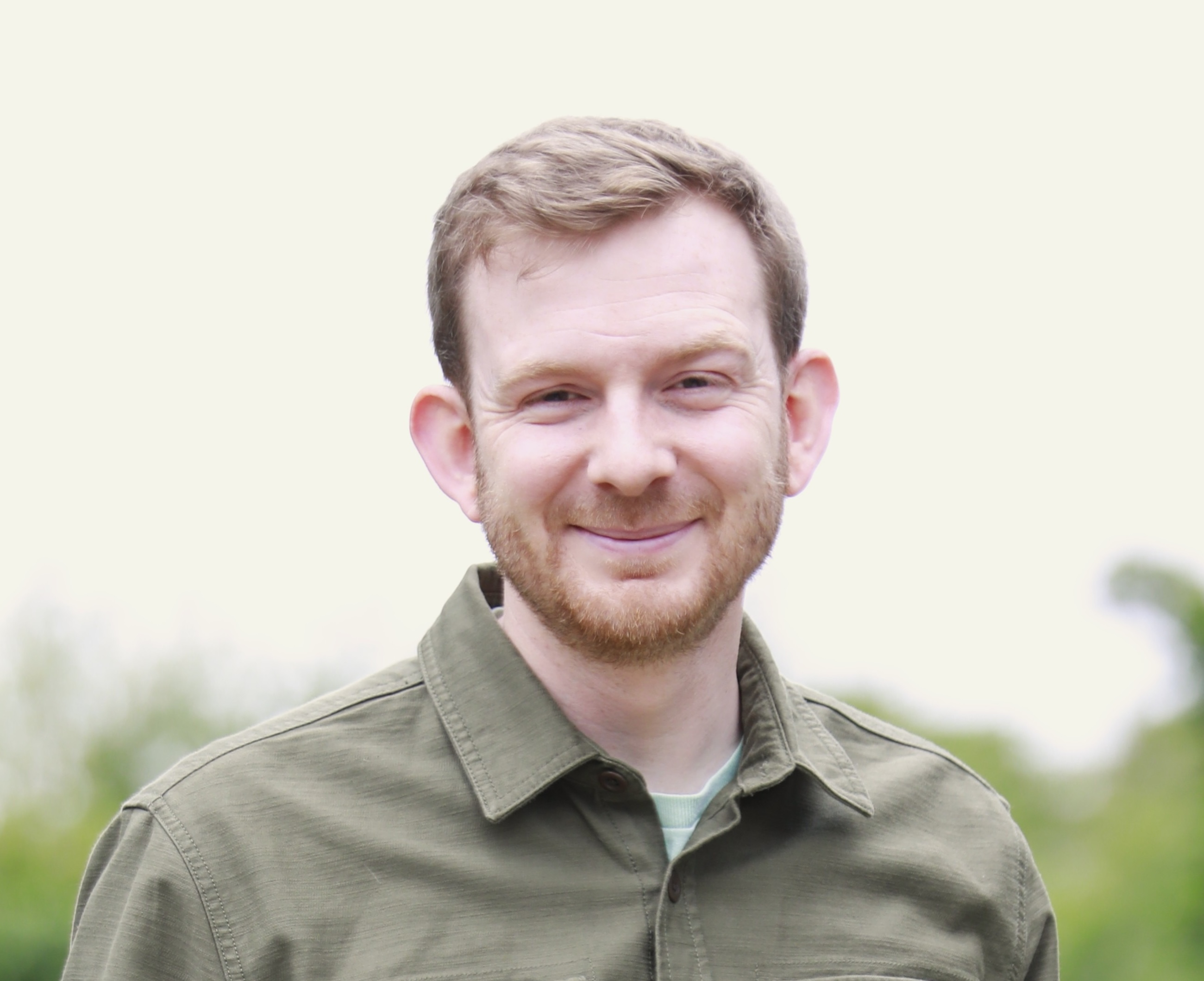
I hold two MSc degrees from the University of Lille, one in Oncology and another one in Bioinformatics, and I am currently a research intern in the Haemato-Oncology Group at the ICR undertaking a volunteer research placement. My work focuses on the RNA metabolism in acute myeloid leukaemia.
 .
.
Email: [email protected]
Location: Sutton
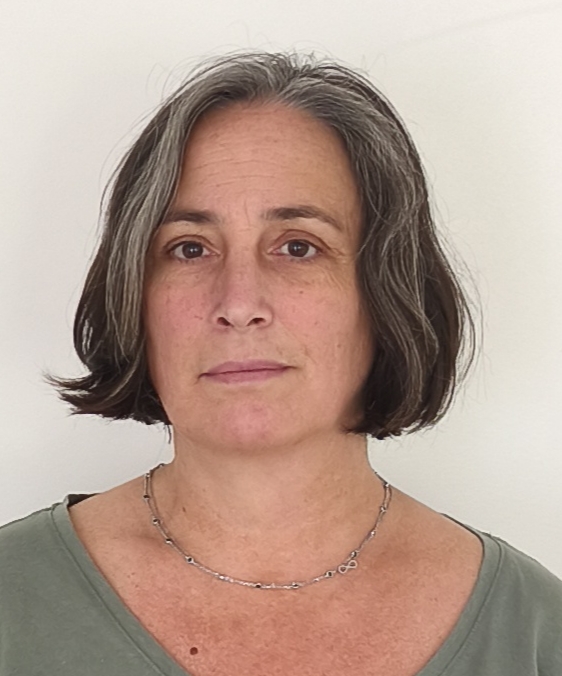
My research focuses on RNA biology in normal and malignant haematopoiesis, spanning from the discovery of novel therapeutic targets through to pre-clinical validation of novel compounds. I focus on identifying and exploiting vulnerabilities in acute myeloid leukaemia (AML) to develop more effective and less toxic treatment strategies. In parallel, I investigate how these pathways function in normal haematopoiesis, with a focus on defining therapeutic windows, minimising toxicity, and uncovering new approaches to enhance haematopoietic stem cell transplantation and regeneration.
 .
.
Since 2016, as a Higher Scientific Officer in the Paediatric Solid Tumour Biology and Therapeutics Group at The Institute of Cancer Research (ICR), I have been investigating the molecular mechanics of aggressive childhood cancers. My research focus on preclinical modelling of high-risk solid tumours, including neuroblastoma and medulloblastoma. I am now incredibly excited to join a new team within Cancer Biology - Haemato-Oncology, where I will be supporting vital in vivo research workflows.
Professor Kamil R Kranc's group have written 22 publications
Most recent new publication 11/2024
See all their publications