Centre for In Vivo Modelling
The Centre for In Vivo Modelling is a newly established research centre within the Division of Cancer Biology at the ICR. Our scientists and clinical researchers use state-of-the-art in vivo models to address fundamental questions in cancer biology, with the ultimate aim of identifying curative treatments. We also serve as a collaborative hub across the ICR and The Royal Marsden, providing cutting-edge expertise in advanced mouse genetics and humanised in vivo models of cancer.
Professor Kamil R Kranc, Chair of Haemato-Oncology, serves as the Centre's Director, while Fabiana Muzzonigro is the Centre Administrator.
How we conduct research at this centre
Solid tumours and blood cancers are highly complex ecosystems, with many composed of varying cell types including rare cancer stem cells at the apex of a hierarchical organisation, more differentiated malignant progeny, and a dynamic microenvironment that nurtures tumour growth and survival. At our Centre, we seek to elucidate the fundamental principles that govern this malignant ecosystem. We employ advanced mouse genetics (including barcoding and lineage tracing) and PDX models to dissect how tumour cells function, evolve under selective pressures, evade therapy, and engage with their microenvironment to sustain disease progression. By decoding these intricate cellular and molecular interactions, we aim to identify transformative therapeutic strategies capable of eradicating cancer at its origin - achieving durable remission while preserving normal tissue integrity.
A particular strength of our Centre lies in the generation and application of in vivo models, which are essential for uncovering novel aspects of cancer biology and evaluating emerging therapies. We work in close collaboration with ICR researchers and clinicians at The Royal Marsden to develop patient-derived xenograft (PDX) models of leukaemias and solid tumours by transplanting human cancer tissue into immunocompromised mice. In parallel, we generate and utilise genetically engineered mouse models (GEMMs) to interrogate cancer biology in a physiologically relevant context. By leveraging these sophisticated in vivo systems, the Centre aims to:
- Uncover new facets of cancer biology in a complex in vivo ecosystem
- Discover and validate novel therapeutic targets allowing for elimination of cancer stem cells and their malignant progeny in blood cancers and solid tumours
- Collaborate closely with drug discovery teams at the ICR to develop inhibitors of these targets
- Evaluate new anti-cancer drugs in pre-clinical in vivo models, paving the way for clinical trials.
In addition to our academic focus, CIVM serves as a collaborative hub across the ICR and The Royal Marsden, providing the ICR community with cutting-edge expertise in advanced mouse genetics and humanised mouse models of cancer.
Join us
We are recruiting two exceptional Group Leaders to join the Division of Cancer Biology and the Centre for In Vivo Modelling (CIVM). This is a unique opportunity to shape the future of cancer biology research, lead innovative programmes, and make discoveries that transform patient outcomes.
These new Group Leaders will investigate fundamental mechanisms of tumour initiation, progression, and treatment resistance, and develop cutting-edge preclinical models to advance understanding of cancer biology. Working in close collaboration across the ICR and The Royal Marsden Hospital, the postholders will translate discovery science into new therapeutic opportunities, contributing to the ICR’s mission to make the discoveries that defeat cancer.
Members of this Centre
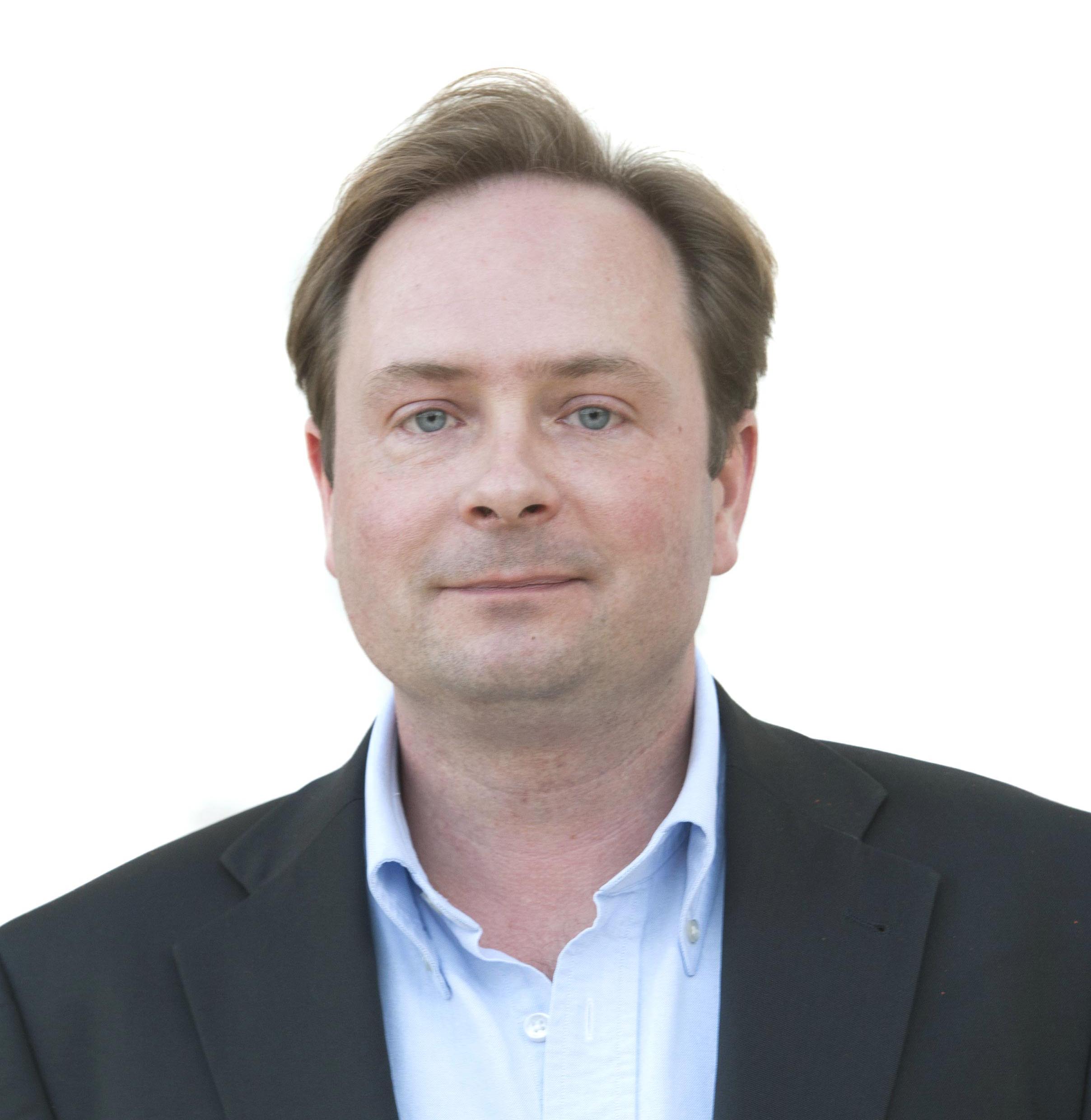
Professor Kamil R Kranc
Director of the Centre for In Vivo Modelling & Group Leader
Haemato-Oncology Group
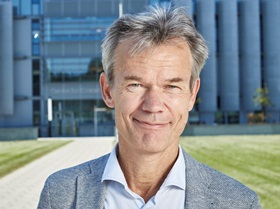
Professor Kristian Helin
Group Leader
Epigenetics and Cancer
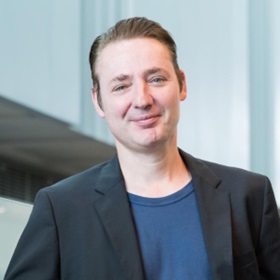
Professor Axel Behrens
Group Leader
Cancer Stem Cell
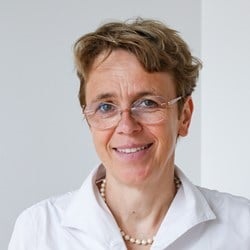
Professor Cathrin Brisken
Group Leader
Endocrine Control Mechanisms
Professor Louis Chesler
Clinical Senior Lecturer/Group Leader
Paediatric Solid Tumour Biology and Therapeutics
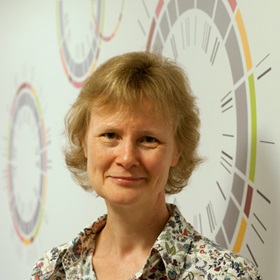
Dr Amanda Swain
Group Leader
Development and Cancer
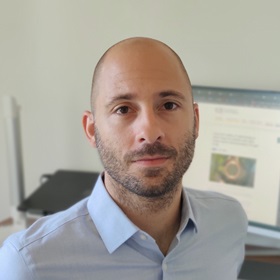
Dr Marco Bezzi
Group Leader
Tumour Functional Heterogeneity
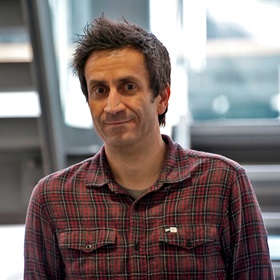
Professor Chris Jones
Head of Division
Glioma

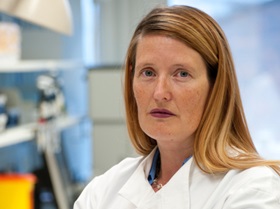
Dr Olivia Rossanese
Director of the Centre for Cancer Drug Discovery & Head of Division
Tumour Microenvironment and Pharmacology Target Evaluation and Molecular Therapeutics
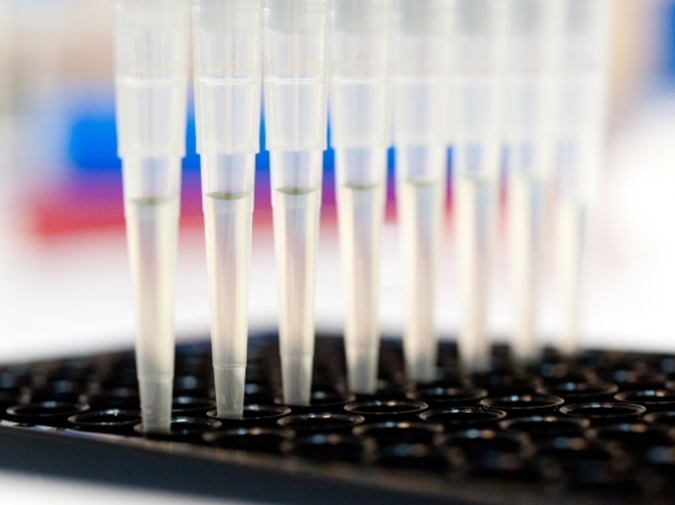
In Vivo Modelling core
We provide cutting-edge expertise in advanced mouse genetics and humanized mouse models of cancer.CIVM Service Core
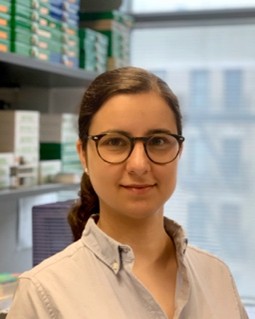
Dr Francisca Nunes de Almeida
Staff Scientist
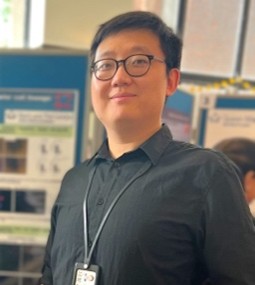
Dr Chenxin Liu
Technician
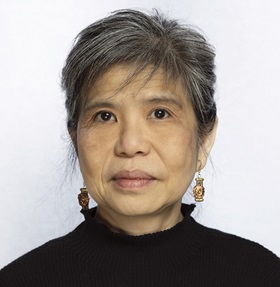
Dr Kallayanee Chawengsaksophak
Senior Staff Scientist
Other staff:
Email: [email protected]
Driving discovery through collaboration
At CIVM, our collaborative spirit drives our mission to advance cancer cures. We actively partner with basic science, translational, and clinical research groups across the ICR and The Royal Marsden. Our collaborations also extend beyond, working closely with distinguished academic teams at the Universities of Oxford, Cambridge, Edinburgh, Cardiff, London, Glasgow, and the Francis Crick Institute.
News from the Centre
We are recruiting a Group Leader in In Vivo Cancer Modelling. We welcome applications at both the Career Development Faculty and Career Faculty levels. Competitive start up package is available. For further particulars please contact [email protected].
Current vacancies
Group Leader in Cancer Stem Cell Biology
Key Requirements As part of your online application you will be required to upload your full CV which will pre-populate your application form, you will also be asked to attach the following documents and failure to do so will mean your application cannot be considered on this occasion: Lists of major publications, achievements, research grants, distinctions. Research plan (five to six pages outlining your current research interests and research programme for the next 5 years) A PDF of a maximum of five key publications, or other research outputs (e.g. patents) that best demonstrate previous productivity You must also complete the personal statement section of the application form in the format of a covering letter including the names and contact details of three academic referees Department/Directorate Information: Cancer Biology Information The Institute of Cancer Research (ICR) in London seeks to appoint a Group Leader in Cancer Stem Cell Biology to play a pivotal role in advancing our cutting-edge cancer research. The position will be based in newly-refurbished laboratory and office space at our Sutton campus within the Division of Cancer Biology. We welcome applications at both the Career Development Faculty and Career Faculty levels. The ICR is one of the world’s most influential cancer research institutions, with an outstanding track record of achievement dating back more than 100 years. In addition to being one of the UK’s leading higher education institutions for research quality and impact, the ICR is consistently ranked among the world’s most successful for industry collaboration. As a member institution of the University of London, we also provide postgraduate higher education of international distinction. One of the ICR’s key research strategies is to defeat cancer by viewing it as a dynamic ecosystem. We aim to solidify our expertise in the biology of cancer stem cells. The postholder will significantly contribute to understanding the underlying biology of cancer stem cells and how this may be exploited to address key questions in tumour relapse, disease progression and metastasis. The successful candidate will have a compelling research programme focused on cancer stem cell biology in an area which complements existing disease-specific expertise at the ICR / Royal Marsden NHS trust. Possible areas of research include (but are not restricted to) basic mechanisms of self-renewal and pluripotency, regulation of cancer stem cell fate / differentiation, how they remodel the tumour microenvironment into a supportive niche, targeting treatment resistance of cancer stem cells, and the role of CSCs in driving the metastatic cascade. Applicants must have an internationally recognised track record of leading research in cancer stem cell biology, demonstrated by high-quality publications and significant funding success. For more junior candidates, an outstanding postdoctoral track record in cancer research, coupled with a compelling research vision in a strategic area of cancer stem cell biology and clear potential to secure competitive external funding, is essential. If you would like to informally discuss this position, please contact Professor Chris Jones ([email protected]), Head of the Division of Cancer Biology at the ICR.
Postdoctoral Training Fellow in Hypoxia and Leukaemia Biology
Under the guidance of Professor Kamil Kranc, we are seeking to recruit a Postdoctoral Training Fellow to pursue therapeutic targeting of the cellular oxygen-sensing system in order to eliminate leukaemic stem cells in acute myeloid leukaemia (AML) and develop effective treatments for this devastating disease. We have identified inhibition of hypoxia-inducible factor (HIF) hydroxylases (PHDs) as a promising non-toxic strategy to target leukaemic stem cells by modulating HIF signalling (Lawson/Holt-Martyn et al., Nature Cancer, 2024; Vukovic et al., Journal of Experimental Medicine, 2015; Vukovic et al., Blood, 2016). The postholder will investigate how inactivation of PHDs and related enzymes impacts AML biology, identify AML subtypes sensitive to these interventions, evaluate novel small-molecule inhibitors in vivo, and discover synthetic lethal vulnerabilities and resistance mechanisms to inform optimal combination strategies and overcome therapeutic resistance. About you The successful candidate must have: PhD in hypoxia biology, biochemistry, cell biology, molecular biology, stem cell biology, oncology or chemical biology. Significant experience in hypoxia biology/biochemistry, stem cell biology, and cancer research. Previous postdoctoral experience in hypoxia and/or leukaemia biology. Candidates who are nearing completion of their PhD may apply, but confirmation on awarded PhD is required within 6 months of employment. The ICR has a workforce agreement stating that Postdoctoral Training Fellows can only be employed for up to 7 years as PDTF at the ICR, providing total postdoctoral experience (including previous employment at this level elsewhere) does not exceed 7 years. For general information on Postdocs at The ICR, more information can be found here. Department/Directorate Information: The Haemato-Oncology Group specialises in understanding and targeting leukaemic stem cells, which are responsible for AML initiation, disease progression, relapse, and resistance to conventional therapies. Our group focuses on discovering cures for acute myeloid leukaemia with an aim to identify novel therapeutic targets for selective elimination of LSCs, without disrupting normal haematopoiesis. What we offer A dynamic and supportive research environment Access to state-of-the-art facilities and professional development opportunities Collaboration with leading researchers in the field Competitive salary and pension We encourage all applicants to access the job pack attached for more detailed information regarding this role. For an informal discussion regarding the role, please contact Professor Kamil Kranc via email [email protected]
Postdoctoral Training Fellow in RNA and Leukaemia Biology
Under the guidance of Professor Kamil Kranc, we are seeking to recruit a Postdoctoral Training Fellow to work on therapeutic targeting of RNA modifications in acute myeloid leukaemia (AML). The successful candidate will investigate strategies to eliminate leukaemic stem cells and play a central role in developing curative treatments for this aggressive disease. Our recent work has demonstrated that inactivation of readers of the m6A mRNA modification represents a promising, non-toxic strategy for targeting leukaemic stem cells in AML (Paris et al., Cell Stem Cell, 2019; Mapperley et al., Journal of Experimental Medicine, 2021; Turner et al., eLife, 2022). Building on these findings, the postholder will explore the impact of disrupting the YTHDF family of m6A readers on AML biology, identify disease subtypes most responsive to this approach, test novel small-molecule inhibitors in vivo, and uncover synthetic lethal interactions and resistance mechanisms to guide rational combination therapies. About you The successful candidate must have: PhD in biochemistry, RNA biology, cell biology, molecular biology, stem cell biology, oncology or similar. Excellent verbal and written communication skills. Essential for communicating research, training others and drafting of reports or publications. Significant experience in RNA biology, stem cell biology, and cancer research. An excellent publication record with a track record of research excellence. Candidates who are nearing completion of their PhD may apply, but confirmation on awarded PhD is required within 6 months of employment. The ICR has a workforce agreement stating that Postdoctoral Training Fellows can only be employed for up to 7 years as PDTF at the ICR, providing total postdoctoral experience (including previous employment at this level elsewhere) does not exceed 7 years. For general information on Postdocs at The ICR, more information can be found here. Department/Directorate Information The Haemato-Oncology Group specialises in understanding and targeting leukaemic stem cells, which are responsible for AML initiation, disease progression, relapse, and resistance to conventional therapies. Our group focuses on discovering cures for acute myeloid leukaemia with an aim to identify novel therapeutic targets for selective elimination of LSCs, without disrupting normal haematopoiesis. What we offer A dynamic and supportive research environment Access to state-of-the-art facilities and professional development opportunities Collaboration with leading researchers in the field Competitive salary and pension We encourage all applicants to access the job pack attached for more detailed information regarding this role. For an informal discussion regarding the role, please contact Professor Kamil Kranc via email on [email protected]