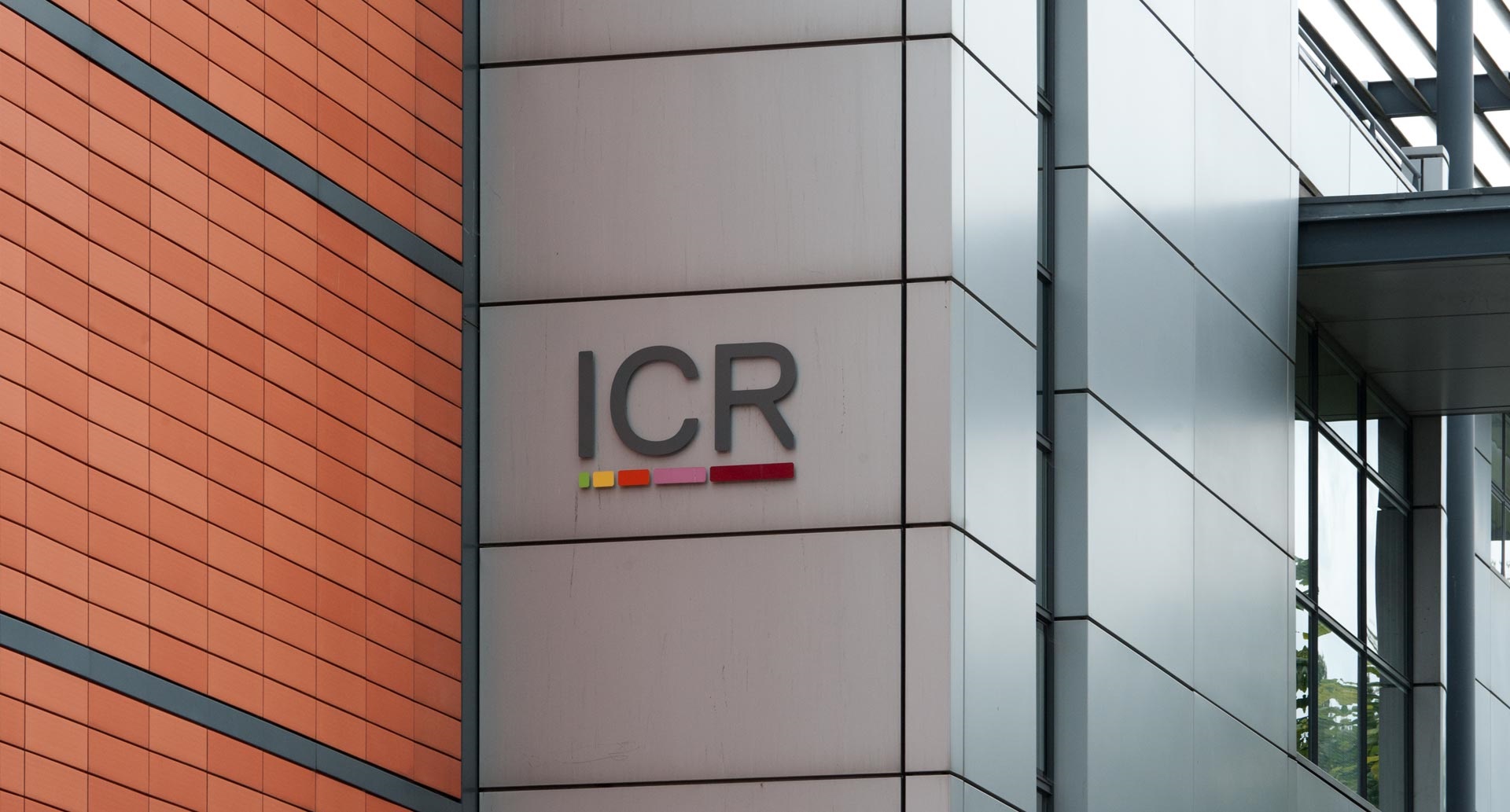



Close-up of an the ICR logo on a research centre

Centre for In Vivo Modelling

The Centre for In Vivo Modelling is a newly established research centre within the Division of Cancer Biology at the ICR. Our scientists and clinical researchers use state-of-the-art in vivo models to address fundamental questions in cancer biology, with the ultimate aim of identifying curative treatments. We also serve as a collaborative hub across the ICR and The Royal Marsden, providing cutting-edge expertise in advanced mouse genetics and humanised in vivo models of cancer.

Professor Kamil R Kranc, Chair of Haemato-Oncology, serves as the Centre's Director, while Fabiana Muzzonigro is the Centre Administrator.


How we conduct research at this centre

Solid tumours and blood cancers are highly complex ecosystems, with many composed of varying cell types including rare cancer stem cells at the apex of a hierarchical organisation, more differentiated malignant progeny, and a dynamic microenvironment that nurtures tumour growth and survival. At our Centre, we seek to elucidate the fundamental principles that govern this malignant ecosystem. We employ advanced mouse genetics (including barcoding and lineage tracing) and PDX models to dissect how tumour cells function, evolve under selective pressures, evade therapy, and engage with their microenvironment to sustain disease progression. By decoding these intricate cellular and molecular interactions, we aim to identify transformative therapeutic strategies capable of eradicating cancer at its origin - achieving durable remission while preserving normal tissue integrity.

A particular strength of our Centre lies in the generation and application of in vivo models, which are essential for uncovering novel aspects of cancer biology and evaluating emerging therapies. We work in close collaboration with ICR researchers and clinicians at The Royal Marsden to develop patient-derived xenograft (PDX) models of leukaemias and solid tumours by transplanting human cancer tissue into immunocompromised mice. In parallel, we generate and utilise genetically engineered mouse models (GEMMs) to interrogate cancer biology in a physiologically relevant context. By leveraging these sophisticated in vivo systems, the Centre aims to:

  • Uncover new facets of cancer biology in a complex in vivo ecosystem
  • Discover and validate novel therapeutic targets allowing for elimination of cancer stem cells and their malignant progeny in blood cancers and solid tumours
  • Collaborate closely with drug discovery teams at the ICR to develop inhibitors of these targets
  • Evaluate new anti-cancer drugs in pre-clinical in vivo models, paving the way for clinical trials.

In addition to our academic focus, CIVM serves as a collaborative hub across the ICR and The Royal Marsden, providing the ICR community with cutting-edge expertise in advanced mouse genetics and humanised mouse models of cancer.

Join us

We are recruiting two exceptional Group Leaders to join the Division of Cancer Biology and the Centre for In Vivo Modelling (CIVM). This is a unique opportunity to shape the future of cancer biology research, lead innovative programmes, and make discoveries that transform patient outcomes.

These new Group Leaders will investigate fundamental mechanisms of tumour initiation, progression, and treatment resistance, and develop cutting-edge preclinical models to advance understanding of cancer biology. Working in close collaboration across the ICR and The Royal Marsden Hospital, the postholders will translate discovery science into new therapeutic opportunities, contributing to the ICR’s mission to make the discoveries that defeat cancer.

Find out more about the vacancies

Members of this Centre

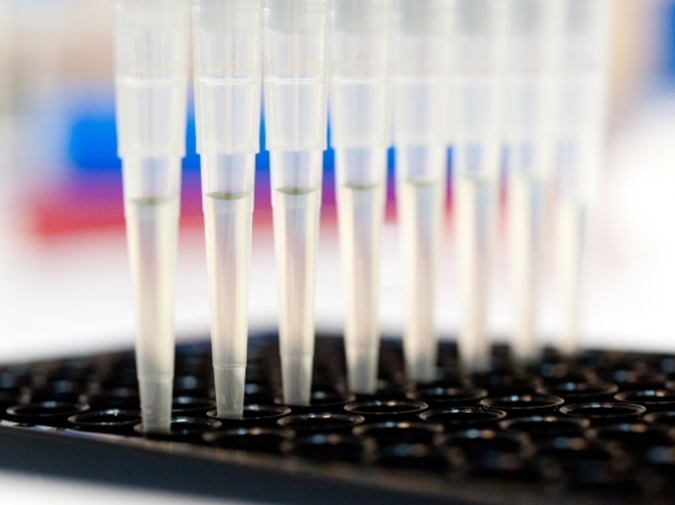
Pipettes and well plates

In Vivo Modelling core

We provide cutting-edge expertise in advanced mouse genetics and humanized mouse models of cancer.

CIVM Service Core

Other staff:

Driving discovery through collaboration 

At CIVM, our collaborative spirit drives our mission to advance cancer cures. We actively partner with basic science, translational, and clinical research groups across the ICR and The Royal Marsden. Our collaborations also extend beyond, working closely with distinguished academic teams at the Universities of Oxford, Cambridge, Edinburgh, Cardiff, London, Glasgow, and the Francis Crick Institute.


News from the Centre

We are recruiting a Group Leader in In Vivo Cancer Modelling. We welcome applications at both the Career Development Faculty and Career Faculty levels. Competitive start up package is available. For further particulars please contact [email protected].


Current vacancies

Group Leader in In Vivo Cancer Modelling

  • Sutton
  • Cancer Biology
  • From £66,092 per annum
  • Fixed term

The Institute of Cancer Research (ICR) in London seeks to appoint a Group Leader in In Vivo Cancer Modelling to play a pivotal role in advancing our cutting-edge cancer research. The position is based at the newly established Centre for In Vivo Modelling (CIVM), part of the Division of Cancer Biology. We welcome applications at both the Career Development Faculty and Career Faculty levels. Key Requirements The successful candidate will generate and employ state-of-the-art genetic and humanised mouse models of cancer to tackle fundamental and translational questions in haemato-oncology and/or solid tumour oncology. In addition to leading a successful research group, they will expand the CIVM's research capabilities and foster productive collaborations with other groups and centres at the ICR, thus promoting in vivo modelling by integrating it into multidisciplinary projects and initiatives. Applicants must have an internationally recognised track record of leading research in in vivo modelling and advanced mouse genetics, demonstrated by high-quality publications and significant funding success. For more junior candidates, an outstanding track record in cancer research, coupled with a compelling research vision leveraging advanced genetic mouse models and clear potential to secure competitive external funding, is essential. As part of your online application you will be required to upload your full CV which will pre-populate your application form, you will also be asked to attach the following documents and failure to do so will mean your application cannot be considered on this occasion: Lists of major publications, achievements, research grants, distinctions. Research plan (five to six pages outlining your current research interests and research programme for the next 5 years) A PDF of a maximum of five key publications, or other research outputs (e.g. patents) that best demonstrate previous productivity You must also complete the personal statement section of the application form in the format of a covering letter including the names and contact details of three academic referees Department/Directorate Information: The ICR is one of the world’s most influential cancer research institutions, with an outstanding track record of achievement dating back more than 100 years. In addition to being one of the UK’s leading higher education institutions for research quality and impact, the ICR is consistently ranked among the world’s most successful for industry collaboration. As a member institution of the University of London, we also provide postgraduate higher education of international distinction. One of the ICR’s key research strategies is to defeat cancer by viewing it as a dynamic ecosystem. We aim to solidify our expertise in state-of-the-art in vivo cancer models to probe these complex cancer ecosystems, discover their underlying biology, and identify new therapeutic targets. The postholder will significantly contribute to driving these strategic priorities. We encourage all applicants to access the job pack attached for more detailed information regarding this role. If you would like to informally discuss this position, please contact Professor Kamil R. Kranc ([email protected]), Director of the Centre for In Vivo Modelling, or Professor Chris Jones ([email protected]), Head of the Division of Cancer Biology at the ICR.

Group Leader in Cancer Stem Cell Biology

  • Sutton
  • Cancer Biology
  • Competitive
  • Permanent

Key Requirements As part of your online application you will be required to upload your full CV which will pre-populate your application form, you will also be asked to attach the following documents and failure to do so will mean your application cannot be considered on this occasion: Lists of major publications, achievements, research grants, distinctions. Research plan (five to six pages outlining your current research interests and research programme for the next 5 years) A PDF of a maximum of five key publications, or other research outputs (e.g. patents) that best demonstrate previous productivity You must also complete the personal statement section of the application form in the format of a covering letter including the names and contact details of three academic referees Department/Directorate Information: The Institute of Cancer Research (ICR) in London seeks to appoint a Group Leader in Cancer Stem Cell Biology to play a pivotal role in advancing our cutting-edge cancer research. The position will be based in newly-refurbished laboratory and office space at our Sutton campus within the Division of Cancer Biology. We welcome applications at both the Career Development Faculty and Career Faculty levels. The ICR is one of the world’s most influential cancer research institutions, with an outstanding track record of achievement dating back more than 100 years. In addition to being one of the UK’s leading higher education institutions for research quality and impact, the ICR is consistently ranked among the world’s most successful for industry collaboration. As a member institution of the University of London, we also provide postgraduate higher education of international distinction. One of the ICR’s key research strategies is to defeat cancer by viewing it as a dynamic ecosystem. We aim to solidify our expertise in the biology of cancer stem cellsaq. The postholder will significantly contribute to understanding the underlying biology of cancer stem cells and how this may be exploited to address key questions in tumour relapse, disease progression and metastasis. The successful candidate will have a compelling research programme focused on cancer stem cell biology in an area which complements existing disease-specific expertise at the ICR / Royal Marsden NHS trust. Possible areas of research include (but are not restricted to) basic mechanisms of self-renewal and pluripotency, regulation of cancer stem cell fate / differentiation, how they remodel the tumour microenvironment into a supportive niche, targeting treatment resistance of cancer stem cells, and the role of CSCs in driving the metastatic cascade. Applicants must have an internationally recognised track record of leading research in cancer stem cell biology, demonstrated by high-quality publications and significant funding success. For more junior candidates, an outstanding postdoctoral track record in cancer research, coupled with a compelling research vision in a strategic area of cancer stem cell biology and clear potential to secure competitive external funding, is essential. If you would like to informally discuss this position, please contact Professor Chris Jones ([email protected]), Head of the Division of Cancer Biology at the ICR.

News from the ICR

14/11/25

In a major step forward for cancer drug discovery, researchers have demonstrated how computational simulations can unravel the complex role of water molecules in drug binding, potentially saving years of trial and error in the lab.

The study focuses on B-cell lymphoma 6 (BCL6), a protein implicated in several cancers. Using advanced computational techniques, the team showed how subtle changes in drug molecules can disrupt or stabilise water networks in the protein’s binding site, dramatically affecting drug potency.

This method could be used by researchers worldwide to actively guide the design of new drugs, improving both their potency and their selectivity. In the longer term, this could increase the availability of effective cancer medications that are kinder on the body.

The study was led by researchers at The Institute of Cancer Research, London, and the findings were published in the Journal of Chemical Information and Modeling. The Medical Research Council provided funding in the form of a grant, which was partly supported by AstraZeneca.

The importance of water molecules

Water molecules, often overlooked in drug design, play a critical role in how drugs interact with their targets. In protein binding sites, these molecules can form intricate hydrogen-bonded networks that influence the orientation, stability and effectiveness of drug compounds. Displacing a single water molecule can either enhance or weaken a drug’s binding affinity – an effect that it is difficult to predict experimentally.

“Water networks are like invisible scaffolding,” said first author Daniella Hares, a PhD student in the Division of Cancer Therapeutics at The Institute of Cancer Research (ICR). “They hold everything together, and if you remove one piece, the whole structure can shift. Our simulations help us see how that scaffolding behaves when we tweak a drug molecule.”

To explore this, the researchers used two powerful computational methods – Grand Canonical Monte Carlo (GCMC) simulations and alchemical free energy calculations – that model how water molecules behave and how changes in drug structure affect binding energy.

They focused on four BCL6 inhibitors developed in earlier ICR-led research, each of which was designed to grow into a water-filled subpocket of the protein. These compounds sequentially displaced up to three water molecules, resulting in a 50-fold increase in potency. The researchers wanted to understand why.

Achieving a more nuanced picture

Using GCMC, the team simulated how water molecules occupied the subpocket in the presence of each compound. Impressively, the simulations reproduced 94 per cent of the water sites observed in crystal structures, even when starting from different protein conformations. This suggests that GCMC could be a reliable tool early in drug development, before experimental data are available.

The first compound, known as compound 1, formed a stable network of five water molecules. When a small ethylamine group was added to create compound 2, one water molecule was displaced. Surprisingly, this only led to a modest two-fold increase in potency. Looking at the simulations, the team realised that although the new group formed additional interactions with the protein, it also destabilised the remaining water network, negating the benefits.

Compound 3 introduced a larger pyrimidine ring, displacing a second water molecule. This time, the potency jumped more than 10-fold. The simulations showed that the pyrimidine not only replaced the lost water interactions but also stabilised the remaining network by forming new hydrogen bonds. This stabilisation contributed significantly to the potency gain.

Finally, compound 4 added a second methyl group, displacing a third water molecule. Despite predictions that this would be unfavourable, the compound showed a further two-fold increase in potency. The simulations suggested that while the water network was destabilised, the methyl group helped prearrange the molecule into the ideal protein-binding conformation – offsetting the loss.

The scientists analysed each transformation using a combination of GCMC and alchemical calculations to dissect the contributions from water displacement and new protein interactions. The cycles showed excellent consistency, indicating reliable and converged simulations.

The study also compared GCMC with faster solvent analysis methods, such as SZMAP and 3D-RISM. The team found that GCMC provided a more nuanced picture, with the other techniques often failing to capture the cooperative effects between water molecules.

Promoting wider adoption

Looking ahead, the researchers plan to apply their methods to other drug targets with complex water networks. They believe that integrating GCMC into standard drug design workflows could lead to faster, more efficient development of cancer therapies.

The team also hopes the work will encourage more researchers to use GCMC in their pharmaceutical research projects. Despite its power, the method remains underused – due in part to both lack of awareness and limited availability in commercial software. However, the computational cost is very manageable, with GCMC simulations running overnight and alchemical calculations completing in a few days.

To support broader use, the authors have made their simulation scripts and data publicly available on GitHub.

“The implications for drug discovery are significant”

Senior author Professor Swen Hoelder, Group Leader of the Medicinal Chemistry 4 Group (including Analytical Chemistry) at the ICR, said:

“This approach accounts for how water molecules interact with each other, not just with the protein or drug. That’s crucial when dealing with complex networks.

“The implications for drug discovery are significant. Traditionally, optimising a drug to interact with water networks requires multiple rounds of synthesis and testing – a process that can take years. By using GCMC and alchemical calculations, we can predict which modifications are likely to succeed before entering the lab.”

First author Hares said: “Our work has demonstrated that managing water molecule interactions is very much a balancing act. You gain some interactions, but you lose others. By quantifying that trade-off, our methods could save enormous time and resources in drug discovery. Instead of guessing, we can design smarter from the start.

“Most excitingly, because water molecules are so important to how proteins function, this approach could be useful for any drug that targets a protein, meaning it could transform the treatment landscape across cancer types.”

Image credit: cromaconceptovisual from Pixabay