



Close-up of an the ICR logo on a research centre

Centre for In Vivo Modelling

The Centre for In Vivo Modelling is a newly established research centre within the Division of Cancer Biology at the ICR. Our scientists and clinical researchers use state-of-the-art in vivo models to address fundamental questions in cancer biology, with the ultimate aim of identifying curative treatments. We also serve as a collaborative hub across the ICR and The Royal Marsden, providing cutting-edge expertise in advanced mouse genetics and humanised in vivo models of cancer.

Professor Kamil R Kranc, Chair of Haemato-Oncology, serves as the Centre's Director, while Fabiana Muzzonigro is the Centre Administrator.


How we conduct research at this centre

Solid tumours and blood cancers are highly complex ecosystems, with many composed of varying cell types including rare cancer stem cells at the apex of a hierarchical organisation, more differentiated malignant progeny, and a dynamic microenvironment that nurtures tumour growth and survival. At our Centre, we seek to elucidate the fundamental principles that govern this malignant ecosystem. We employ advanced mouse genetics (including barcoding and lineage tracing) and PDX models to dissect how tumour cells function, evolve under selective pressures, evade therapy, and engage with their microenvironment to sustain disease progression. By decoding these intricate cellular and molecular interactions, we aim to identify transformative therapeutic strategies capable of eradicating cancer at its origin - achieving durable remission while preserving normal tissue integrity.

A particular strength of our Centre lies in the generation and application of in vivo models, which are essential for uncovering novel aspects of cancer biology and evaluating emerging therapies. We work in close collaboration with ICR researchers and clinicians at The Royal Marsden to develop patient-derived xenograft (PDX) models of leukaemias and solid tumours by transplanting human cancer tissue into immunocompromised mice. In parallel, we generate and utilise genetically engineered mouse models (GEMMs) to interrogate cancer biology in a physiologically relevant context. By leveraging these sophisticated in vivo systems, the Centre aims to:

  • Uncover new facets of cancer biology in a complex in vivo ecosystem
  • Discover and validate novel therapeutic targets allowing for elimination of cancer stem cells and their malignant progeny in blood cancers and solid tumours
  • Collaborate closely with drug discovery teams at the ICR to develop inhibitors of these targets
  • Evaluate new anti-cancer drugs in pre-clinical in vivo models, paving the way for clinical trials.

In addition to our academic focus, CIVM serves as a collaborative hub across the ICR and The Royal Marsden, providing the ICR community with cutting-edge expertise in advanced mouse genetics and humanised mouse models of cancer.

Members of this Centre

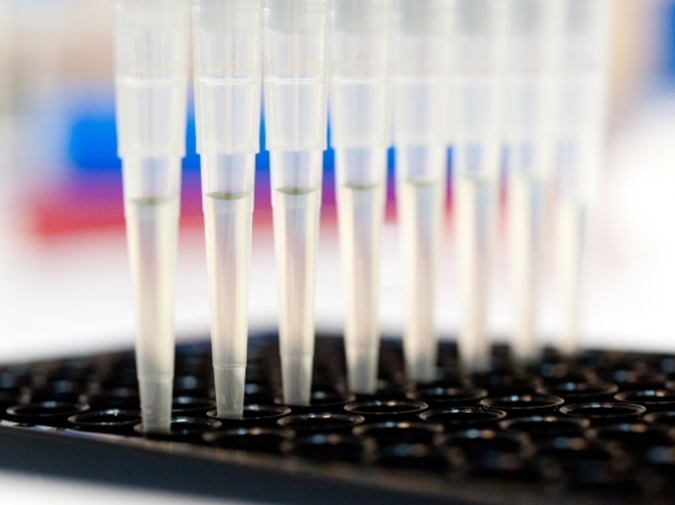
Pipettes and well plates

In Vivo Modelling core

We provide cutting-edge expertise in advanced mouse genetics and humanized mouse models of cancer.

CIVM Service Core

Other staff:

Driving discovery through collaboration 

At CIVM, our collaborative spirit drives our mission to advance cancer cures. We actively partner with basic science, translational, and clinical research groups across the ICR and The Royal Marsden. Our collaborations also extend beyond, working closely with distinguished academic teams at the Universities of Oxford, Cambridge, Edinburgh, Cardiff, London, Glasgow, and the Francis Crick Institute.


News from the Centre

We are recruiting a Group Leader in In Vivo Cancer Modelling. We welcome applications at both the Career Development Faculty and Career Faculty levels. Competitive start up package is available. For further particulars please contact [email protected].


Current vacancies

Group Leader in In Vivo Cancer Modelling

  • Sutton
  • Cancer Biology
  • From £66,092 per annum
  • Fixed term

The Institute of Cancer Research (ICR) in London seeks to appoint a Group Leader in In Vivo Cancer Modelling to play a pivotal role in advancing our cutting-edge cancer research. The position is based at the newly established Centre for In Vivo Modelling (CIVM), part of the Division of Cancer Biology. We welcome applications at both the Career Development Faculty and Career Faculty levels. Key Requirements The successful candidate will generate and employ state-of-the-art genetic and humanised mouse models of cancer to tackle fundamental and translational questions in haemato-oncology and/or solid tumour oncology. In addition to leading a successful research group, they will expand the CIVM's research capabilities and foster productive collaborations with other groups and centres at the ICR, thus promoting in vivo modelling by integrating it into multidisciplinary projects and initiatives. Applicants must have an internationally recognised track record of leading research in in vivo modelling and advanced mouse genetics, demonstrated by high-quality publications and significant funding success. For more junior candidates, an outstanding track record in cancer research, coupled with a compelling research vision leveraging advanced genetic mouse models and clear potential to secure competitive external funding, is essential. As part of your online application you will be required to upload your full CV which will pre-populate your application form, you will also be asked to attach the following documents and failure to do so will mean your application cannot be considered on this occasion: Lists of major publications, achievements, research grants, distinctions. Research plan (five to six pages outlining your current research interests and research programme for the next 5 years) A PDF of a maximum of five key publications, or other research outputs (e.g. patents) that best demonstrate previous productivity You must also complete the personal statement section of the application form in the format of a covering letter including the names and contact details of three academic referees Department/Directorate Information: The ICR is one of the world’s most influential cancer research institutions, with an outstanding track record of achievement dating back more than 100 years. In addition to being one of the UK’s leading higher education institutions for research quality and impact, the ICR is consistently ranked among the world’s most successful for industry collaboration. As a member institution of the University of London, we also provide postgraduate higher education of international distinction. One of the ICR’s key research strategies is to defeat cancer by viewing it as a dynamic ecosystem. We aim to solidify our expertise in state-of-the-art in vivo cancer models to probe these complex cancer ecosystems, discover their underlying biology, and identify new therapeutic targets. The postholder will significantly contribute to driving these strategic priorities. We encourage all applicants to access the job pack attached for more detailed information regarding this role. If you would like to informally discuss this position, please contact Professor Kamil R. Kranc ([email protected]), Director of the Centre for In Vivo Modelling, or Professor Chris Jones ([email protected]), Head of the Division of Cancer Biology at the ICR.

News from the ICR

11/12/25

A new type of blood test can accurately identify different types of breast cancer – meaning patients can be matched to the correct treatment without the need for a biopsy.

Researchers have shown that the blood test, called Breast Circulating Methylation Assay (BCMA), can track a cancer’s type over time and pick up if it has changed – meaning that treatment can be quickly adapted.

Treating specific cancer types

There are many different types of breast cancer – for example, oestrogen receptor positive, human epidermal growth factor receptor 2 positive (ER+/HER2+) breast cancer, which accounts for 1 in 10 cases.

Each type requires specific treatment, but around 20 per cent of advanced tumours will switch type, causing treatment to stop working.

The researchers – from The Institute of Cancer Research, London – hope their test will ensure patients receive effective treatments sooner, and they believe this technology could be used for other cancers in the future.

Analysing tumour DNA in the blood

The findings, presented at the San Antonio Breast Cancer Symposium, involved analysing blood samples from breast cancer patients in five clinical trials, for circulating tumour DNA (ctDNA) that is released into the bloodstream by cancer cells.

Using machine learning, the scientists, based at the Breast Cancer Now Toby Robins Research Centre at The Institute of Cancer Research (ICR), designed and developed their test to pick up markers on the ctDNA that are specific to each of the main breast cancer types – ER(+ or -), HER2(+ or -) and triple negative breast cancer.

Identifying when cancers switch type

In research funded by Breast Cancer Now, Wellcome Trust, and Cancer Research UK, 191 blood samples from 86 patients were analysed. To check the accuracy of the blood test, the samples were compared with two tissue biopsies that were taken, on average, more than five years apart.

The breast cancer type switched in 19 per cent of these samples, and the BCMA test was almost 90 per cent accurate at identifying this switch.

In 8 per cent of the samples, tissue biopsies showed that the patients’ cancer had switched type – for example, from ER+/HER2- to triple negative breast cancer (TNBC) – but the blood test showed that both types of breast cancer were present at the same time.

More treatment options for patients

The researchers say this means patients could benefit from drugs specific to both types of breast cancer, expanding treatment options for them. These include aromatase inhibitors to treat ER+ breast cancers, and targeted drugs for TNBC such as sacituzumab govitecan (also known as Trodelvy).

In addition, 29 per cent of tissue samples that were HER2- showed as HER2+ in the blood test – indicating that a greater number of patients may benefit from HER2+ specific therapies than currently receive them.

"Non-invasive blood tests could become the norm"

Dr Nida Pasha, Clinical Research Fellow at The Institute of Cancer Research, London, and first author of the study, said:

“Our test detects unique patterns in the tumour DNA circulating in a patient’s blood to pinpoint the exact breast cancer type. This can guide treatment decisions, so the next stage for this research is to assess the test in prospective clinical trials to see if it improves patients’ outcomes by tailoring their therapy.

“The technology behind this test isn’t limited to breast cancer – it could be applied across many cancer types. I’m excited about a future where non-invasive blood tests like this could become the norm, guiding many more cancer treatment decisions.”

Professor Nicholas Turner, Professor of Molecular Oncology at The Institute of Cancer Research, London, and Consultant Medical Oncologist at The Royal Marsden NHS Foundation Trust, said: 

“Treating breast cancer based on its type is the mainstay of breast cancer management but until now, a tissue biopsy has been required to detect that type, and biopsies are generally only taken at diagnosis. Cancers can adapt and evolve, and if we continue treating it based on its initial form, we are unlikely to succeed.

“Unfortunately, we know that around 20 per cent of advanced breast cancers do switch type, and this is a major source of treatment failure if it isn’t identified.

“Our research is the first to show that it is possible to identify breast cancer’s type from a blood test – meaning that any changes to this type can be tracked easily over time, and treatment can be altered if necessary.

“This proof-of-principle retrospective study lays the foundation for better monitoring of treatment response, and potentially life-extending treatment in patients.”

"Smarter, faster and kinder" cancer care

Professor Kristian Helin, Chief Executive of The Institute of Cancer Research, London, said:

“We have long moved past treating a cancer based simply on its place of origin – breast cancer is a whole family of diseases which all require different treatment strategies. But treatment resistance is one of the biggest problems we want to overcome as cancer researchers. Identifying when a cancer is likely to stop responding to a particular treatment is crucial.

“It is very exciting to see advances in technology that can detect cancer cells and DNA with such precision that a non-invasive blood test can now be used in place of a biopsy. This is a step towards a future of cancer care that is smarter, faster and kinder, and I look forward to seeing the test evaluated in future clinical trials.”

Dr Simon Vincent, chief scientific officer at Breast Cancer Now said:

“With around 11,500 women dying from breast cancer every year in the UK, we desperately need to find better ways to treat the disease.

“This innovative blood test - developed by our researchers - has the potential to transform how we monitor and treat breast cancer, ensuring people receive the most effective therapies as early as possible.

“While we need further research and clinical trials before this test can be used in routine care, these early results are hugely promising. We’re incredibly proud to have funded this work, building a future where painless tests help to quickly choose the best treatments and give people with breast cancer more time to live and live well.”