
Cancer discovery news
Our researchers are making the discoveries that defeat cancer. Read the latest findings from our world-leading research.
Visit our main news hub to read about news on new funding, our fundraising activities and much more. If you want to keep updated on our news, you can follow us on social media or sign up for our Search newsletter.
If you’re a journalist and want to find out more, you can contact our media relations team.
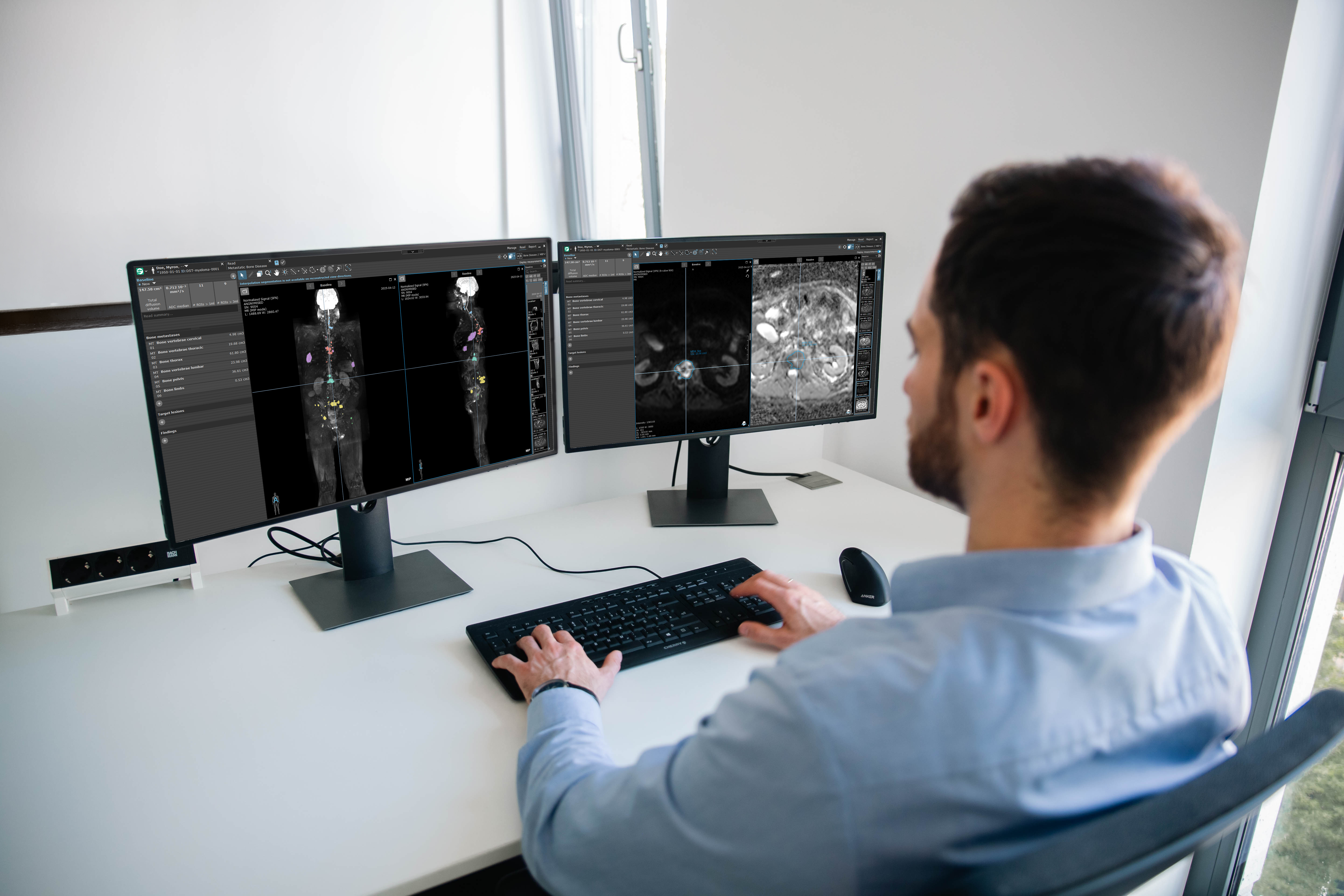
The ICR and The Royal Marsden partner with Mint Medical on roll out of global AI cancer imaging tool
The Institute of Cancer Research, London, and The Royal Marsden NHS Foundation Trust have announced a new licensing agreement with MedTech company Mint Medical, a Snke Company, to improve monitoring for patients with bone disease in advanced prostate cancer and multiple myeloma.

Targeting cancer cell DNA repair mechanism may make radiotherapy more effective
Scientists have uncovered a mechanism that helps cancer cells survive radiation, pointing to a potential new way to make treatment more effective.

ICR welcomes FDA approval of capivasertib for advanced prostate cancer
The Institute of Cancer Research, London, strongly welcomes the news that the targeted drug capivasertib, has been approved by the US Food and Drug Administration (FDA) for treating a type of advanced prostate cancer.
---945x532.jpg?sfvrsn=73000500_2 "radiotherapy IMRT (photo: Jan Chlebik/the ICR) - 945x532")
Thousands of men with prostate cancer will now be offered high-powered radiotherapy on the NHS
Thousands of men with prostate cancer in England will be offered a more precise form of radiotherapy that cuts treatment time by up to 75 per cent, based on the results of a trial led by The Institute of Cancer Research (ICR), London and Royal Marsden NHS Foundation Trust. The therapy is known as SABR or SBRT.

Cancer trials under the microscope: Study finds barriers to inclusion persist in the UK
A new UK-based study is shedding light on a quiet but consequential problem in cancer research: whether some people have less opportunity than others to participate in clinical trials.
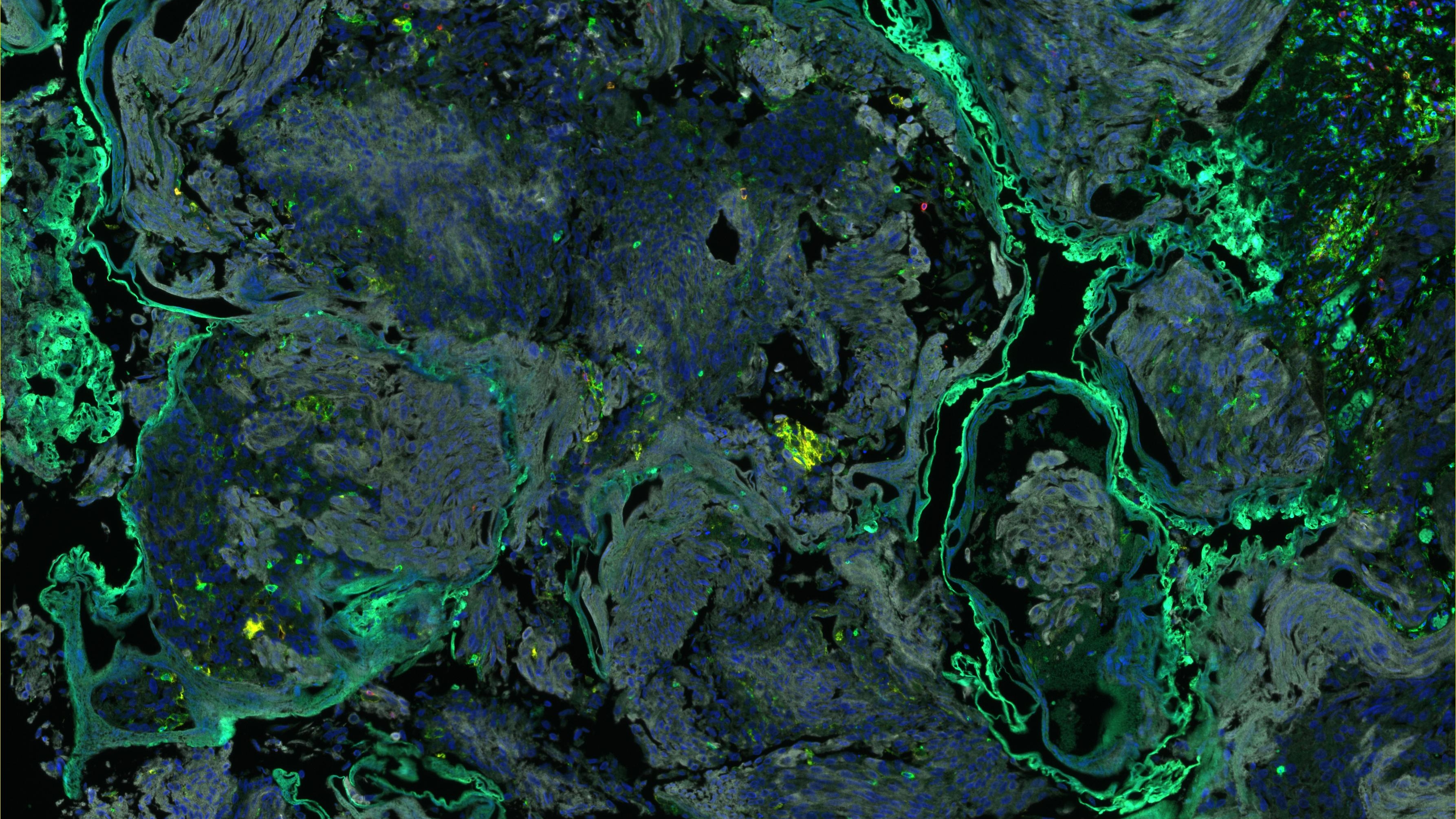
Immunotherapy boost can spare more bladder cancer patients major surgery
An immunotherapy helps bladder cancer patients remain cancer free and enables them to avoid surgery, a phase II trial has found.
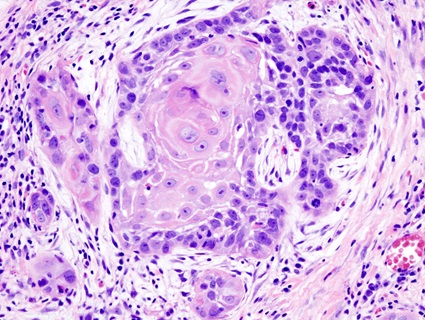
Immunotherapy injection shrinks tumours in patients with recurrent and/or metastatic head and neck cancer
A targeted cancer treatment given via a simple injection under the skin shrank tumours in more than one third of patients with recurrent and/or metastatic head and neck cancer whose disease has stopped responding to standard treatments, according to research led by scientists at The Institute of Cancer Research, London

New targeted therapy shrinks advanced gastrointestinal tumours for 61 per cent of patients in an early study
A new, targeted cancer therapy for advanced gastrointestinal stromal tumours (GIST) has shown promising early results, with 61 per cent of patients who received velzatinib as first-line treatment experiencing tumour shrinkage of 30 per cent or over. The results could pave the way for a larger trial to evaluate this therapy as a first-line alternative to imatinib, which has been the standard treatment for more than two decades.
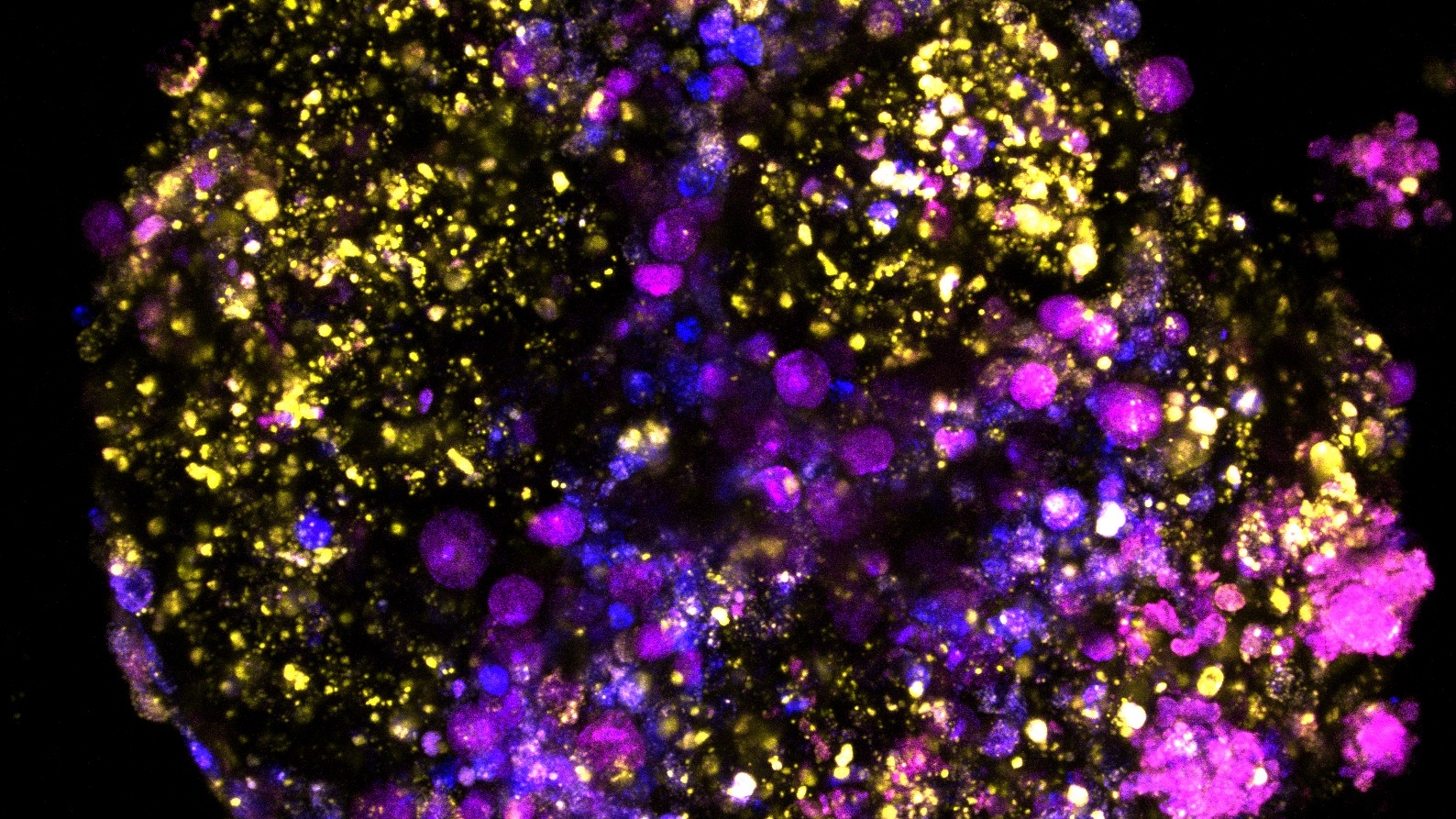
Targeted therapy shows promise for patients with advanced colorectal cancer in a first-in-human study
A targeted antibody therapy combined with standard chemotherapy has shown early signs of tumour shrinkage and disease control in patients with advanced bowel cancer, according to new Phase I clinical trial results from The Institute of Cancer Research, London and The Royal Marsden NHS Foundation Trust.
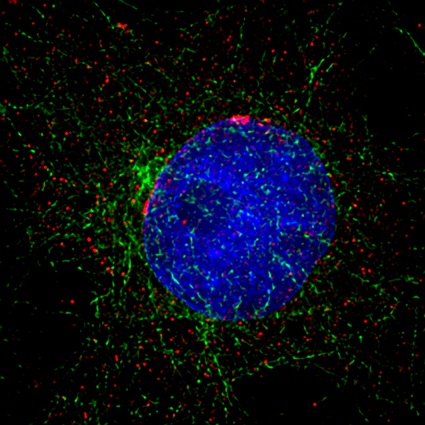
Combination immunotherapy significantly reduces kidney cancer recurrence after surgery
Results from the international Phase III RAMPART trial were presented today at the 2026 American Society of Clinical Oncology (ASCO) Annual Meeting by researchers from The Institute of Cancer Research, London and The Royal Marsden NHS Foundation Trust.
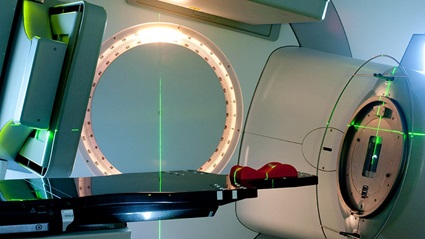
One week radiotherapy course shown to be safe and effective in the long term for early stage breast cancer
A one-week course of post-surgery radiotherapy is just as safe and effective as the traditional three-week course for people with early-stage breast cancer, according to long-term results from a ground-breaking study, led by The Institute of Cancer Research, London
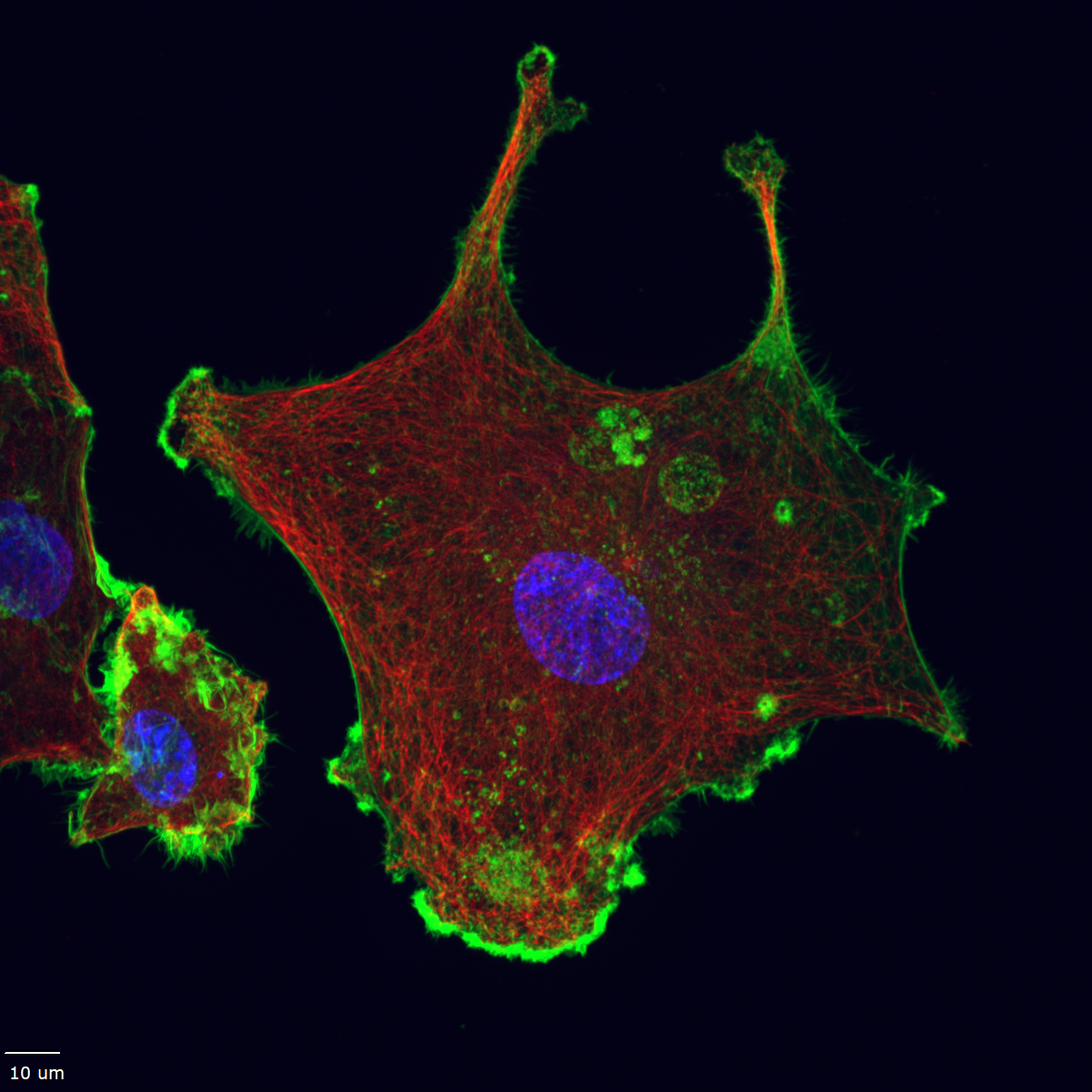
Early scan could help predict breast cancer treatment response
Research led by The Institute of Cancer Research, London and King’s College London suggests that an early scan taken after one cycle of chemotherapy could help to predict how well a patient’s cancer will respond to treatment.