
.jpg?sfvrsn=205a5de0_2)
A new drug for prostate cancer, which delivers a precisely targeted dose of radiation to cancer cells, can keep cancer at bay, a phase I trial reports.
The ‘search and destroy’ treatment shrank tumours or halted their growth in 83 per cent of patients.
The treatment, known as 225Ac-PSMA-Trillium, uses a ‘homing device’ to seek out cancers all around the body by detecting the presence of prostate-specific membrane antigen (PSMA) on the surface of cancer cells. Once in contact, it delivers a radioactive payload to kill them.
The treatment uses an alpha-emitter – a highly potent radioactive substance that releases large amounts of energy over very short distances that are less than that of beta-emitters. This gives it the ability to kill cancer cells while potentially minimising damage to surrounding healthy tissue.
Targets PSMA
The results from the global PanTHa trial, led by Professor Johann de Bono at The Institute of Cancer Research, London and The Royal Marsden NHS Foundation Trust, and sponsored by Bayer, are presented at the American Society of Clinical Oncology (ASCO) Genitourinary Cancers Symposium.
The drug’s target molecule, PSMA, is present at increased levels on the surface of cancer cells in some prostate cancer patients, and it is these men who can benefit from the treatment.
The clinical trial involved 50 participants with PSMA-positive advanced prostate cancer which has spread around the body, and who had previously received multiple other treatments, including hormone therapies.
Almost half of patients saw their cancer shrink
225Ac-PSMA-Trillium was given as an injection every six weeks, for up to four doses. Of the 24 patients whose cancer could be measured on scans, almost half (46 per cent) saw their cancer shrink, and 83 per cent had their disease kept stable.
Prostate-specific antigen (PSA) is another marker of disease that can be elevated if someone has prostate cancer. After treatment with 225Ac-PSMA-Trillium, 83 per cent of patients saw their PSA level halved, and 58 per cent of patients saw their PSA level drop by 90 per cent.
The most common side effect experienced by patients was a dry mouth, but for most patients this was mild. The next stage will be to test 225Ac-PSMA-Trillium in larger clinical trials.
'Guided missile'
Professor Johann de Bono, Regius Professor of Cancer Research at The Institute of Cancer Research, London, and Consultant Medical Oncologist at The Royal Marsden NHS Foundation Trust, and trial lead, said:
“I’m very pleased to see these positive results from this early trial. This next-generation treatment seeks out cancer cells wherever they are in the body and acts as a guided missile – delivering radiation directly to the cancer to destroy it.
“Once prostate cancer stops responding to hormone therapies, treatment options are really limited for patients. If 225Ac-PSMA-Trillium provides benefit to patients in larger trials, the drug could offer fresh hope to patients who urgently need more effective treatments.”
'Smarter, more targeted approach'
Professor Kristian Helin, Chief Executive of The Institute of Cancer Research, London, said:
“Finding new ways to overcome treatment resistance remains a key priority in cancer research, and innovative approaches like this are essential if we are to open up new options for patients with advanced disease. By delivering radiation with high precision, this represents a smarter, more targeted approach, with the potential to improve survival while reducing the risk of side effects.
“At the ICR, together with our partner hospital The Royal Marsden, we are researching, developing and trialling radioisotopes such as this for the use of imaging and treating cancer. We are committed to driving this research forward and to translating discoveries from the laboratory into the clinic, so that patients can live longer, healthier lives.”
'The results have been remarkable'
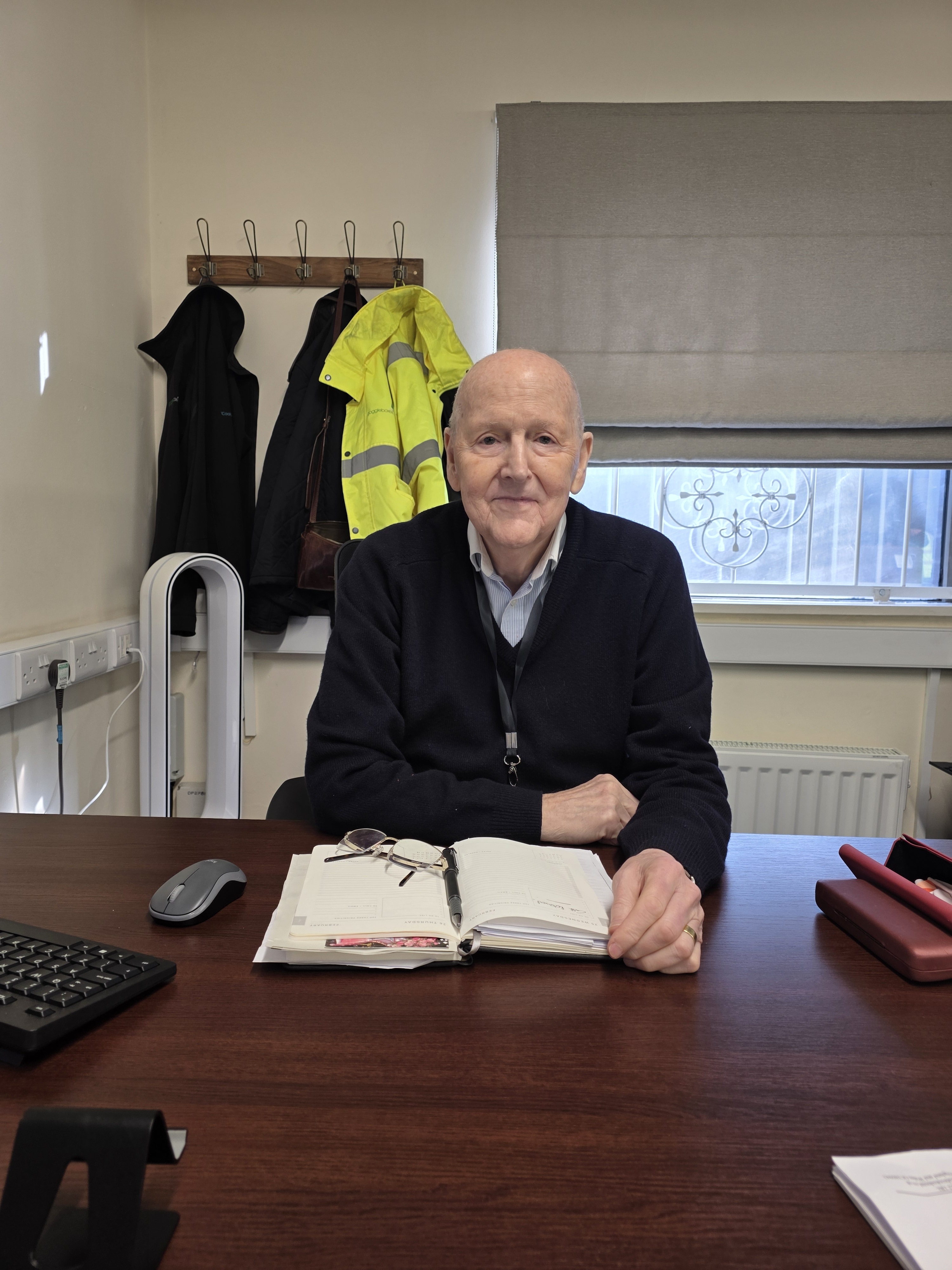
Jim Hilson, 79, from Leicestershire was diagnosed with advance prostate cancer in 2015 and was told he had around five years to live. After running out of treatment options, he joined the PanTHa trial at The Royal Marsden in 2024.
“Since being diagnosed with prostate cancer I’ve had chemotherapy, radiotherapy and hormone treatment, but when the treatment stopped working there were no other standard treatments available.
“I joined the trial and the results have been remarkable. Across three consecutive scans, the cancer has remained stable and the treatment has successfully targeted the cancer in my vertebrae and other bones.
“I still run my own businesses, feel well, and can do everything I want to do, including driving through France and Spain on holiday. If I hadn’t joined the trial, I honestly don’t know where I would be now.”