


Close-up of an the ICR logo on a research centre

Centre for In Vivo Modelling

The Centre for In Vivo Modelling is a newly established research centre within the Division of Cancer Biology at the ICR. Our scientists and clinical researchers use state-of-the-art in vivo models to address fundamental questions in cancer biology, with the ultimate aim of identifying curative treatments. We also serve as a collaborative hub across the ICR and The Royal Marsden, providing cutting-edge expertise in advanced mouse genetics and humanised in vivo models of cancer.

Professor Kamil R Kranc, Chair of Haemato-Oncology, serves as the Centre's Director, while Fabiana Muzzonigro is the Centre Administrator.


How we conduct research at this centre

Solid tumours and blood cancers are highly complex ecosystems, with many composed of varying cell types including rare cancer stem cells at the apex of a hierarchical organisation, more differentiated malignant progeny, and a dynamic microenvironment that nurtures tumour growth and survival. At our Centre, we seek to elucidate the fundamental principles that govern this malignant ecosystem. We employ advanced mouse genetics (including barcoding and lineage tracing) and PDX models to dissect how tumour cells function, evolve under selective pressures, evade therapy, and engage with their microenvironment to sustain disease progression. By decoding these intricate cellular and molecular interactions, we aim to identify transformative therapeutic strategies capable of eradicating cancer at its origin - achieving durable remission while preserving normal tissue integrity.

A particular strength of our Centre lies in the generation and application of in vivo models, which are essential for uncovering novel aspects of cancer biology and evaluating emerging therapies. We work in close collaboration with ICR researchers and clinicians at The Royal Marsden to develop patient-derived xenograft (PDX) models of leukaemias and solid tumours by transplanting human cancer tissue into immunocompromised mice. In parallel, we generate and utilise genetically engineered mouse models (GEMMs) to interrogate cancer biology in a physiologically relevant context. By leveraging these sophisticated in vivo systems, the Centre aims to:

  • Uncover new facets of cancer biology in a complex in vivo ecosystem
  • Discover and validate novel therapeutic targets allowing for elimination of cancer stem cells and their malignant progeny in blood cancers and solid tumours
  • Collaborate closely with drug discovery teams at the ICR to develop inhibitors of these targets
  • Evaluate new anti-cancer drugs in pre-clinical in vivo models, paving the way for clinical trials.

In addition to our academic focus, CIVM serves as a collaborative hub across the ICR and The Royal Marsden, providing the ICR community with cutting-edge expertise in advanced mouse genetics and humanised mouse models of cancer.

Join us

We are recruiting two exceptional Group Leaders to join the Division of Cancer Biology and the Centre for In Vivo Modelling (CIVM). This is a unique opportunity to shape the future of cancer biology research, lead innovative programmes, and make discoveries that transform patient outcomes.

These new Group Leaders will investigate fundamental mechanisms of tumour initiation, progression, and treatment resistance, and develop cutting-edge preclinical models to advance understanding of cancer biology. Working in close collaboration across the ICR and The Royal Marsden Hospital, the postholders will translate discovery science into new therapeutic opportunities, contributing to the ICR’s mission to make the discoveries that defeat cancer.

Find out more about the vacancies

Members of this Centre

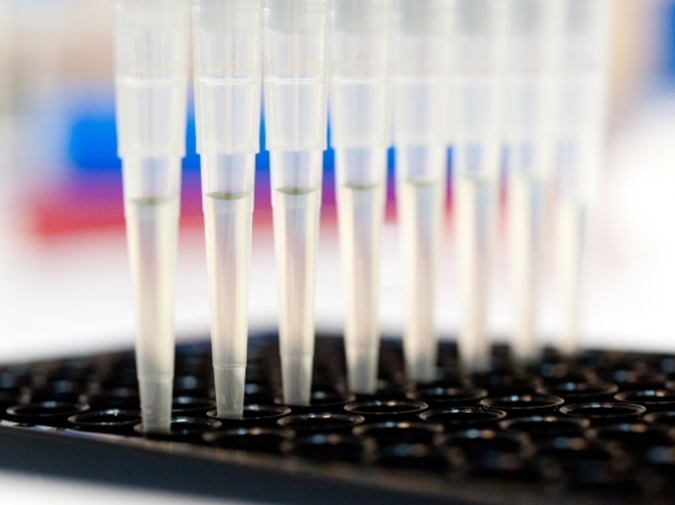
Pipettes and well plates

In Vivo Modelling core

We provide cutting-edge expertise in advanced mouse genetics and humanized mouse models of cancer.

CIVM Service Core

Other staff:

Driving discovery through collaboration 

At CIVM, our collaborative spirit drives our mission to advance cancer cures. We actively partner with basic science, translational, and clinical research groups across the ICR and The Royal Marsden. Our collaborations also extend beyond, working closely with distinguished academic teams at the Universities of Oxford, Cambridge, Edinburgh, Cardiff, London, Glasgow, and the Francis Crick Institute.


News from the Centre

We are recruiting a Group Leader in In Vivo Cancer Modelling. We welcome applications at both the Career Development Faculty and Career Faculty levels. Competitive start up package is available. For further particulars please contact [email protected].


Current vacancies

Group Leader in In Vivo Cancer Modelling

  • Sutton
  • Cancer Biology
  • From £66,092 per annum
  • Fixed term

The Institute of Cancer Research (ICR) in London seeks to appoint a Group Leader in In Vivo Cancer Modelling to play a pivotal role in advancing our cutting-edge cancer research. The position is based at the newly established Centre for In Vivo Modelling (CIVM), part of the Division of Cancer Biology. We welcome applications at both the Career Development Faculty and Career Faculty levels. Key Requirements The successful candidate will generate and employ state-of-the-art genetic and humanised mouse models of cancer to tackle fundamental and translational questions in haemato-oncology and/or solid tumour oncology. In addition to leading a successful research group, they will expand the CIVM's research capabilities and foster productive collaborations with other groups and centres at the ICR, thus promoting in vivo modelling by integrating it into multidisciplinary projects and initiatives. Applicants must have an internationally recognised track record of leading research in in vivo modelling and advanced mouse genetics, demonstrated by high-quality publications and significant funding success. For more junior candidates, an outstanding track record in cancer research, coupled with a compelling research vision leveraging advanced genetic mouse models and clear potential to secure competitive external funding, is essential. As part of your online application you will be required to upload your full CV which will pre-populate your application form, you will also be asked to attach the following documents and failure to do so will mean your application cannot be considered on this occasion: Lists of major publications, achievements, research grants, distinctions. Research plan (five to six pages outlining your current research interests and research programme for the next 5 years) A PDF of a maximum of five key publications, or other research outputs (e.g. patents) that best demonstrate previous productivity You must also complete the personal statement section of the application form in the format of a covering letter including the names and contact details of three academic referees Department/Directorate Information: Cancer Biology Division Information The ICR is one of the world’s most influential cancer research institutions, with an outstanding track record of achievement dating back more than 100 years. In addition to being one of the UK’s leading higher education institutions for research quality and impact, the ICR is consistently ranked among the world’s most successful for industry collaboration. As a member institution of the University of London, we also provide postgraduate higher education of international distinction. One of the ICR’s key research strategies is to defeat cancer by viewing it as a dynamic ecosystem. We aim to solidify our expertise in state-of-the-art in vivo cancer models to probe these complex cancer ecosystems, discover their underlying biology, and identify new therapeutic targets. The postholder will significantly contribute to driving these strategic priorities. We encourage all applicants to access the job pack attached for more detailed information regarding this role. If you would like to informally discuss this position, please contact Professor Kamil R. Kranc ([email protected]), Director of the Centre for In Vivo Modelling, or Professor Chris Jones ([email protected]), Head of the Division of Cancer Biology at the ICR.

Group Leader in Cancer Stem Cell Biology

  • Sutton
  • Cancer Biology
  • Competitive
  • Permanent

Key Requirements As part of your online application you will be required to upload your full CV which will pre-populate your application form, you will also be asked to attach the following documents and failure to do so will mean your application cannot be considered on this occasion: Lists of major publications, achievements, research grants, distinctions. Research plan (five to six pages outlining your current research interests and research programme for the next 5 years) A PDF of a maximum of five key publications, or other research outputs (e.g. patents) that best demonstrate previous productivity You must also complete the personal statement section of the application form in the format of a covering letter including the names and contact details of three academic referees Department/Directorate Information: Cancer Biology Information The Institute of Cancer Research (ICR) in London seeks to appoint a Group Leader in Cancer Stem Cell Biology to play a pivotal role in advancing our cutting-edge cancer research. The position will be based in newly-refurbished laboratory and office space at our Sutton campus within the Division of Cancer Biology. We welcome applications at both the Career Development Faculty and Career Faculty levels. The ICR is one of the world’s most influential cancer research institutions, with an outstanding track record of achievement dating back more than 100 years. In addition to being one of the UK’s leading higher education institutions for research quality and impact, the ICR is consistently ranked among the world’s most successful for industry collaboration. As a member institution of the University of London, we also provide postgraduate higher education of international distinction. One of the ICR’s key research strategies is to defeat cancer by viewing it as a dynamic ecosystem. We aim to solidify our expertise in the biology of cancer stem cells. The postholder will significantly contribute to understanding the underlying biology of cancer stem cells and how this may be exploited to address key questions in tumour relapse, disease progression and metastasis. The successful candidate will have a compelling research programme focused on cancer stem cell biology in an area which complements existing disease-specific expertise at the ICR / Royal Marsden NHS trust. Possible areas of research include (but are not restricted to) basic mechanisms of self-renewal and pluripotency, regulation of cancer stem cell fate / differentiation, how they remodel the tumour microenvironment into a supportive niche, targeting treatment resistance of cancer stem cells, and the role of CSCs in driving the metastatic cascade. Applicants must have an internationally recognised track record of leading research in cancer stem cell biology, demonstrated by high-quality publications and significant funding success. For more junior candidates, an outstanding postdoctoral track record in cancer research, coupled with a compelling research vision in a strategic area of cancer stem cell biology and clear potential to secure competitive external funding, is essential. If you would like to informally discuss this position, please contact Professor Chris Jones ([email protected]), Head of the Division of Cancer Biology at the ICR.

Data Scientist

  • Sutton
  • Cancer Biology
  • £39,805 - £53,500
  • Fixed term

Under the guidance of Professor Trevor Graham, we are seeking to recruit a Data Scientist to support Data Science research across the ICR. The successful candidate will have particular work on the analysis of spatial data (including multiplex immunohistochemistry, H&Es and spatial transcriptomics) and will be required to stay abreast of new developments in the field and provide training to colleagues. About you The successful candidate must have: A PhD in quantitative subject, or likely to be awarded PhD in the near future. Research experience equivalent to PhD level will be considered. Undergraduate degree, or Masters or equivalent in a quantitative subject. Skills in bioinformatics computing coding, in languages including R, Python and other scripting languages as is appropriate. Experience of using high performance computing (HPC) systems for scientific computing. Experience of computational biology research methodologies pertinent to the role. Department/Directorate Information The Data Science Committee is chaired by Professor Trevor Graham, providing academic leadership of data science at the ICR to maximise the impact of our cancer research, by applying innovative data science and computation tools (in addition to our traditional areas of strength) to tackle the important cancer questions and ensuring infrastructure is considered to enable this. What we offer A dynamic and supportive research environment Access to state-of-the-art facilities and professional development opportunities Collaboration with leading researchers in the field Competitive salary and pension We encourage all applicants to access the job pack attached for more detailed information regarding this role. For an informal discussion regarding the role, please contact Prof Trevor Graham [email protected].

News from the ICR

29/01/26

Scientists have unveiled a ground-breaking approach to tackling one of cancer biology’s most elusive targets: the protein LMO2, a key driver of T-cell acute lymphoblastic leukaemia (T‑ALL).

T‑ALL is a fast-growing cancer of the white blood cells that primarily affects children and young adults. Although survival rates have improved with chemotherapy, relapse remains a major challenge, and targeted therapies are urgently needed.

The researchers behind the current study have introduced a novel platform that should accelerate the discovery of new drugs against LMO2 and other transcription factors – proteins that help control which genes are switched on or off.

This innovation could pave the way for therapies against a class of proteins long considered “undruggable”, offering hope for patients with aggressive forms of leukaemia.

The study was led by scientists at The Institute of Cancer Research, London, and the findings were published in the journal eLife. The work was primarily funded by Blood Cancer UK, with additional funding provided by Cancer Research UK and The Institute of Cancer Research (ICR), which is both a research institute and a charity.

LMO2 is a key target

Among the molecular culprits behind T‑ALL, LMO2 stands out. Its abnormal activation is a hallmark of this disease, with more than half of T-ALL patients having LMO2-expressing tumours. Yet for decades, LMO2 has resisted all attempts at direct drug targeting.

The difficulty lies in LMO2’s structure, or rather, its lack of one. Unlike enzymes or receptors with well-defined shapes, LMO2 is intrinsically disordered, meaning it doesn’t fold into a rigid three-dimensional form. This flexibility, which is essential for LMO2’s biological role, makes it nearly impossible for traditional drugs to latch onto the protein. Conventional small molecules and antibodies rely on binding to stable pockets or surfaces, and they simply cannot get a grip on LMO2.

In healthy cells, LMO2 plays a vital role in blood cell development. It acts as a scaffold, bridging together other proteins – such as TAL1, E47 and GATA factors – into a transcriptional complex that regulates gene expression. In leukaemia, however, LMO2 becomes hijacked by chromosomal rearrangements or mutations that crank up its production. The result is an oncogenic machine that drives uncontrolled cell growth.

Exploiting cellular mechanisms

Until now, dismantling this machine seemed impossible. However, in this study, the researchers have devised a clever workaround: instead of trying to block LMO2’s activity, they set out to destroy it altogether. This strategy hinges on two complementary technologies that exploit the cell’s own waste-disposal system – intracellular antibodies and proteolysis targeting chimeras (PROTACs).

The first approach involves engineering an intracellular antibody fragment, known as an iDAb, that binds tightly to LMO2. This fragment is fused to an E3 ubiquitin ligase, an enzyme that tags proteins for destruction. Once inside the cell, the fusion protein latches onto LMO2 and marks it for degradation by the proteasome, the cell’s protein-recycling machinery. In laboratory tests, this “biodegrader” efficiently eliminated LMO2 from leukaemia cells.

What was particularly interesting was that removing LMO2 didn’t just erase one protein – it caused the entire transcriptional complex to collapse. TAL1 and E47, which depend on LMO2 for stability, were also degraded. This phenomenon, dubbed “collateral breakdown”, amplifies the therapeutic effect: by targeting a single scaffold protein, the strategy can dismantle an entire oncogenic network.

To make the approach more drug-like, the team also developed small molecules called antibody-derived compounds (Abd). These mimic the binding properties of the iDAb and were converted into PROTACs – bifunctional molecules that link the target protein to an E3 ligase.

Like the antibody-based biodegrader, these Abd PROTACs successfully degraded LMO2 in T‑ALL cell lines, triggering programmed cell death. Importantly, cells lacking LMO2 were unaffected, underscoring the specificity of the treatment.

Hope on the horizon

Of course, challenges remain. The current work serves as proof of concept, conducted in cell cultures. Moving towards clinical application will require optimising these molecules for stability, delivery and safety in living organisms. Researchers will need to ensure that the biodegraders do not inadvertently target other proteins and that they can reach leukaemia cells in the body without harming healthy tissues.

Still, the promise is undeniable. Targeted protein degradation is already making waves in drug development, with several PROTAC-based therapies in clinical trials for other diseases. Extending this technology to transcription factors – a class of proteins long considered untouchable – could revolutionise cancer treatment.

For patients with T‑ALL, this research represents hope on the horizon. While much work lies ahead, the ability to target LMO2 marks a turning point. As scientists refine these strategies and take them towards clinical trials, the prospect of more precise, less toxic treatments for leukaemia grows ever closer.

“The implications are profound”

First author Dr Naphannop (Nikki) Sereesongsaeng, Senior Scientific Officer in the Division of Cancer Therapeutics at the ICR, said:

“For decades, intrinsically disordered proteins like LMO2 have been considered beyond the reach of pharmacology. This study shows that targeted degradation can overcome that barrier, even interrupting entire protein complexes.

“We hope that our Abd technology will help other researchers explore this approach to tackling intrinsically disordered proteins – not only in leukaemia and other cancers driven by similar assembles but also in clinical indications such as inflammation, infection and neurological diseases.”

Professor Terence Rabbitts, Group Leader of the Chromosomal Translocations and Intracellular Antibody Therapeutics Group at the ICR, said:

“Beyond its therapeutic potential, the study emphasises susceptible features in cancer biology. It highlights the fragility of oncogenic complexes and suggests that removing a single keystone protein can topple the entire structure. This insight could inspire a new generation of drugs designed not just to inhibit, but to dismantle, the molecular machines that sustain cancer. In particular, the new technology can be applied to tumour-specific chromosomal translocation fusion proteins, which are frequently transcription factors. The implications are profound.”

Focusing on technology development, by combining antibody engineering, chemical innovation and the cell’s own disposal system, researchers have cracked a problem that stymied cancer science for decades. Their achievement is not only a technical triumph but also a glimpse into the future of oncology, where even the most elusive targets can be brought to heel. 

Image credit: Pixabay