


Close-up of an the ICR logo on a research centre

Centre for In Vivo Modelling

The Centre for In Vivo Modelling is a newly established research centre within the Division of Cancer Biology at the ICR. Our scientists and clinical researchers use state-of-the-art in vivo models to address fundamental questions in cancer biology, with the ultimate aim of identifying curative treatments. We also serve as a collaborative hub across the ICR and The Royal Marsden, providing cutting-edge expertise in advanced mouse genetics and humanised in vivo models of cancer.

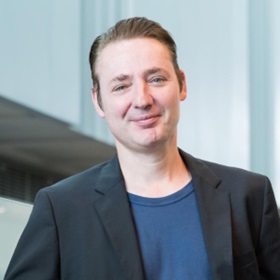
Professor Kamil R Kranc, Chair of Haemato-Oncology, serves as the Centre's Director, while Fabiana Muzzonigro is the Centre Administrator.


How we conduct research at this centre

Solid tumours and blood cancers are highly complex ecosystems, with many composed of varying cell types including rare cancer stem cells at the apex of a hierarchical organisation, more differentiated malignant progeny, and a dynamic microenvironment that nurtures tumour growth and survival. At our Centre, we seek to elucidate the fundamental principles that govern this malignant ecosystem. We employ advanced mouse genetics (including barcoding and lineage tracing) and PDX models to dissect how tumour cells function, evolve under selective pressures, evade therapy, and engage with their microenvironment to sustain disease progression. By decoding these intricate cellular and molecular interactions, we aim to identify transformative therapeutic strategies capable of eradicating cancer at its origin - achieving durable remission while preserving normal tissue integrity.

A particular strength of our Centre lies in the generation and application of in vivo models, which are essential for uncovering novel aspects of cancer biology and evaluating emerging therapies. We work in close collaboration with ICR researchers and clinicians at The Royal Marsden to develop patient-derived xenograft (PDX) models of leukaemias and solid tumours by transplanting human cancer tissue into immunocompromised mice. In parallel, we generate and utilise genetically engineered mouse models (GEMMs) to interrogate cancer biology in a physiologically relevant context. By leveraging these sophisticated in vivo systems, the Centre aims to:

  • Uncover new facets of cancer biology in a complex in vivo ecosystem
  • Discover and validate novel therapeutic targets allowing for elimination of cancer stem cells and their malignant progeny in blood cancers and solid tumours
  • Collaborate closely with drug discovery teams at the ICR to develop inhibitors of these targets
  • Evaluate new anti-cancer drugs in pre-clinical in vivo models, paving the way for clinical trials.

In addition to our academic focus, CIVM serves as a collaborative hub across the ICR and The Royal Marsden, providing the ICR community with cutting-edge expertise in advanced mouse genetics and humanised mouse models of cancer.

Join us

We are recruiting two exceptional Group Leaders to join the Division of Cancer Biology and the Centre for In Vivo Modelling (CIVM). This is a unique opportunity to shape the future of cancer biology research, lead innovative programmes, and make discoveries that transform patient outcomes.

These new Group Leaders will investigate fundamental mechanisms of tumour initiation, progression, and treatment resistance, and develop cutting-edge preclinical models to advance understanding of cancer biology. Working in close collaboration across the ICR and The Royal Marsden Hospital, the postholders will translate discovery science into new therapeutic opportunities, contributing to the ICR’s mission to make the discoveries that defeat cancer.

Find out more about the vacancies

Members of this Centre

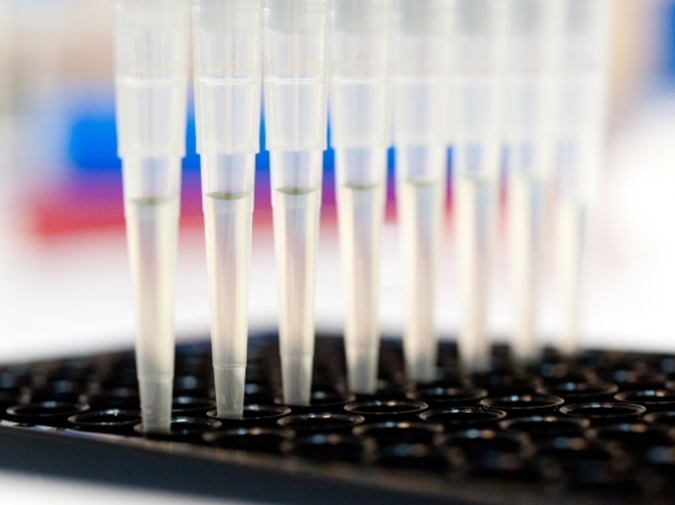
Pipettes and well plates

In Vivo Modelling core

We provide cutting-edge expertise in advanced mouse genetics and humanized mouse models of cancer.

CIVM Service Core

Other staff:

Driving discovery through collaboration 

At CIVM, our collaborative spirit drives our mission to advance cancer cures. We actively partner with basic science, translational, and clinical research groups across the ICR and The Royal Marsden. Our collaborations also extend beyond, working closely with distinguished academic teams at the Universities of Oxford, Cambridge, Edinburgh, Cardiff, London, Glasgow, and the Francis Crick Institute.


News from the Centre

We are recruiting a Group Leader in In Vivo Cancer Modelling. We welcome applications at both the Career Development Faculty and Career Faculty levels. Competitive start up package is available. For further particulars please contact [email protected].


Current vacancies

There are currently no vacancies available in this group or area.

News from the ICR

28/02/26

A new immunotherapy drug has shown promise for safely treating prostate cancer, a phase I trial reports.

Almost half of the patients in the trial that could be evaluated saw their tumour shrink after taking the drug, and the majority of patients experienced a marker of prostate cancer halved. The researchers were pleased to see that the majority of patients only experienced very mild side effects.

The phase I trial involved 8 sites around the world and is led by Professor Johann de Bono at The Institute of Cancer Research, London and The Royal Marsden NHS Foundation Trust.

T cell engager

Results from the trial, which was funded by Vir Biotechnology, are presented at the American Society of Clinical Oncology (ASCO) Genitourinary Cancers Symposium.

The trial tested the new VIR-5500 drug in 58 patients with advanced prostate cancer that has stopped responding to other treatments. The aim of the trial was to determine the safety of the drug and find the best dose to give to patients.

The innovative drug is a T-cell engager – it binds both to the body’s immune T-cells, and to prostate-specific membrane antigen (PSMA), which is on the surface of cancer cells.

Cloaking device

It binds to the cancer cells wherever they are in the body and brings the T-cells into contact with them, facilitating their attack. It also contains a cloaking device – keeping it hidden and inactive until it reaches the tumour – which helps to prevent side-effects from occurring. In addition, it allows the drug to stay in the blood stream for longer, meaning fewer doses may need to be given to patients.

T-cell engagers have previously led to severe inflammatory responses in prostate cancer patients, as they activate the immune system all around the body. Thanks to the cloaking device, 88 per cent of the patients did not experience the treatment-related adverse events usually seen with T-cell engagers.

Prostate-specific antigen (PSA) is a marker of disease that can be elevated if someone has prostate cancer. Of the 17 evaluable patients treated with the highest dose of VIR-5500, 82 per cent (14 patients) saw their PSA levels halved, and 53 per cent (nine patients) saw their PSA levels drop by 90 per cent.

Shrinks tumours

Of the 11 patients treated at the highest dose who could be evaluated, 45 per cent (five patients) experienced their tumour shrink after treatment. Scans showed that tumours had shrunk in multiple sites across the body, including the internal organs.

It is estimated that more than three quarters of the 10,000 men a year diagnosed with advanced prostate cancer have tumours with high levels of PSMA and could therefore benefit from the treatment.

'The kiss of death'

Professor Johann de Bono, Regius Professor of Cancer Research at The Institute of Cancer Research, London, and Consultant Medical Oncologist at The Royal Marsden NHS Foundation Trust, said:

“T-cell engagers empower the body’s own immune system to give cancer cells the kiss of death. It is really remarkable to see early signs that this T-cell engager drug can have a profound anti-cancer effect for patients with advanced prostate cancer, who desperately need new treatments.

“It’s very positive to see that very few patients have experienced major side-effects, as this has been a key challenge in treating prostate cancers with immunotherapies in the past.

“This clinical trial is ongoing, and the drug will now progress into larger trials so that we can study its effect on patients’ long-term outcomes. There is certainly hope that drugs such as this will increase the likelihood of a cure even from advanced prostate cancer that has already spread, in the not-too-distant future.”

Professor Kristian Helin, Chief Executive of The Institute of Cancer Research, London, said:

“Immunotherapy has transformed the outcomes for many people with cancer but for those with prostate cancer its benefits have often remained out of reach. It’s encouraging to see this innovative approach showing promising effects in early clinical studies, and I look forward to following its continued development. I hope that VIR-5500 may offer a new treatment option for patients with advanced prostate cancer, who urgently need more effective therapies.”