

Close-up of an the ICR logo on a research centre

Centre for In Vivo Modelling

The Centre for In Vivo Modelling is a newly established research centre within the Division of Cancer Biology at the ICR. Our scientists and clinical researchers use state-of-the-art in vivo models to address fundamental questions in cancer biology, with the ultimate aim of identifying curative treatments. We also serve as a collaborative hub across the ICR and The Royal Marsden, providing cutting-edge expertise in advanced mouse genetics and humanised in vivo models of cancer.

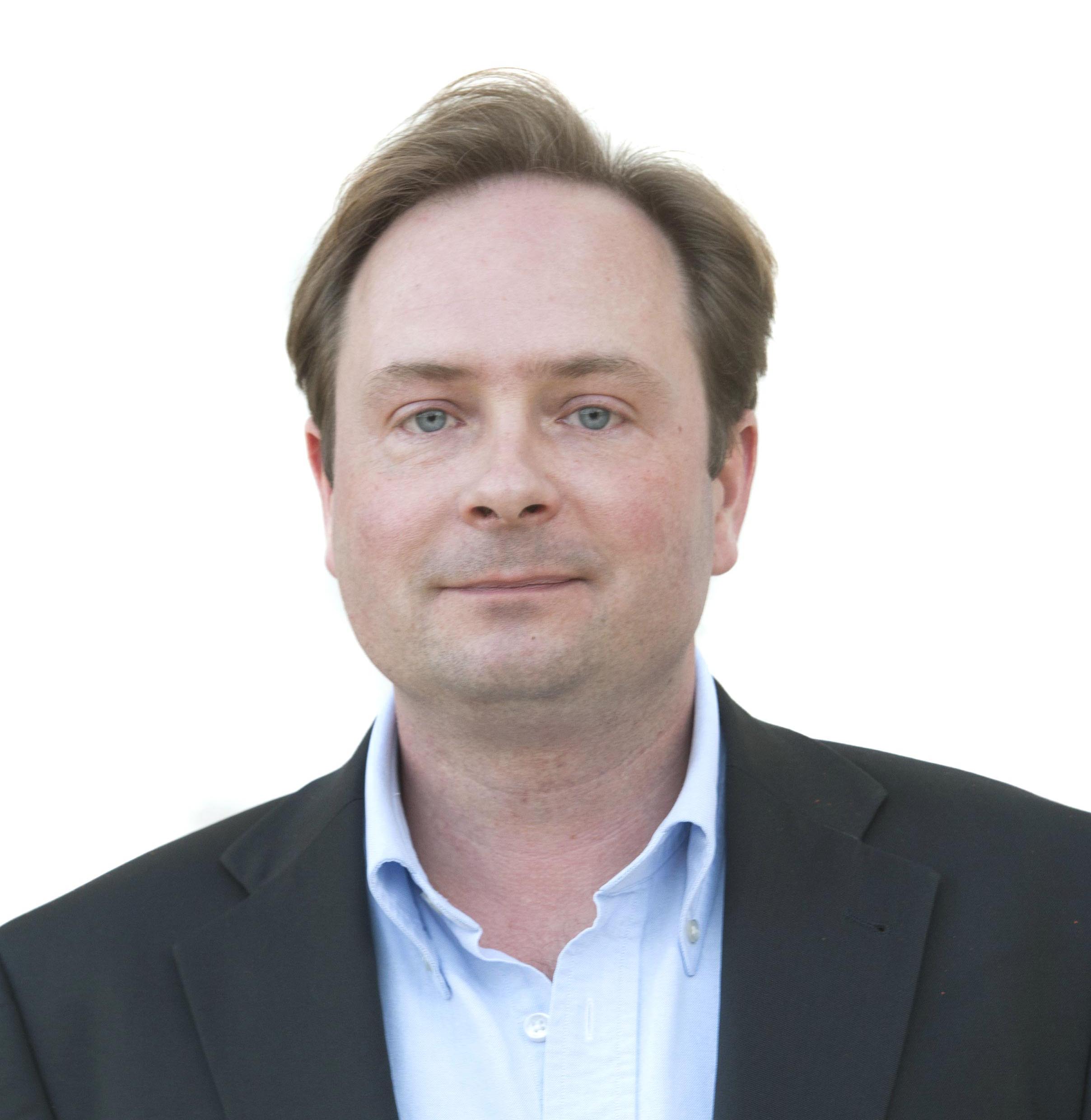
Professor Kamil R Kranc, Chair of Haemato-Oncology, serves as the Centre's Director, while Fabiana Muzzonigro is the Centre Administrator.


How we conduct research at this centre

Solid tumours and blood cancers are highly complex ecosystems, with many composed of varying cell types including rare cancer stem cells at the apex of a hierarchical organisation, more differentiated malignant progeny, and a dynamic microenvironment that nurtures tumour growth and survival. At our Centre, we seek to elucidate the fundamental principles that govern this malignant ecosystem. We employ advanced mouse genetics (including barcoding and lineage tracing) and PDX models to dissect how tumour cells function, evolve under selective pressures, evade therapy, and engage with their microenvironment to sustain disease progression. By decoding these intricate cellular and molecular interactions, we aim to identify transformative therapeutic strategies capable of eradicating cancer at its origin - achieving durable remission while preserving normal tissue integrity.

A particular strength of our Centre lies in the generation and application of in vivo models, which are essential for uncovering novel aspects of cancer biology and evaluating emerging therapies. We work in close collaboration with ICR researchers and clinicians at The Royal Marsden to develop patient-derived xenograft (PDX) models of leukaemias and solid tumours by transplanting human cancer tissue into immunocompromised mice. In parallel, we generate and utilise genetically engineered mouse models (GEMMs) to interrogate cancer biology in a physiologically relevant context. By leveraging these sophisticated in vivo systems, the Centre aims to:

  • Uncover new facets of cancer biology in a complex in vivo ecosystem
  • Discover and validate novel therapeutic targets allowing for elimination of cancer stem cells and their malignant progeny in blood cancers and solid tumours
  • Collaborate closely with drug discovery teams at the ICR to develop inhibitors of these targets
  • Evaluate new anti-cancer drugs in pre-clinical in vivo models, paving the way for clinical trials.

In addition to our academic focus, CIVM serves as a collaborative hub across the ICR and The Royal Marsden, providing the ICR community with cutting-edge expertise in advanced mouse genetics and humanised mouse models of cancer.

Join us

We are recruiting two exceptional Group Leaders to join the Division of Cancer Biology and the Centre for In Vivo Modelling (CIVM). This is a unique opportunity to shape the future of cancer biology research, lead innovative programmes, and make discoveries that transform patient outcomes.

These new Group Leaders will investigate fundamental mechanisms of tumour initiation, progression, and treatment resistance, and develop cutting-edge preclinical models to advance understanding of cancer biology. Working in close collaboration across the ICR and The Royal Marsden Hospital, the postholders will translate discovery science into new therapeutic opportunities, contributing to the ICR’s mission to make the discoveries that defeat cancer.

Find out more about the vacancies

Members of this Centre

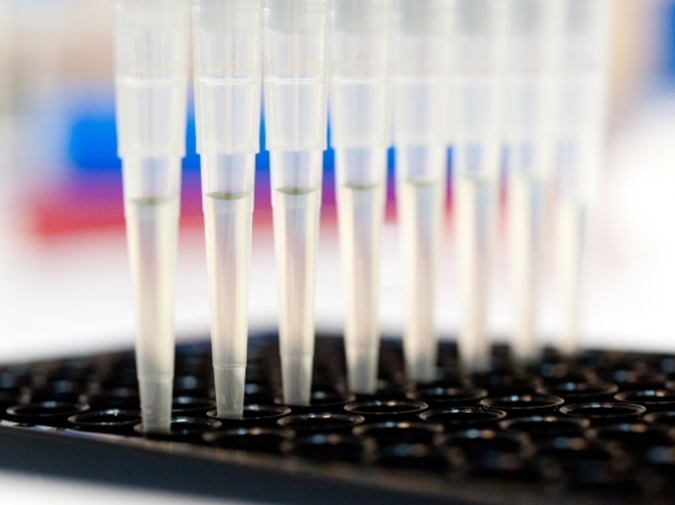
Pipettes and well plates

In Vivo Modelling core

We provide cutting-edge expertise in advanced mouse genetics and humanized mouse models of cancer.

CIVM Service Core

Other staff:

Driving discovery through collaboration 

At CIVM, our collaborative spirit drives our mission to advance cancer cures. We actively partner with basic science, translational, and clinical research groups across the ICR and The Royal Marsden. Our collaborations also extend beyond, working closely with distinguished academic teams at the Universities of Oxford, Cambridge, Edinburgh, Cardiff, London, Glasgow, and the Francis Crick Institute.


News from the Centre

We are recruiting a Group Leader in In Vivo Cancer Modelling. We welcome applications at both the Career Development Faculty and Career Faculty levels. Competitive start up package is available. For further particulars please contact [email protected].


Current vacancies

There are currently no vacancies available in this group or area.

News from the ICR

13/03/26


Scientists at The Institute of Cancer Research, London, are supporting an international clinical trial of a promising new immunotherapy treatment for advanced ovarian cancer.

Biotechnology firm Theolytics has been awarded €8 million research funding through the Horizon Europe programme, pending final negotiation, to support expansion of the OCTOPOD‑IV Phase IIa trial.

The trial will evaluate THEO‑260 – a next‑generation oncolytic immunotherapy designed to tackle the complex biology of stroma-rich carcinomas, starting with platinum‑resistant ovarian cancer.

As a partner in the programme, The Institute of Cancer Research (ICR) will lead key translational analyses, generating vital insights into how the treatment works in patients and identifying biomarkers that could guide future clinical development.

How the treatment works

THEO‑260 is a type of oncolytic immunotherapy, which uses a specially adapted virus that can infect and kill cancer cells while helping the immune system recognise and attack the tumour.

The therapy is designed to destroy both cancer cells and cancer‑associated fibroblasts – supportive cells inside the tumour that help it grow and protect it from the immune system. By breaking down these cells, the treatment may make tumours more vulnerable and easier for the immune system to target.

The ICR team, led by Professor Alan Melcher, will study tumour and blood samples from people taking part in the trial to understand what effect the treatment has inside the body and why it may benefit some patients more than others.

Addressing an unmet need

The programme brings together leading cancer centres from across the world and has been supported through major European research funding following a highly competitive selection process. Alongside the ICR, the collaboration includes the Cancer Center Clínica Universidad de Navarra in Spain, the Catalan Institute of Oncology in Spain, and Princess Margaret Hospital in Toronto, Canada.

Platinum‑resistant ovarian cancer is one of the most challenging forms of cancer to treat. Once chemotherapy stops working, treatment options are extremely limited and survival times are often short, so there is a pressing need for new therapies that work in different ways.

The OCTOPOD‑IV trial is the first time THEO‑260 is being tested in people. The study will explore whether the treatment is safe, how well patients tolerate it and whether it shows early signs of shrinking or controlling tumours. It will also collect detailed biological and immune information to support further development.

Recruitment is already underway in the UK and Spain, and more international sites will open as the trial expands. A second related study in the United States – looking at delivering the therapy directly into the abdomen – is also in progress.

Leading the way in immunotherapy

The ICR is internationally recognised for pioneering work on oncolytic viruses and innovative immunotherapy treatments. Professor Melcher’s group has shown how certain viruses can stimulate powerful immune responses against cancer, contributed to early clinical trials of new viral treatments, and helped establish the ICR’s Centre for Immunotherapy of Cancer to accelerate progress in the field.

Professor Alan Melcher, Professor of Translational Immunotherapy at The Institute of Cancer Research, London, said:

“The way this treatment works – attacking the tumour cells and the tumour’s supportive structure while activating the immune system at the same time – could offer a much‑needed new option for patients with advanced solid tumours.
“We are delighted to support the OCTOPOD‑IV study, and the ICR will provide key translational data to help understand this novel therapeutic approach and its potential for improving outcomes for patients.”

Dr Margaret Duffy, CSO and Co‑founder of Theolytics, said:

“Our collective success with this grant award reflects the extraordinary work being done by the team at Theolytics, and the calibre of our clinical and translational partner centres. The award validates both the scientific rationale behind our THEO‑260 programme and the huge potential of its novel oncolytic and ‘CAF‑lytic’ mechanism to address a significant unmet need in stroma-rich solid cancers. By integrating advanced translational analyses into our clinical trial design, we will clinically demonstrate the differentiated mechanism of action of THEO‑260 and provide key data to advance this programme and deliver true impact for cancer patients.”