

The Institute of Cancer Research, London, works closely with trusts, foundations and charity partners who play an important part in enabling our state-of-the-art research. We recently marked a long-standing partnership with the Bob Champion Cancer Trust, honouring the charity’s namesake with a special award. The Trust has already helped fund important research into testicular and prostate cancer, and it continues to provide significant support in these fields. Here, we look at two exciting projects at The Institute of Cancer Research (ICR) that are currently translating Bob Champion Cancer Trust funding into innovative tools that have potential to change the lives of men with prostate cancer.
When jockey Bob Champion crossed the finish line at Aintree in 1981 to win the Grand National, it was more than a sporting triumph. Just two years earlier, Bob had been diagnosed with testicular cancer that had spread to the lungs, and doctors had given him slim odds of survival. His fairytale racing victory, which came after his treatment and subsequent recovery, became a global symbol of resilience and hope, inspiring millions and marking the start of a lifelong mission to improve outcomes for people with cancer.
More than four decades later, Bob’s impact extends far beyond the racecourse. In 1983, he established the Bob Champion Cancer Trust with Nick Embiricos, the owner of his beloved racehorse, Aldaniti. Through this charity, he has raised more than £15 million to fund pioneering research into prostate cancer – the most common male cancer in the UK.
Recently, the ICR honoured Bob’s extraordinary contribution to research into male cancers by awarding him an honorary doctorate at our graduation ceremony. The accolade recognises not only his personal courage but also his unwavering commitment to advancing science that saves lives.
That legacy continues today through two cutting-edge projects funded by the Bob Champion Cancer Trust at the ICR, to be known as ‘The Nick and Valda Embiricos Awards’. Both aim to tackle some of the biggest challenges in prostate cancer treatment, using artificial intelligence (AI) to make care faster, smarter and more personalised.
A lifelong mission to defeat prostate cancer
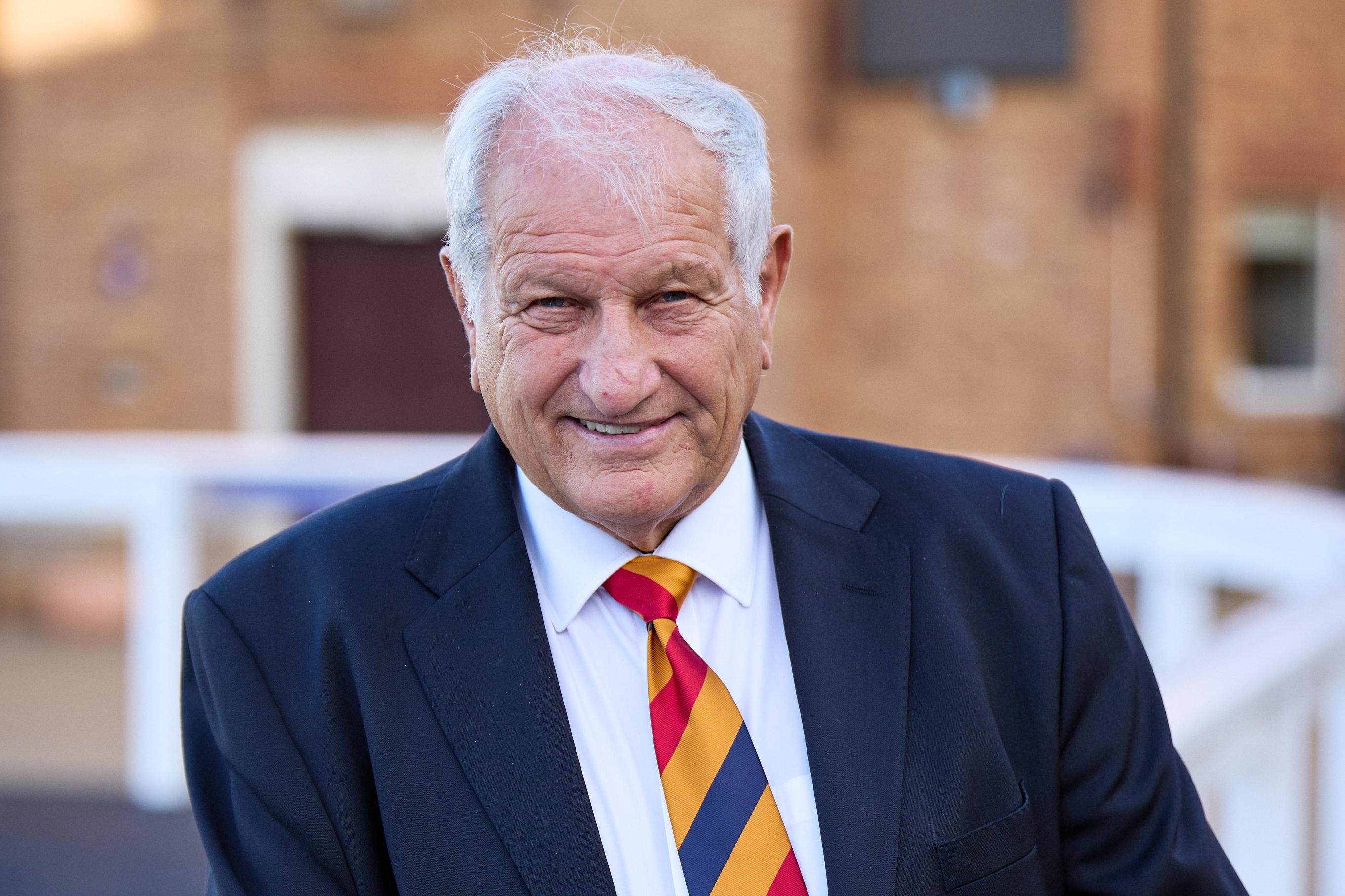
Prostate cancer affects more than 55,000 men in the UK every year. Although survival rates have improved, the disease still claims thousands of lives annually, and many men experience serious side effects from treatment, including sexual dysfunction and urinary problems.
Bob Champion knows first-hand the physical, emotional and social toll cancer can take. The Trust was founded to change that story for others.
Over the years, the Bob Champion Cancer Trust has supported innovative research that has shaped global standards of care. Currently, much of this research is focused on harnessing technology to detect cancer earlier, predict its behaviour more accurately and tailor treatment to the individual. The two new ICR projects selected by the Trust for funding exemplify this vision.
Bob Champion, CBE, said:
“My story 45 years ago gave hope to people fighting cancer. I am very proud of what the Trust has achieved since then and hope we can, with this award, continue to make a difference.”
We urgently need better ways to detect prostate cancer earlier, predict drug resistance and develop smarter, more personalised treatments. By supporting us today, you can help our scientists make more discoveries and help ensure that every man with prostate cancer can live a longer, healthier life.
The five-minute MRI revolution
For men with advanced prostate cancer – particularly those whose disease has spread to the bones – whole-body imaging can be a lifeline. It helps doctors monitor how tumours respond to treatment and decide whether to switch to another therapy.
One of the most powerful tools for this is a specialised form of MRI called whole-body diffusion-weighted imaging (WBDWI). WBDWI uses water molecule movement to reveal cancer activity without exposing patients to radiation. By providing a quantitative parameter of how freely water moves through the tissue – in this case, the bone – this technology helps experts distinguish between healthy and cancerous regions.
But there’s a catch. A standard WBDWI slot takes about an hour, and the process requires patients to lie still in the scanner for a prolonged period. For those in pain, this can be gruelling. It also creates bottlenecks in busy hospitals, where demand for MRI scans is soaring. Just at the ICR’s partner hospital, The Royal Marsden NHS Foundation Trust, about 2,000 whole-body scans are performed each year, and this number is growing fast.
Now, a new AI-powered technique developed at the ICR called ‘quickDWI’ promises to cut scan appointments to 30 minutes, with the imaging process itself taking less than five minutes. In a preliminary study of 99 patients, the patented technology produced images of equivalent quality to standard scans – and crucially, its measurements of tumour response were accurate.
Project lead Dr Matthew Blackledge, Group Leader of the Computational Imaging Group at the ICR, said: “One of the best tools we have for managing advanced prostate cancer is WBDWI. But the long scan times are a real barrier. With AI, we can make the process faster, more comfortable and more widely available.”
The benefits of this innovation are profound. Shorter scans mean less discomfort for men already coping with pain and fatigue, and halving appointment slots could double hospital throughput, reducing waiting times for thousands of patients. Faster imaging also allows doctors to monitor treatment response more closely and adapt therapy sooner, improving outcomes. Looking further ahead, quickDWI could even enable large-scale screening for men at high risk of advanced prostate cancer – potentially catching disease before it spreads.
Creating a future of quick prostate checks
The project isn’t just about speed. It’s also tackling one of the biggest challenges in medical AI: trust. The quickDWI technique uses algorithms to reconstruct high-quality images from a smaller quantity of data, but clinicians need confidence that what they see is real. To address this, the researchers are developing tools that show the certainty of each result – flagging any areas where the AI might be less reliable. They’re also creating robust quality assurance systems so that hospitals can validate the technology on their own scanners. Unlike some vendor-specific solutions, quickDWI is designed to work across different machines, making it easier to scale globally.
The team hopes that it will be possible to integrate quickDWI into clinical workflows within the next few years, although widespread adoption will be dependent on commercial partnerships. Ultimately, the technology could transform prostate cancer imaging and even open the door to mobile screening units offering five-minute scans, much like breast cancer screening vans.
“If we can get scan times down to the real minimum, we can create a future where men have quick prostate checks in the community,” said Dr Blackledge. “That’s the kind of impact we’re aiming to achieve.”
Maximising benefit for patient
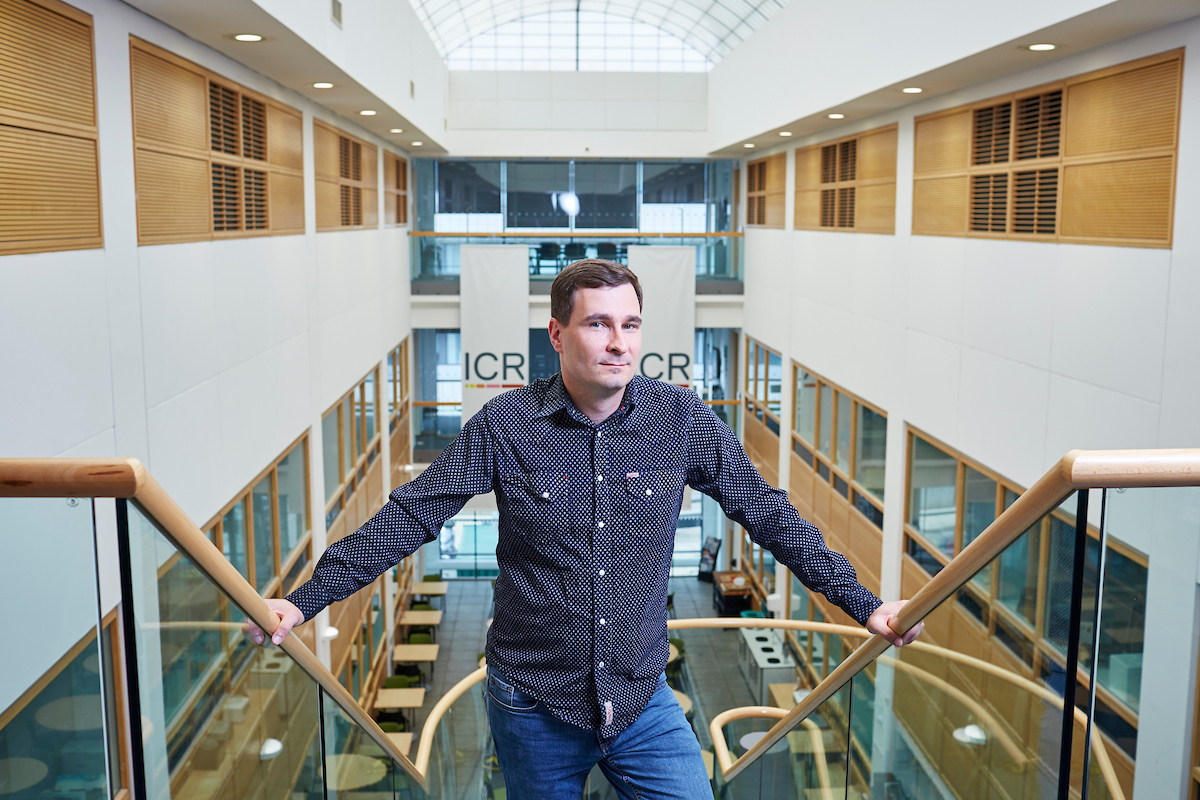
Dr Blackledge discovered that he’d been selected as a recipient of the Bob Cancer Trust New Investigator Award at the end of September 2025. His team has been building up to this project for several years, and the new funding will help push it forwards.
Dr Blackledge said: “I’m really grateful for this opportunity. Thanks to the Bob Champion Cancer Trust, we will be able to carry out work that wouldn’t have been possible otherwise.
“The most exciting thing for me is getting the opportunity to translate what we do in terms of our image processing into a functional medical device that improves the treatment we can offer patients.”
In the longer term, the team plans to merge its quickDWI work with another of its projects, which is focused on using AI to provide faster, more accurate and more objective assessments of the images achieved by radiologists.
Another future priority is to expand the use of both of these technological advances into other types of cancer to maximise the number of patients who can benefit.
Smarter predictions with AI and biopsy analysis
While imaging is vital for advanced disease, the biggest challenge in early-stage prostate cancer is knowing which tumours will behave aggressively and which tumours are safe to monitor rather than treat. Currently, doctors often can’t tell, so some men are overtreated, enduring life-changing side effects unnecessarily, while others are undertreated and see their cancer return.
Radiotherapy and surgery have improved dramatically, but both can cause potential problems with urinary, sexual and bowel function. Similarly, although new drugs offer hope, some carry the risk of heart disease, depression and frailty. The need to balance survival with quality of life means that the stakes are high when it comes to treatment decision-making.
This second Bob Champion Cancer Trust-funded project at the ICR aims to change this by using AI to extract more information from routine biopsies, which already form part of every confirmed prostate cancer diagnosis in the UK.
The team is developing AI algorithms that analyse standard biopsy slides stained with two dyes, hematoxylin and eosin (H&E), to predict how a tumour will behave. This approach – requiring no extra tests or tissue samples – is practical, affordable and scalable, making it ideal for NHS adoption.
The research focuses on two key biological features. The first is the loss of the PTEN gene, which is often switched off in tumours that are more likely to recur after treatment. Detecting PTEN status could guide decisions on whether to intensify therapy. The second is the structure of the extracellular matrix (ECM) – the ‘cement’ that holds cells together. When the ECM is particularly dense, it may block immune attack and facilitate cancer spread.
Currently, testing for these features requires extra staining and specialist analysis, making it costly and time-consuming. The aim is to get the same insights from routine H&E-stained slides using AI, including cutting-edge generative models that can infer ECM structure from standard images.
The potential impact is enormous; men thought to be at higher risk of aggressive disease could receive intensive treatment upfront, while men at lower risk could avoid unnecessary side effects.
This project is being led by Dr Anna Wilkins, who is Group Leader of the Stromal Radiobiology Group at the ICR, Honorary Consultant Oncologist at The Royal Marsden Hospital and Visiting Scientist at The Francis Crick Institute. She said:
“We’re using decades of ICR trial data to power this research. When those trials started, we never imagined that AI could unlock so much from a simple biopsy. It’s incredibly exciting.”
The team is also exploring how to validate AI tools rigorously and ensure they add real value. In two recent studies involving a total of more than 2,000 men, the algorithm showed strong performance against expert pathology – a crucial step toward clinical adoption. Impressively, it was even able to provide test results from digital scans of samples that were 20 years old.
Looking ahead, the researchers hope to combine AI predictions with other biological signals to make the models even more powerful. They believe the first patient benefits could be seen within months to a few years.
Seeking quick patient impact
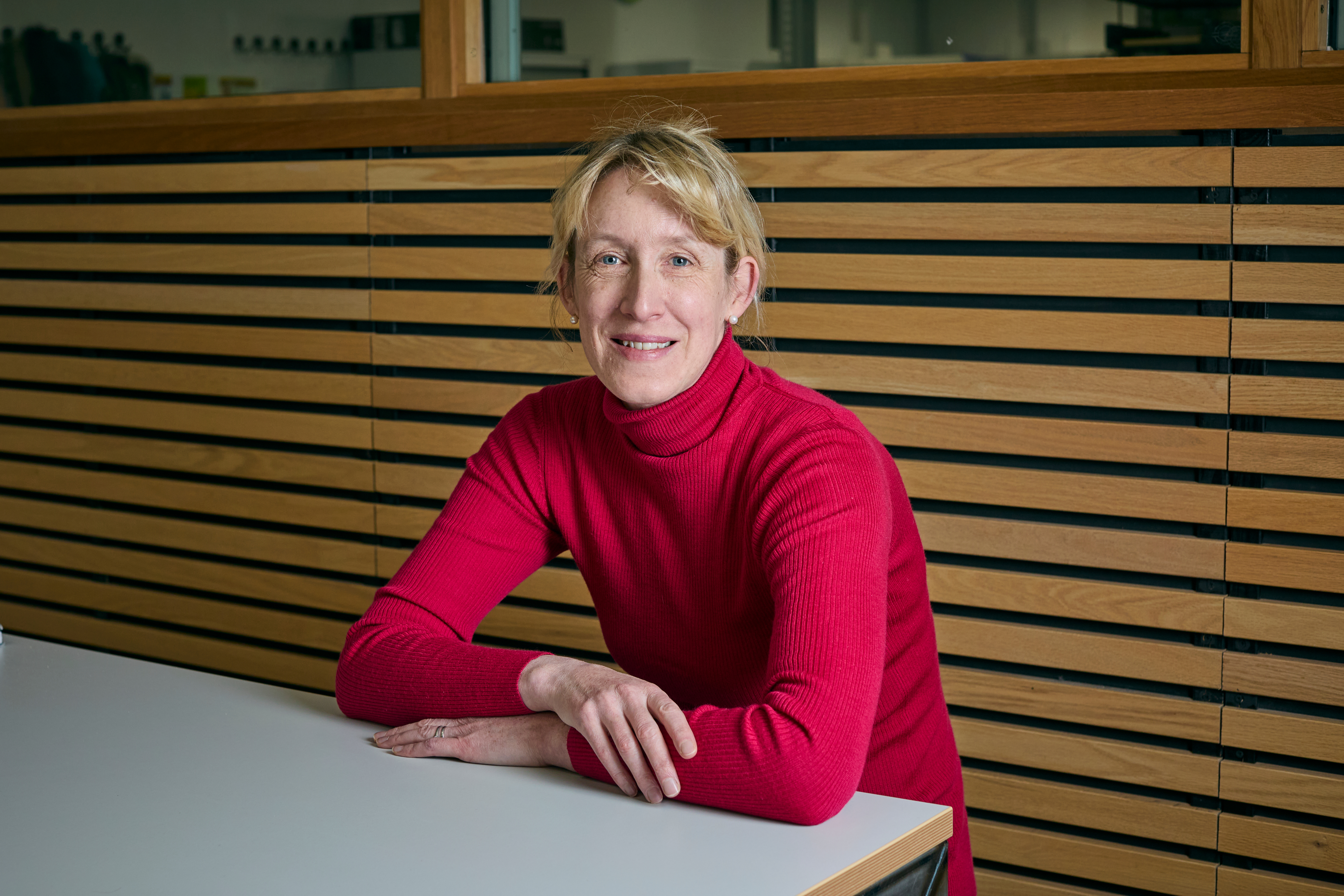
Dr Wilkins said: “Prostate cancer is such a common disease, and we can have men whose cancers look very similar but behave in very different ways. We're not yet good enough at predicting how the disease will progress in each case, so we're having to take a one-size-fits-all approach, which produces inconsistent outcomes.
“For my project, I wanted to make sure that some really robust patient outcomes were achievable. And I believe that this area of research has a high likelihood of quick patient impact.”
The grant has expanded the scope of this project, which will hopefully allow patients to benefit sooner.
Dr Wilkins had been aware of Bob’s work for decades, as she was involved previously in running clinical trials led by his charity. She said: “I so appreciate the support of this wonderful charity. It’s fair to say that it has opened up a whole range of possibilities for us in terms of our work. It has made important new collaborations possible and made them move effectively.”
A global perspective
On a broader scale, digital pathology – the management and analysis of information generated from digitised specimen slides – and AI could bring advanced diagnostics to countries with limited resources.
Prostate cancer is rising fastest in low- and middle-income countries, where access to specialist pathology is limited. AI-driven tools that work with routine biopsies could be transformative, enabling early diagnosis and risk assessment without expensive infrastructure.
This is particularly important to Dr Wilkins, who previously spent time working as a medical volunteer in Myanmar – a country where the lack of pathologists, microscopes and reliable electricity meant that simple, straightforward techniques were key to any health programme’s success.
Bob Champion’s enduring legacy
From the roar of the Grand National crowd to the whirring of an MRI scanner, Bob Champion’s story is one of courage, determination and hope. His honorary doctorate from the ICR is a fitting tribute to a man who turned personal adversity into a force for good by funding research that is changing lives today and will save countless more in the future.
The two ICR projects supported by the Bob Champion Cancer Trust embody everything Bob stands for: innovation, compassion and a relentless drive to beat cancer. Whether it’s a five-minute scan that makes treatment more precise or an AI tool that helps ensure each man gets the right therapy, these advances bring us closer to a future where prostate cancer is not just treatable but truly manageable.
Image credits: Banner image - deavvi from Pixabay; Bob Champion image - Dominic James