
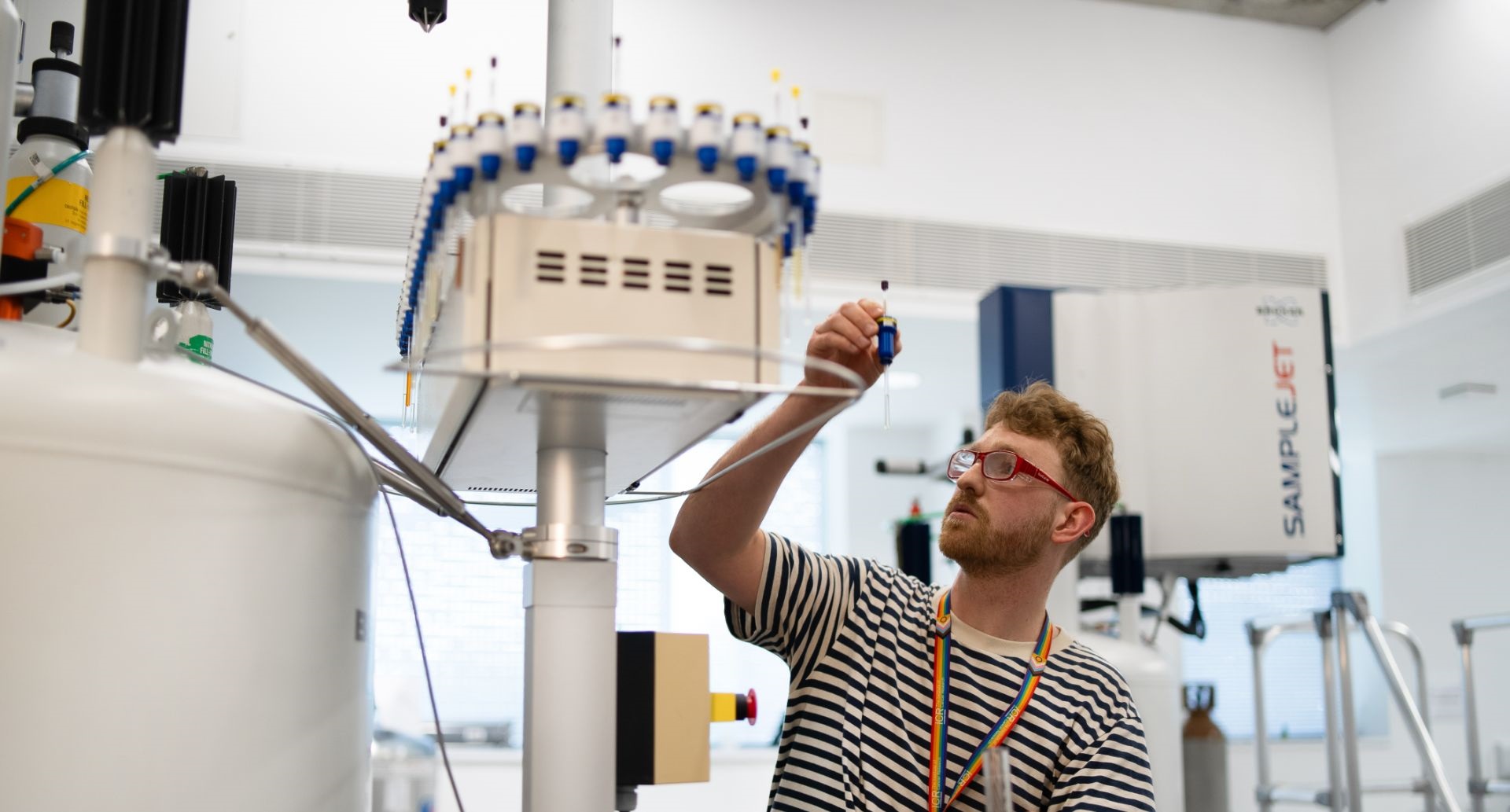
Join the next generation of leading cancer scientists with fully-funded PhDs
Our competitive PhD programme is designed for science graduates who want a career in cancer research. We offer above-average stipends and exceptional facilities.
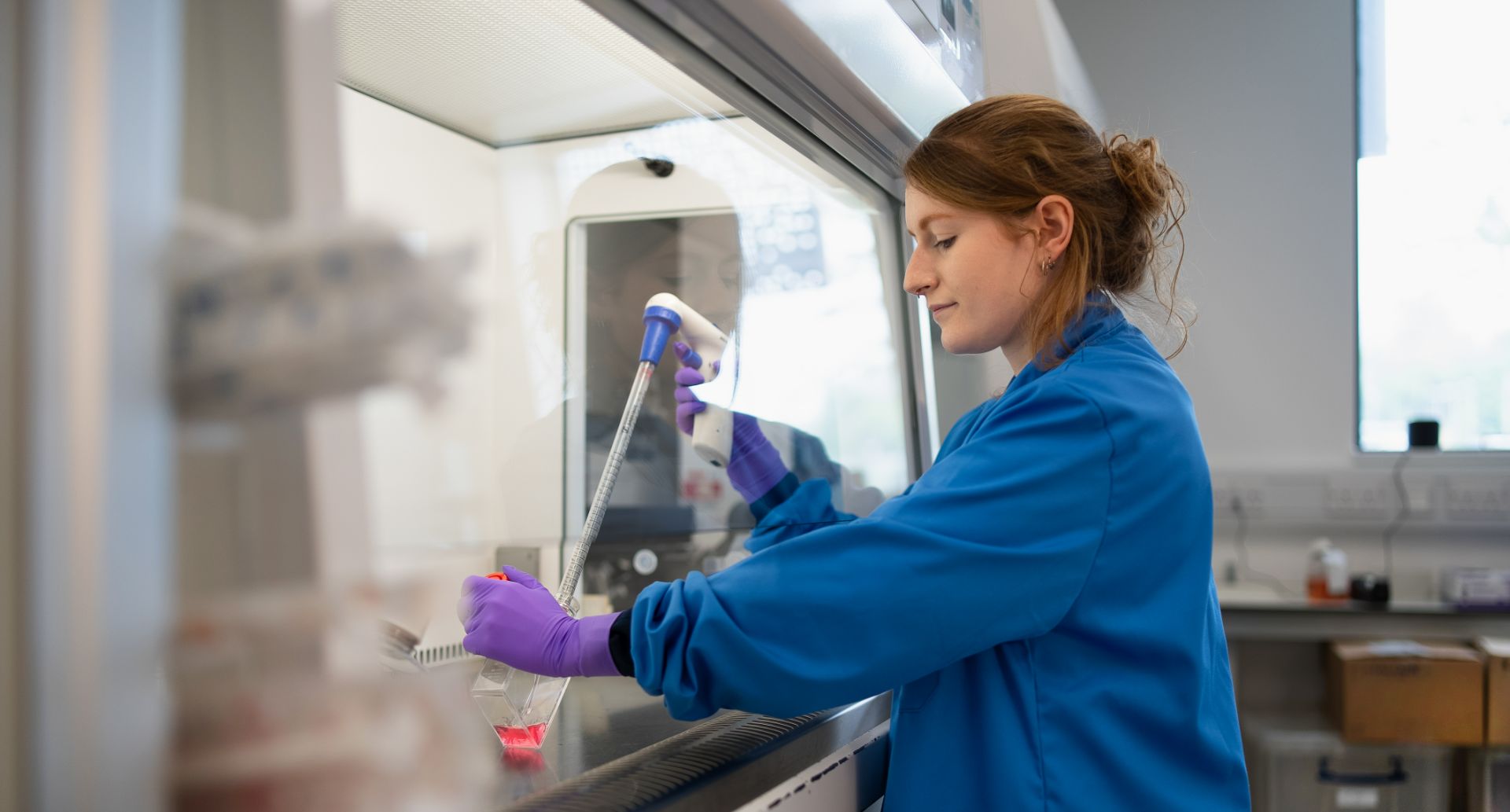
Applying for PhD projects
Funding and stipends
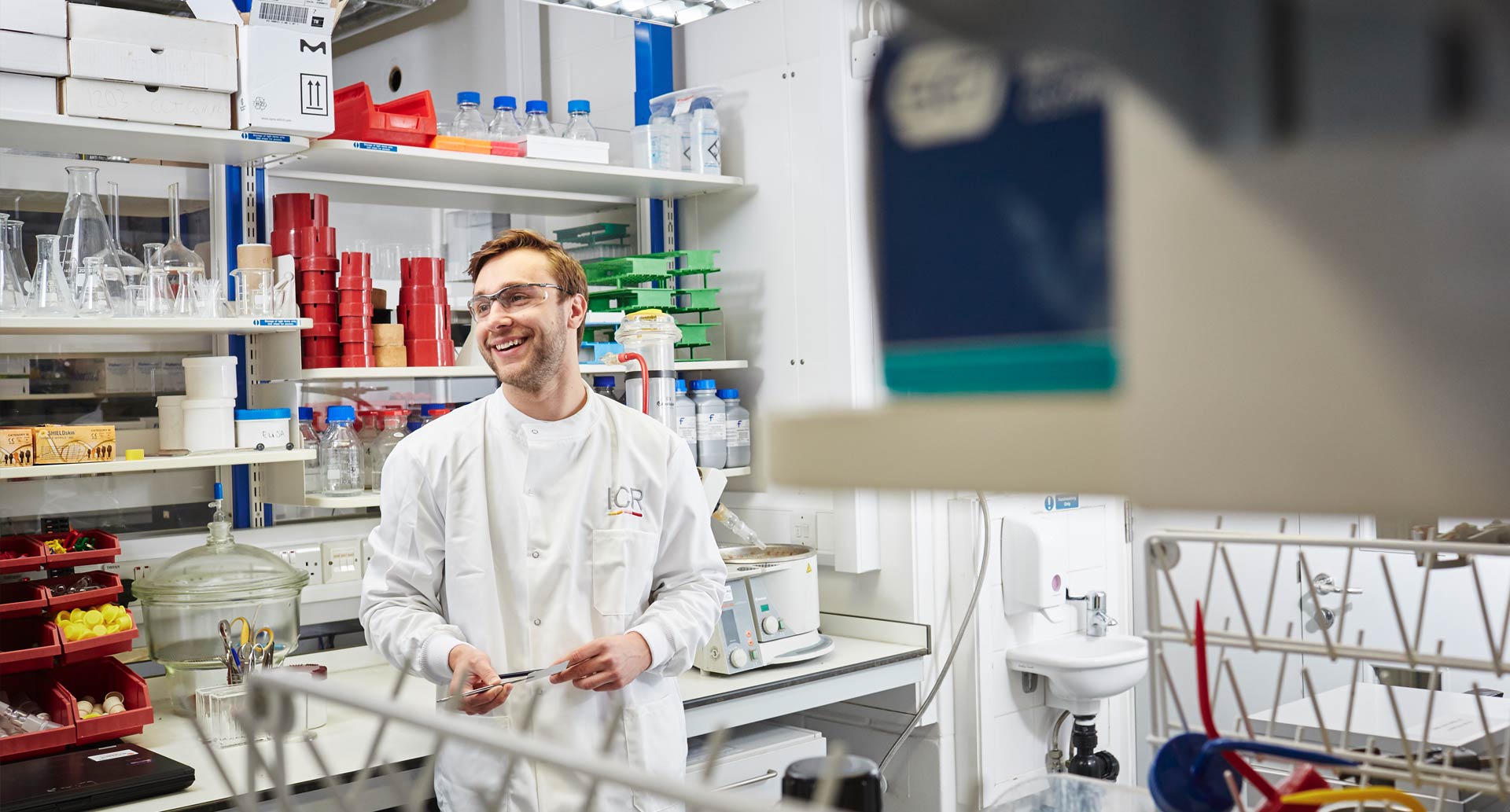
We provide a generous stipend and cover tuition fees for the majority of our PhD projects so you can focus on the research.
Current opportunities
Black Leaders in Cancer & Convergence PhD Studentships
We are currently inviting applications for two funded studentships offered through a joint recruitment call between the Black Leaders in Cancer Studentship and the Convergence PhD Programme.Just some of our PhD projects:
AI-driven, probabilistic patient motion modelling for radiotherapy planning adaptation
Primary supervisor: Dr Matthew Blackledge Primary site: Sutton Funded by CRUKComputational and Multi-omic Profiling of Resistant Tumour Cell Subclones in Oestrogen Receptor-Positive Breast Cancer
Primary supervisor: Dr Maggie Cheang Primary site: Sutton Funded by MRC iCASE award (AstraZeneca) This project is only open to candidates’ who are eligible for home student tuition fees.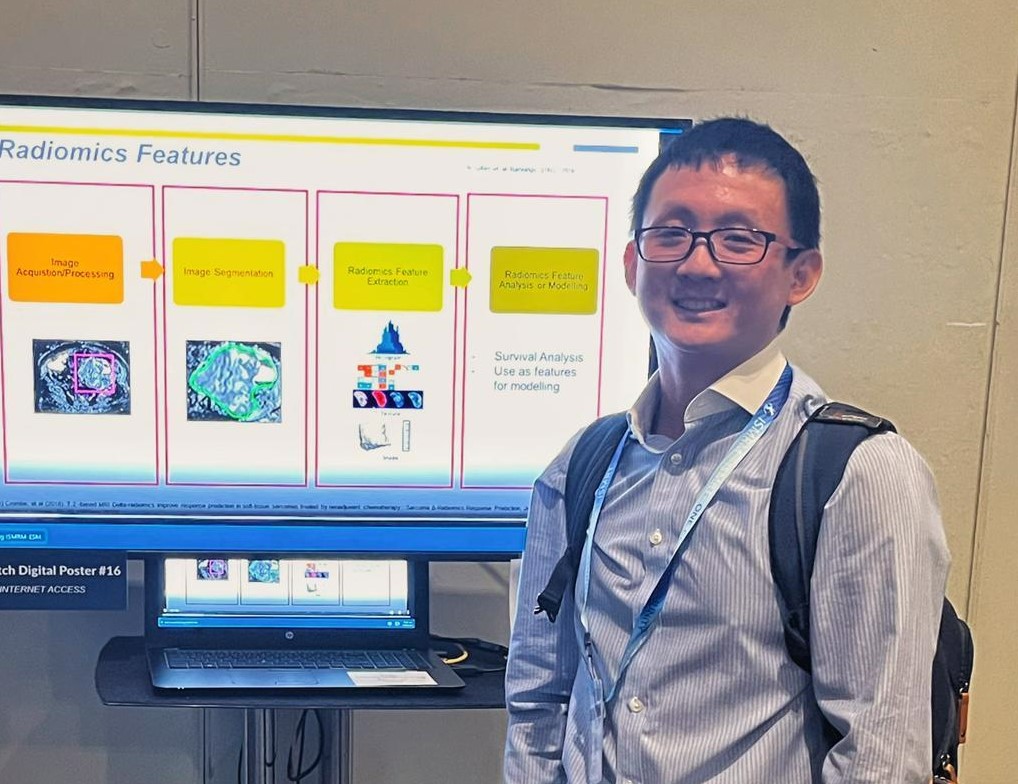
Student Profile
Timothy Sun Hon Mun is a PhD student in the Computational Imaging Team at the ICR. He is investigating the use of artificial intelligence (AI) and medical imaging in predicting survival outcomes and treatment response for patients with soft tissue sarcomas. His project is part of the Sarcoma Accelerator Consortium.
Student life
Our student committees and social life plus our day-to-day support and exceptional learning resources keep supporting you outside your research.
Support moving to the UK
We embrace researchers from across the world and you’ll get a variety of social, welfare and accommodation benefits & advice, to help your move to the UK.
Student Profile
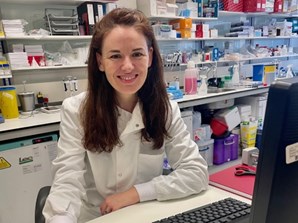
Maria Coakley is a Clinical Research Fellow carrying out her PhD in the Division of Breast Cancer Research at the ICR. Her project involves working with patient samples collected from a clinical trial to investigate the evolution of triple-negative breast cancers.
.png?sfvrsn=c9f90a63_1)