
In this feature, cancer scientists and animal research experts across The Institute of Cancer Research, London, discuss why breakthroughs gained by studying whole-body systems in animals are essential in understanding how cancer develops and behaves within a whole organism, and how to treat it effectively.
In recent decades, alternatives to animal studies – from organoids and organ-on-a-chip technology to AI-driven modelling – have been transformative for cancer research. These tools aid researchers by illustrating specific tissues, biological pathways and treatment responses with remarkable speed and efficiency. Yet, there remain many important questions that only living, whole-body systems can help answer.
As with all research institutes and universities, animal studies at The Institute of Cancer Research (ICR) are tightly regulated, continuously refined and used only when necessary – often as the final step that turns laboratory insight into treatment for patients. This approach is guided by the principle of the 3Rs – replacement (using non-animal methods), reduction (using fewer animals) and refinement (improving welfare) – which underpin how studies are designed and reviewed in the UK.
Why a whole-body system still beats a Petri dish
Cancer is a system-level disease – it can affect many different organs or even the whole body. Drugs do not travel to a single site and stop there. They are absorbed, metabolised, distributed and cleared by multiple bodily systems, all while tumours evolve under pressure and immune cells patrol, adapt and counterattack.
Even organ-on-a-chip devices – micro-engineered devices mimicking human organ functions – or computational models cannot yet replicate multi-organ toxicity caused by cancer, how a body affects a drug (pharmacokinetics) and vice versa (pharmacodynamics), or the complex crosstalk between tumours and the immune system.
Some human cancers highlight this point significantly. For example, acute myeloid leukaemia (AML) – a cancer of the white blood cells – driven by certain genetic mutations is highly aggressive in patients and animal models, yet the cancer cells die when grown in culture (in vitro). If the cells cannot survive in Petri dishes or test tubes, vital questions about their biological mechanisms, drug resistance and response to treatment such as chemotherapy cannot be answered without a whole-body model (in vivo) – usually a mouse.
A case in point: cellular response to oxygen
For years, much of the cancer research community assumed that hypoxia-inducible factors (HIF) – proteins that regulate how cells respond to low oxygen levels – drive cancer progression and that blocking them would weaken it. However, Professor Kamil Kranc – an expert in blood cancer research at the ICR – and his team found the opposite when they moved beyond cell culture and into living systems.
They saw that stabilising HIF by inhibiting prolyl hydroxylase (PHD) enzymes – which normally tag HIF for destruction – killed the leukaemic stem cells that drive AML progression, cause relapse and chemotherapy resistance – the opposite of what in vitro experiments had predicted.
By blocking PHD enzymes, the research team stabilised HIF and saw suppressed AML in mice, while healthy blood production was spared. That insight, born of in vivo research, is shaping new therapeutic strategies, including repurposing existing drugs used for anaemia – where the blood lacks enough healthy red blood cells – and advancing new inhibitors.
Professor Kranc, who also joined the ICR as Director of a new Centre for In Vivo Modelling, said: “This insight is broader than AML. While in vitro systems simplify reality – which is both its strength and weakness – some processes, like the way blood stem cells behave over time, can only be understood in a living system. Sometimes the decisive answer only emerges with in vivo models.”
Making models more human
If in vivo models remain necessary, the challenge then becomes how to make them more predictive of human biology, while reducing the number of animals needed.
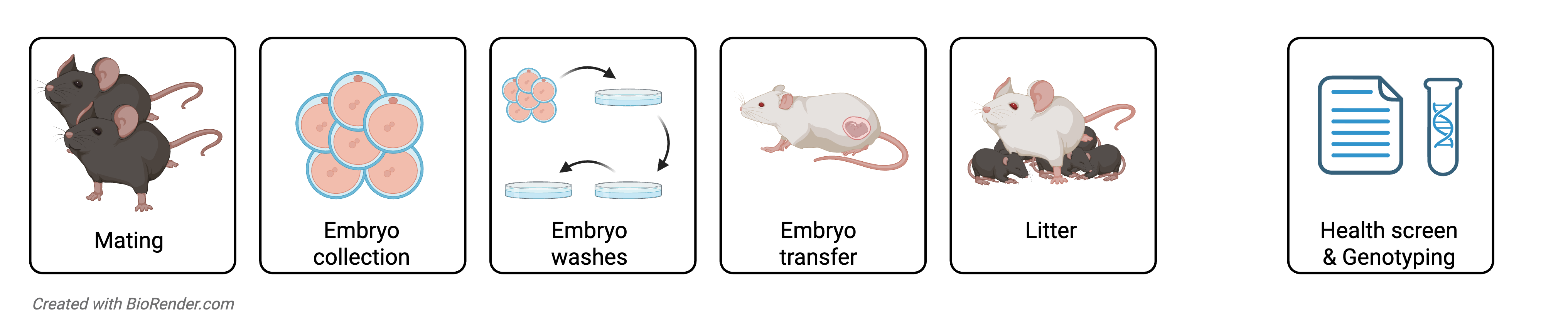
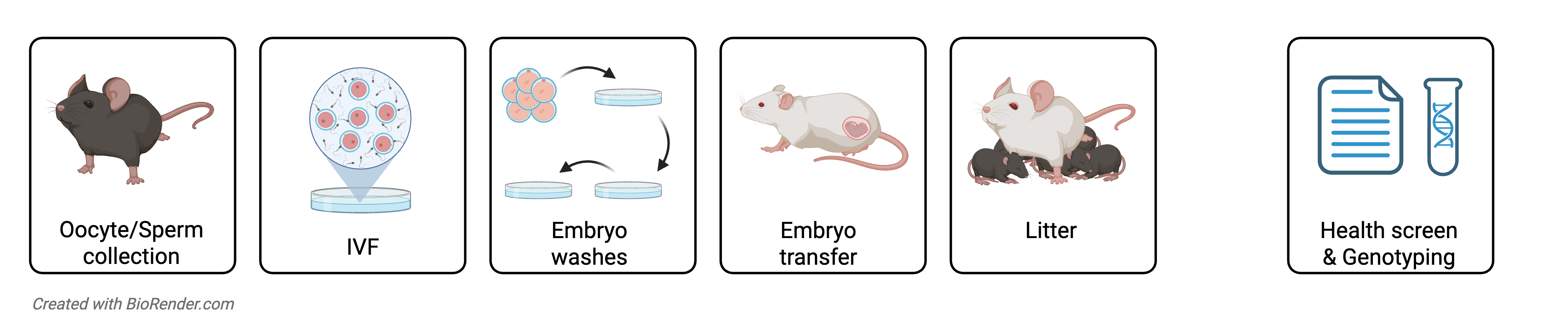
Within the Centre for In Vivo Modelling at the ICR, researchers use genetically engineered mice designed to carry the same mutations that drive human cancers and they develop patient-derived xenografts by transplanting human tumour tissue into immunocompromised mice. They are also employing mice that express human cytokines and adhesion molecules – key components of immune signalling – and transplanting human haematopoietic stem cells, which create all types of mature blood cells, to develop a more human-like immune system in mice.
Professor Kranc said: “We’re trying to recreate key parts of the human cancer-immune system. This doesn’t replace AI or organoids – it improves them. By learning which cell types drive cancer relapse or which toxicities limit dosing in vivo, we can design smarter in vitro systems, train better computational models and reduce animal use, all while improving prediction.”
From theory to practice
In drug discovery, for example, animal studies are never the first step. Research teams at the ICR assemble a strong in vitro evidence package – that the drug is hitting the correct target in cancer cells, that it works in the way researchers expect and shows no clear signs of harm – before any in vivo work begins.
When animal studies are needed, they are designed to answer questions using the smallest possible number of animals. Underpowered experiments with too small a sample size can waste time and resources, and most importantly the animals, as well as failing to advance science. Therefore, studies are meticulously designed for statistical power and humane endpoints – pre-set observable signs, such as changes to their appearance or behaviour, that signal the earliest point on when to end an experiment, even if the scientific goal is not fully met.
Refinement is not only about reducing the number of animals, but about how procedures are performed. The Biological Services Unit (BSU), which houses the ICR’s animal research facilities, and research teams across the institute are passionate about investing in improved surgical techniques and precision devices to target specific tissues, rather than the whole body itself, and the welfare of the animals housed across the institute.
Alexis De Haven Brandon, Research Manager for In Vivo Pharmacology in the ICR’s Centre for Cancer Drug Discovery, said: “We continuously refine techniques to reduce error and mirror clinical practice. One example is targeted small-animal irradiation, allowing us to treat the tumour rather than the entire body. Precision is a welfare gain – the closer the study resembles how care is delivered to patients, the lower the burden on the animal and the higher the clinical relevance.”
Replacement, reduction and refinement
All animal research at the ICR is governed by the UK Animals (Scientific Procedures) Act, passed by Parliament in 1986 and later revised in 2013, which regulates the use of animals for research. Researchers must hold personal licences and obtain project licences that define the scientific aims, justify animal use and specify permitted techniques. Each project undergoes ethical review and Home Office approval, with researchers required to demonstrate that non-animal in vitro methods were considered and that animal use is a last resort.
Glyn Fisher, Head of the BSU, said: “Licencing isn’t a formality. It involves months of scrutiny to ensure that alternatives are considered and the 3Rs are built into every project. Typical approval timelines can span six to eighteen months, with project licences generally running for up to five years.
“The BSU will review humane endpoints of proposed studies, provide the required training and track competency across the institute. We weigh scientific need against animal welfare where both are paramount and must work side by side.”
Model choice also matters. The BSU maintains more than 100 genetically engineered mouse strains in purpose-built facilities, tailored to answer specific questions such as which models are most suitable for particular tumour types. Choosing the most suitable model is more efficient and leads to clearer results with fewer animals.
To strengthen compliance, management and planning, the BSU is deploying a new digital in vivo database that will assist with the record keeping of the animals involved in research – improving oversight, transparency and coordination for both the researchers and the staff in the BSU.
From mechanism to medicine
Some in vivo studies involve inducing tumours to understand how cancers develop and respond to treatment – a reality that requires careful ethical oversight. These studies are not only about whether a treatment succeeds, but about understanding how it behaves, which tissues it affects and where risks may arise.
Alexis De Haven Brandon said: “The risk of skipping whole-body validation is far greater when safety mechanisms are not understood – particularly for systemic toxicities and immune-mediated effects that no single-organ platform can reliably capture yet.”
Professor Kranc said: “One of our strengths at the ICR is the bench to bedside pathway between the lab and clinic. We work closely with clinical teams at our partner hospital, The Royal Marsden NHS Foundation Trust, to determine which patient groups might benefit first, which toxicities matter most and how to design safer trials. This helps us avoid dead ends early – saving time, animals and ultimately benefitting patients sooner.”
Fewer animals and innovative science
Despite advances in alternatives to animal research, there are still critical questions in cancer research that can only be answered in a living organism – particularly how drugs behave across multiple organs, how tumours interact with the immune system and how toxicities emerge over time.
Animal studies are performed when these questions cannot be resolved any other way, and only after strong in vitro evidence exists. In vivo research remains a necessary bridge between laboratory discovery and safe, effective treatments for patients.
At the ICR, animal research is not an end in itself. It’s a means to achieve better science with fewer animals and not less science with fewer answers. By making animal models more human-relevant and feeding those insights into organoids, AI tools and other emerging non-animal technologies, we aim to reduce animal use over time while improving the quality and relevance of the science. The goal is a future where innovation and compassion advance together, and where patients benefit from research that is both rigorous and responsible.
Find out more about animal research at the ICR including usage statistics, animal welfare and the Concordat on Openness on Animal Research – a UK initiative of scientific organisations who carry out animal research and pledge to offer the public greater information about their animal research – which the ICR signed in 2014.