
DNA Day marks the anniversary of two important events in the history of genetics – the publication of the discovery of the DNA double helix in 1953, and the completion of the Human Genome Project in 2003. It is celebrated every year on April 25 to champion the remarkable scientific discoveries made possible by genetic research, and highlight the ongoing impact of genetics in science and medicine.
At The Institute of Cancer Research (ICR), genetic research is a fundamental part of what we do. Understanding the role DNA plays in why cancer develops and spreads is essential to advance research and accelerate discoveries for patients.
What is DNA?
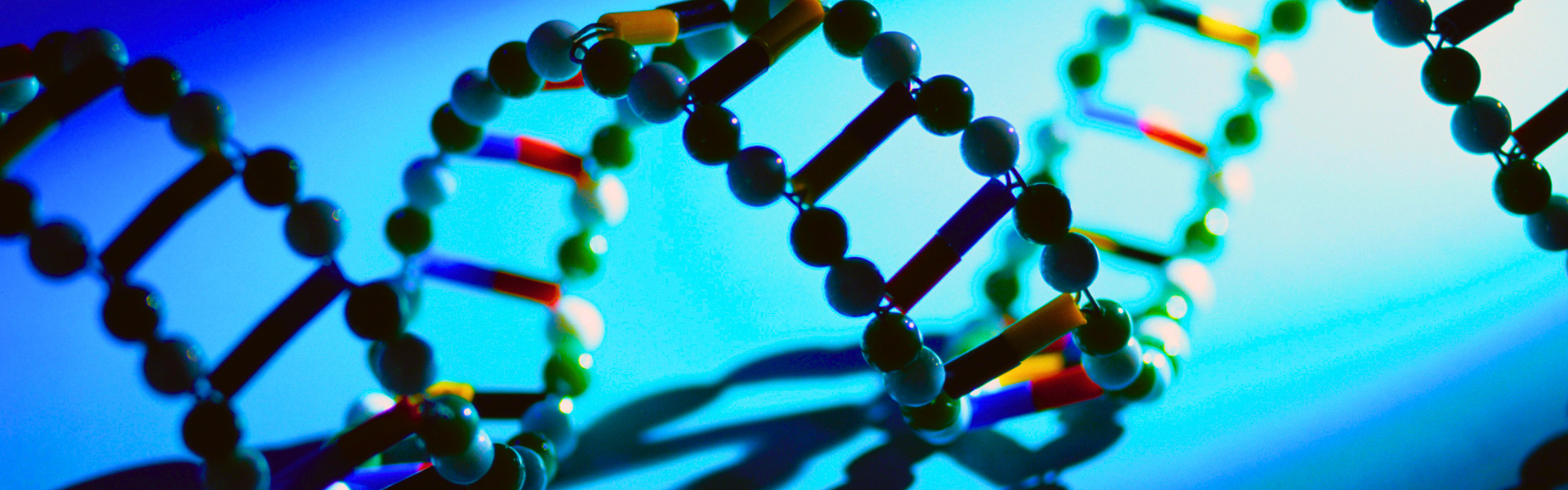
DNA (deoxyribonucleic acid) is a molecule inside our cells that carries genetic instructions for how the body is built and functions. It works like a biological instruction manual, telling cells how to grow, divide and repair.
DNA - the cornerstone of cancer research
Understanding DNA is the cornerstone of cancer research. DNA controls how cells grow and divide, but if DNA is damaged or copied incorrectly, it can lead to harmful changes. These changes can drive diseases such as cancer, which is why genetic research is vital for prevention, diagnosis and treatment. Understanding the genetic make-up of cancer is also crucial for providing more targeted treatments and improving outcomes for patients.
A long track record of success
The ICR has been at the forefront of genetic research for decades. ICR scientists were the first to make the link between DNA damage and cancer, paving the way for the now universally accepted idea that cancer is a genetic disease.
And it was our researchers who discovered the BRCA2 breast, ovarian, pancreatic and prostate cancer gene, helping people with the genetic mutation make informed decisions to reduce their cancer risk.
Today, our scientists are still leading the way in cancer genetics. Building on our long history of breakthroughs, we continue to make significant strides in the lab, driving research that that will lead to innovative new therapies and bring hope for people with cancer.
Read about three of our recent pioneering DNA discoveries below.
Map of DNA changes improves treatment options
ICR scientists helped build the most detailed map to date of the DNA changes that fuel cancer development – opening the door to extending precision treatments to thousands more patients. They analysed data from nearly 11,000 cancer patients in Genomics England’s 100,000 Genomes Project, looking at millions of mutations across 16 different cancer types. This identified 134 distinct “mutational signatures” – patterns of DNA damage that reveal the processes that drive cancer’s development – including 26 signatures not seen before.
One of the most significant discoveries was the high number of cancers showing signs of homologous recombination deficiency (HRD) – a DNA repair weakness that makes tumours particularly vulnerable to PARP inhibitors and platinum‑based chemotherapy.
1950s tumour samples could solve modern cancer mystery
Preserved tumour samples from the 1950s and 60s could help reveal why bowel cancer cases are rising in the under-50s. In the Boomers Project, ICR researchers will study the DNA of tens of thousands of tumour samples dating back decades, and compare it to the DNA of cancers diagnosed today.
Different environmental exposures, such as smoking or diet, can leave distinctive patterns of DNA damage in tumours. The researchers plan to use genome sequencing techniques – including novel approaches developed at the ICR – to map how the DNA is altered in the cancer specimens from the 1950s compared to cases from the present day. By analysing what has changed over the decades, the team hopes to identify clues to the environmental and biological factors driving the rise in early-onset disease. In time, this could inform future strategies for prevention, earlier diagnosis and more tailored treatment.
Our research is giving everyone with bowel cancer the hope of a cure and, potentially, preventing the disease from developing in the first place. Give a regular gift today to help us make more discoveries and save more lives.
DNA repair research could improve existing cancer treatments
Our DNA is continually being damaged, and cells rely on specialised repair mechanisms to fix it. ICR researchers have uncovered how a key DNA repair enzyme is recruited and activated inside cells, answering long-standing questions about how cells protect and repair DNA, and providing the structural groundwork that could help improve existing cancer treatments.
DNA repair pathways are essential for normal cells, but they can be exploited by cancer cells for survival and growth. Our researchers plan to use AI to explore how to disrupt or enhance certain connections between repair enzymes. With further research, this could help scientists discover how to manipulate DNA repair in cancer cells, preventing them from dividing and spreading.
Celebrating the science that is defeating cancer
From decoding DNA damage to uncovering how DNA repairs itself, and even learning from decades-old tumour DNA, our genetic research continues to shape how we understand and treat cancer.
This DNA Day, we’re celebrating the science that made these breakthroughs possible, and the progress that is still to come.