

“It all started when I was 58. I didn’t have any symptoms – apart from needing to go to the toilet a lot.
At night, I was trying to pee, couldn’t, then went back to bed and the next minute needed to get up again. And I thought, ‘well, this is a bit odd’, so I went to the doctors.
There’s no national screening for prostate cancer, but you can have a blood test that measures your Prostate-Specific Antigen (PSA) that can be an indicator of prostate problems. I was tested, then got the phone call from my doctor that nobody wants - my GP said, ‘We need to see you now’, as in the following day after the test.
My PSA was 649 – a normal reading would have been 4 for a man of my age.
Everything happened very quickly after that and within a couple of weeks I had a biopsy followed by scans.
I was diagnosed at stage 4 – the cancer had spread to my lymph nodes and sternum. I was told I had a 25 per cent chance of living five more years. My reaction? I thought I’d better make the most my life while I still could.
Then my consultant specialist asked me whether she could put me forward for this drug trial and I thought, ‘Well, why the hell not?’ - because it was obvious that it was really bad.
“My family and I are so grateful”
Looking back now, I can see that I was very lucky to go on the STAMPEDE trial because it saved my life. I had a very high PSA, and the cancer had already moved around my body. It was my first realisation that as I was of mixed race (half African / British) I was at much greater risk of contracting prostate cancer.
As part of the trial I was treated with abiraterone and Zoladex, which both reduce testosterone. Within a very short period, my PSA had dropped from 649 to less than 1, where it stayed for some years, enabling me to carry on working a fairly physical job and conduct a normal family life - that's how good that combination of drugs was. My family and I are so grateful and I hope the trial has been helpful to subsequent patients.”
My diagnosis was a shock, but within a day or two I just thought, ‘Well, I don’t feel any different’, and I just got on with it as if nothing was happening.
I’m a domestic appliance engineer and it’s quite a physical job because you're lifting heavy machines around all the time. But it didn't affect me at all. The year after I was diagnosed, I launched my own business, and I did what I had to do to get it off the ground.
I did have moments of slight depression very early on, but it quite quickly dissipated. And I did get side-effects from the treatment – tiredness for one – but I managed to set them aside. My family and I were still going on decent holidays. I'm a bit of a petrolhead, so I was still riding my bikes and messing about with cars.
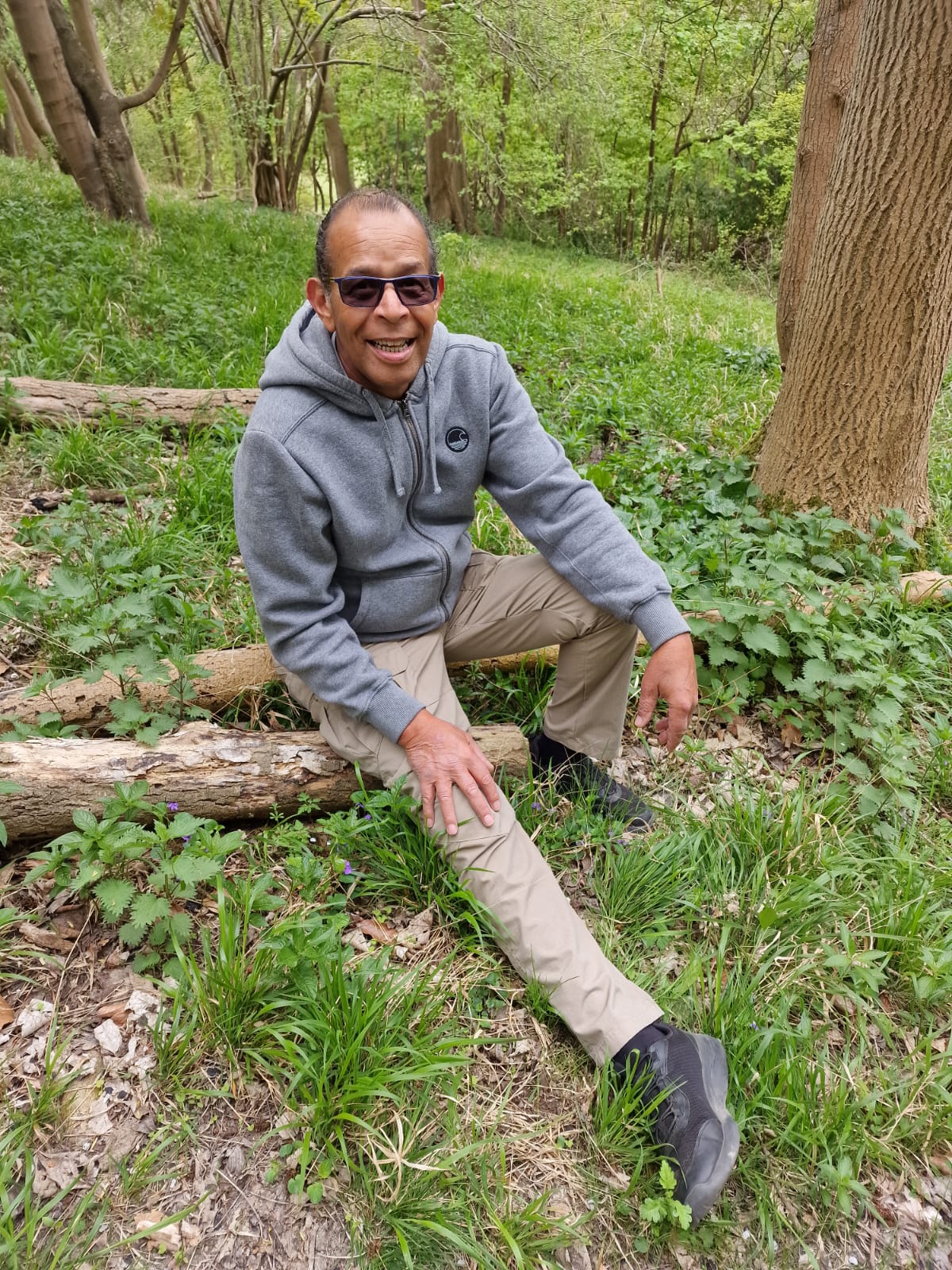
“I’m thankful the treatment worked”
I know people are worried about me. My wife said she didn’t think I had come to terms with the fact that I had cancer. But I said, “I’m not going to sit in the corner and quiver. That's not me, is it?”
The way I see it, I’m living my life despite my cancer diagnosis. The doctor told me that I must have had it for many years without any real symptoms.
The treatment worked - I was thankful for that - and I carried on working right up till the day, in 2022, when my PSA started to rise again to 3.4.
At that point, I was taken off abiraterone. I figured I’d had a good run on it and I’d already been taken off Zolodex a few years before. We were discussing what my next treatment would be when I was diagnosed with leukaemia - which complicated things a bit!
I had to have a blood transfusion and then in March 2023, a stem cell transplant from my son – I was so grateful that he could do that for me. But I was in hospital for weeks after that, and in a bad way. By that stage, my wife and I had decided to part ways, and my divorce was finalised while I was still in my hospital bed.
After my treatment for leukaemia, which appears to have been successful, I was able to have treatment for my prostate cancer again.
“People who meet me can’t believe I’ve faced cancer twice”
In October 2023, it was confirmed that the prostate cancer had got worse, and I had twenty rounds of radiotherapy on a daily basis, for five weeks.
In January 2025, a body scan showed that the cancer had progressed again in my lymph nodes. I was treated with ten rounds of chemotherapy – and my latest scan was normal. When people meet me, they say they can’t believe I’m 70, let alone having faced two cancer diagnoses. Through the treatment I’ve lost my eyebrows, eyelashes, and underarm hair, but I’ve managed to keep what was on my head!
I’m keeping strong as well. I've taken up walking, and the furthest I've walked so far is 15.2 miles in a day. I love travelling and I’ve got a few trips planned later this year in my caravan.
I live on a caravan site currently and I do odd jobs for people on the site so that keeps my mind ticking over too.
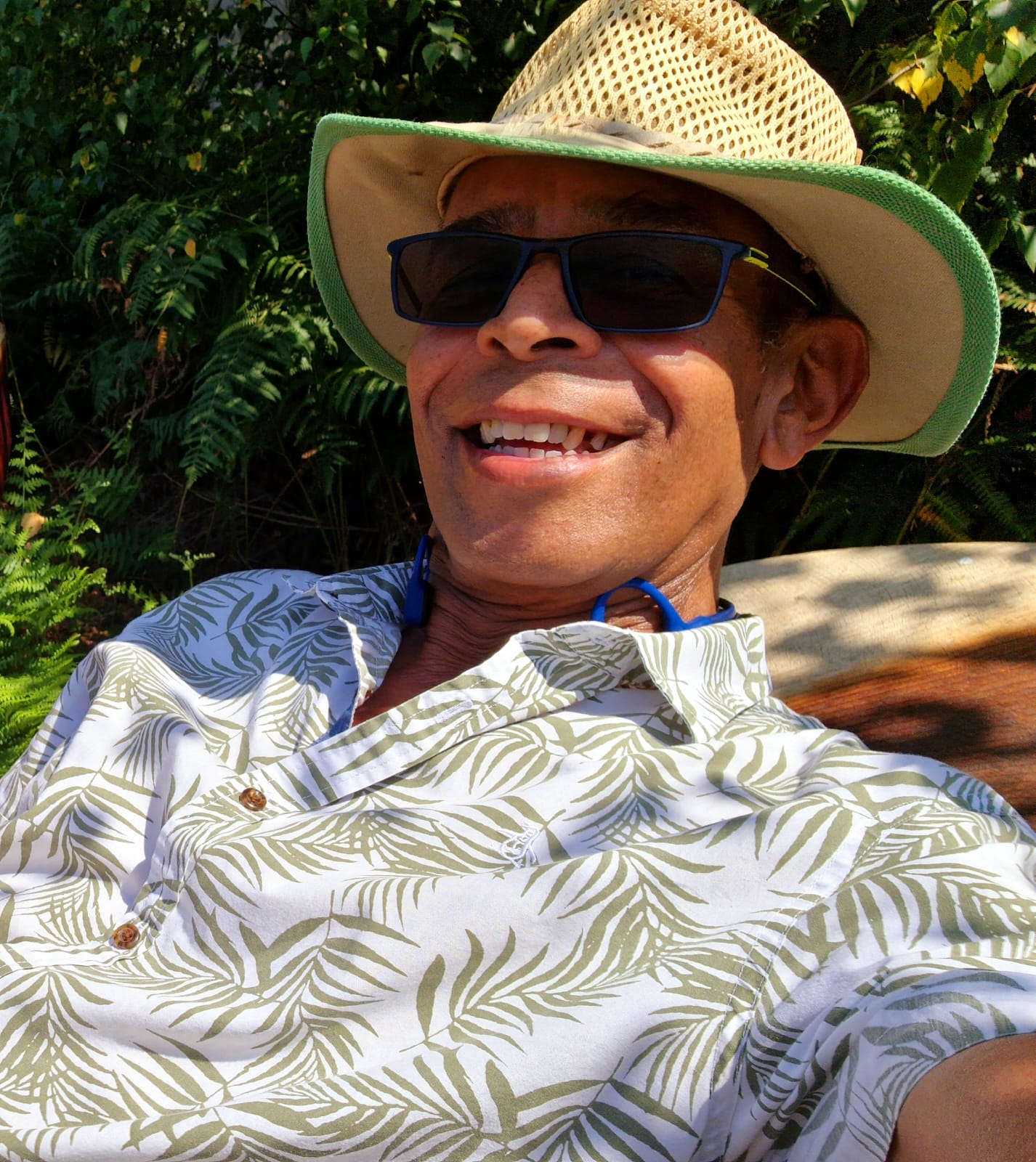
“Find that positivity – it’s a light bulb of hope”
Now I notice men who need to go to the toilet a lot and I speak to them, to try and get them to get tested at every opportunity I can. Maybe I talk about it too much, but I will carry on because we've all got men within our family and friends, and that one conversation that might save someone's life makes it worthwhile.
I know we’re all different and that treatment affects us all in many ways, but it’s important to get your own head right if you can. I understand, I’ve grown up in difficult times, in a difficult family, and it has helped me to try and find that positivity. You’ve got it in there, and once you start nurturing it a little, you start feeling the benefits - it's a light bulb of hope.
Most importantly, you, family, and friends need to make sure that any man within your circle is aware that cancer can be a silent killer, quite often with no symptoms. Getting tested is, in my view, the best way to try and safeguard your future.