For many researchers, patient and public involvement and engagement (PPIE) becomes part of the process once a project reaches the clinical trial stage. But for researchers in Dr Adam Sharp’s group, those conversations are starting much earlier.
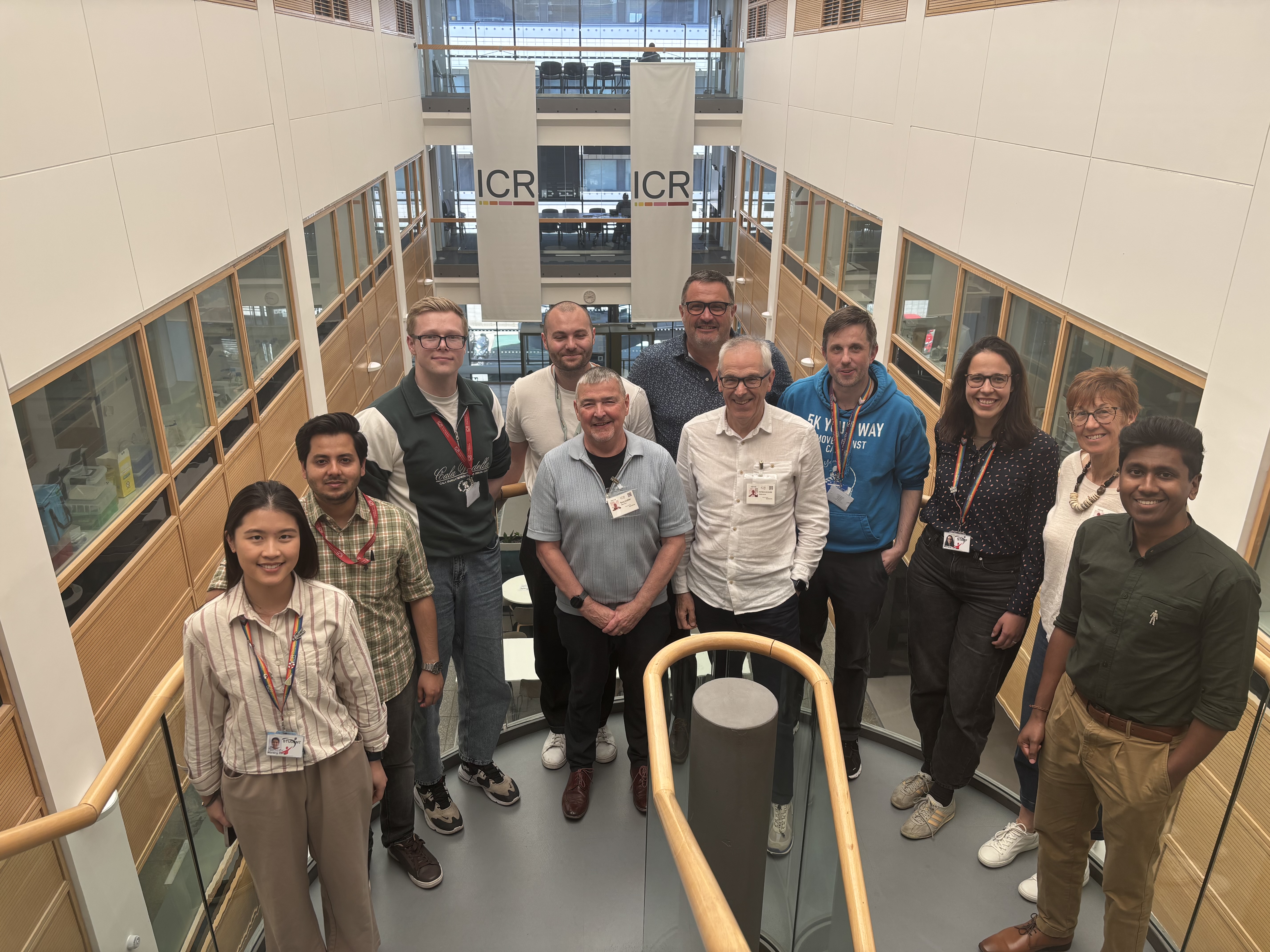
Recently, researchers from across the group met with a PPIE panel made up of people with lived experience of prostate cancer, including those diagnosed at both early and advanced stages of the disease, carers, and a representative from Prostate Cancer UK, which helps fund some of the research taking place.
The group has been meeting for several years and is gradually moving further towards co-production, helping to shape how research develops, not simply responding to finished ideas.
From bench to bedside
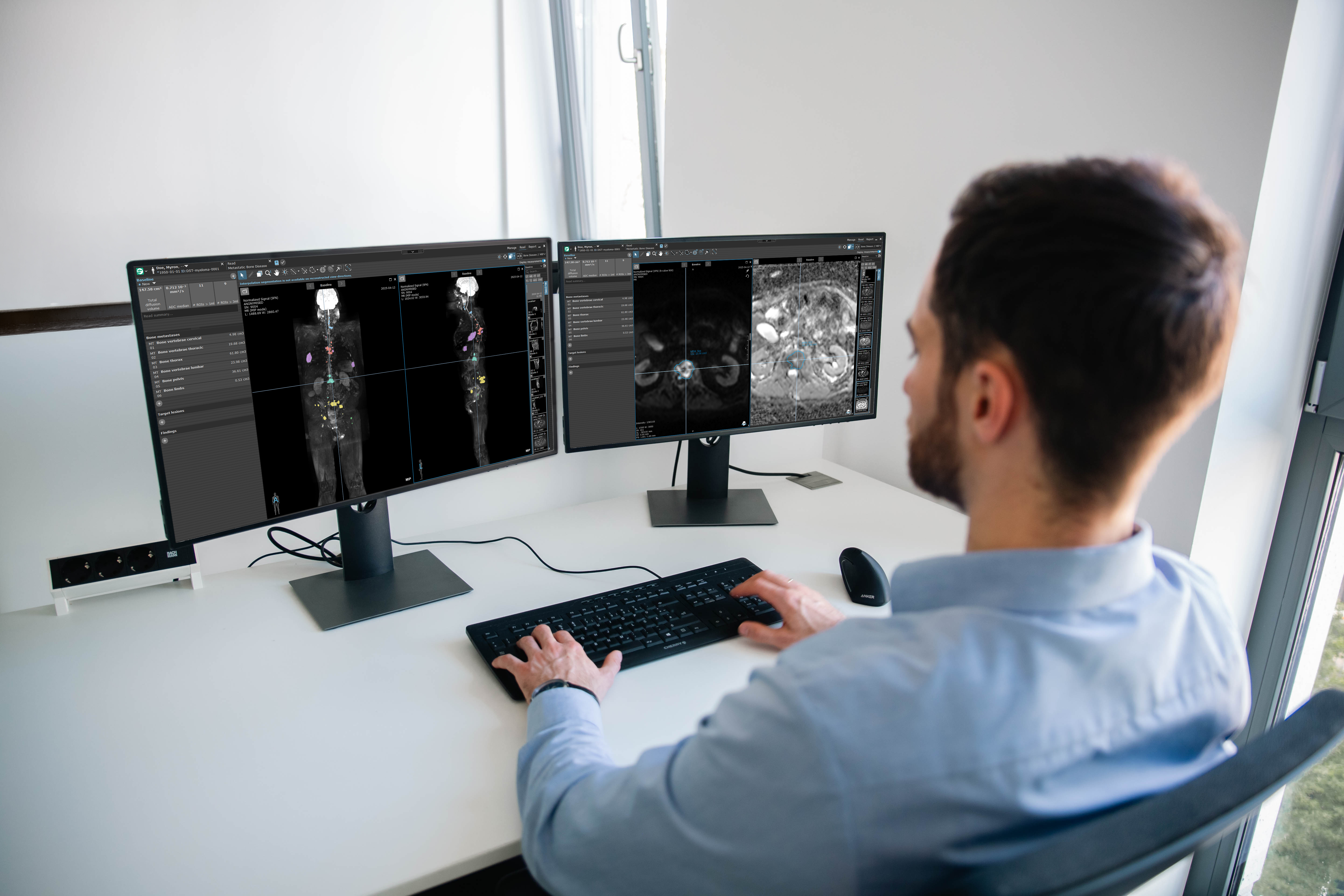
Adam’s team research focuses largely on the biology of advanced prostate cancer. His lab works to interrogate how prostate cancer functions at a biological level, asking fundamental questions about why cancers behave differently and how treatments might be improved.
Reflecting on the environment at the ICR, Adam described how uniquely connected research and clinical practice are here.
“If something works in cells, we can quickly move to test it in clinical trials. That bench-to-bedside connection is really special.”
Yet despite the clear importance of this type of work, there is still relatively little PPIE involvement at the earliest, pre-clinical stages of research.
That is something the group is actively trying to change.
Research priorities shaped by lived experience
Rather than a formal presentation, the meeting took the form of an open and lively discussion. Researchers shared projects in development and invited direct feedback on where the science should go next.
Questions from the panel repeatedly returned to the realities of patient experience.
How invasive would a procedure be?
Would it cause pain or distress?
How easy would it be to obtain samples?
How toxic might a treatment become?
How many patients could realistically benefit?
There was also a strong call for urgency, including discussions around repurposing drugs that are already available, potentially accelerating how quickly treatments could reach patients.
One of the themes that regularly emerges during discussions around advanced disease is hope. As Sue, one of the panel members reflected, “research is where hope starts”. That perspective shaped many of the conversations in the room, reminding researchers that behind every scientific question sits a very human desire for more time, more options and a better quality of life.
For researchers in the room, these conversations were not theoretical.
Joe, one of the researchers in the team, reflected on how the group’s feedback had already influenced the direction of his work. Discussions with patients helped prioritise research focused on advanced disease and encouraged exploration of repurposed drugs. Their feedback also changed how he communicated complex biology, pushing the team towards clearer visuals, simpler explanations and stronger analogies.
Making complex science accessible
Throughout the session, researchers used vivid analogies to explain challenging concepts, comparing ribosomes to machines on a factory floor and using different versions of scrambled eggs to explain protein splicing.
Those with lived experience emphasised how valuable that approach was.
They reflected on the importance of storytelling, infographics, accessible language and recognising that scientific jargon can quickly become a barrier to participation.
Patrick, one of the contributors summed it up simply:
“You’ve made really complex science understandable.”
Researchers explained that they were there not only to share their work, but also to demonstrate how previous discussions had already shaped decisions within the lab and to discuss where the research programme should go next, together.
Training the next generation
The meetings also play another important role: helping early-career researchers build confidence in meaningful public involvement from the start of their careers.
For Adam, this is becoming an increasingly important part of developing future cancer research leaders.
“Researchers who engage with PPIE genuinely see the value it adds to their work.”
As the discussion closed, one thing became particularly clear: involving patients earlier does more than improve communication. It helps shape the questions researchers ask in the first place.
And in a field as complex and urgent as prostate cancer research, that shift could make all the difference.