Signal Transduction and Molecular Pharmacology Group
Professor Paul Workman’s Group is a key part of the Centre for Cancer Drug Discovery and focuses on the mechanisms of molecular cancer therapies.
Research, projects and publications in this group
Professor Workman's personal research laboratory, the Signal Transduction and Molecular Pharmacology Group, focuses on the molecular pharmacology and mechanism of action of innovative molecular cancer therapeutic agents. There is particular emphasis on exploiting stress and chaperone pathways and also on oncogenic signal transduction pathways as targets for new drugs.
Professor Paul Workman
Group Leader:
Signal Transduction and Molecular Pharmacology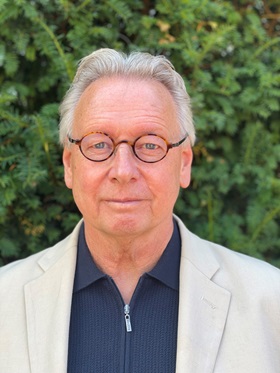
Professor Paul Workman is a passionate advocate of personalised molecular medicine, and is an enthusiastic practitioner of multidisciplinary cancer drug discovery and development approaches to ‘drugging the cancer genome’.
Researchers in this group
 .
.
Professor Paul Workman's group have written 779 publications
Most recent new publication 7/2025
See all their publicationsOur group, focuses on the molecular pharmacology and mechanism of action of innovative molecular cancer therapeutic agents. There is particular emphasis on exploiting stress and chaperone pathways and also on oncogenic signal transduction pathways as targets for new drugs.
We collaborate with other groups in the Centre for Cancer Drug Discovery and the ICR, particularly with the screening, biology and medicinal chemistry groups, to identify new chemical tools and design potent and selective drug candidates. For example, the group carried out the cellular and molecular pharmacology work to discover the leading HSP90 molecular chaperone inhibitor NVP-AUY922 and the leading PI3 kinase inhibitor GDC-0941, both of which are now showing promising activity in Phase I clinical trials.
We use chemical tools and drugs alongside molecular genetic technologies to identify and validate drug targets as well as predictive and mode of action biomarkers. We employ a combination of hypothesis-driven approaches together with genome-wide screening and chemical library strategies to interrogate cancer biology and discover innovative small molecule agents that exploit the addictions, dependencies and vulnerabilities of cancer cells. This approach is referred to as “drugging the cancer genome”.
We collaborate with clinical colleagues in the Unit, the ICR and The Royal Marsden to support the clinical assessment of new drugs in hypothesis-driven biomarker-rich clinical trials. There is strong emphasis on the use of the “Pharmacological Audit Trail” that was conceptualised by Professor Workman.
Overall, our objective is to improve the lives of cancer patients through the discovery and development of personalised molecular medicines.
Recent discoveries from this group

New study reveals key enzyme as hidden driver of cancer stress responses

Drug discoverer Paul Workman awarded OBE in New Year’s Honours list
.png?sfvrsn=38d02ad6_1 "PW head and shoulders in garden_expand.jpg (1)")
The ICR’s Professor Paul Workman elected Fellow of the American Association of Cancer Research Academy