Induced Proximity Therapeutics Group
Dr Konopacka's research group focuses on discovery of novel targeted protein degradation therapeutics providing core biology expertise to the Centre for Protein Degradation.
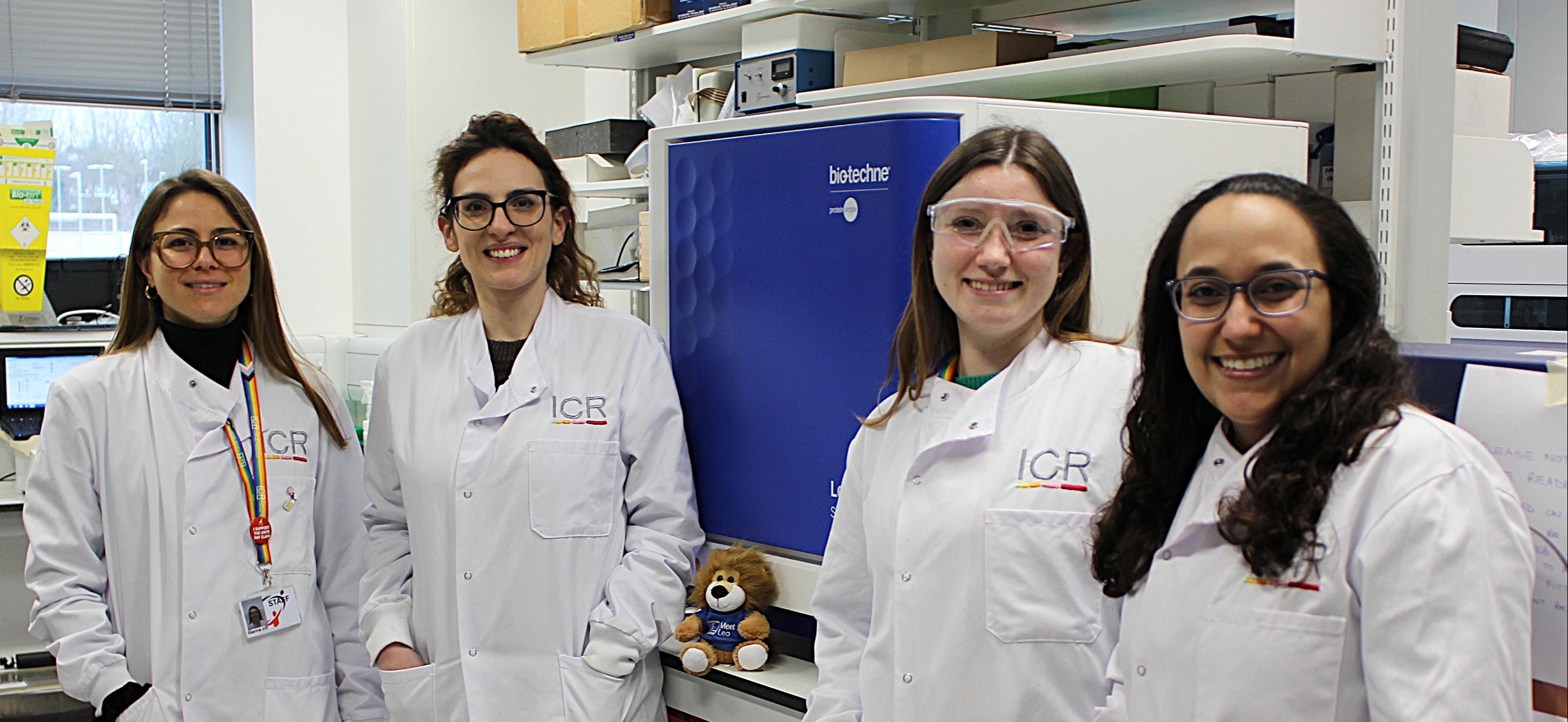
Research, projects and publications in this group
Our group focuses on biology aspects of targeted protein degradation drug discovery and supports the Centre for Protein Degradation in the following areas of research:
1) screening, profiling and molecular mechanisms
of action of molecular glue degraders and PROTACs;
2) enabling novel E3 ligases
for therapeutic applications;
3) target identification and validation.
We are interested in developing innovative induced proximity technologies that expand druggable target space and can generate better and safer treatments for cancer patients.
The IPT team benefits from the extensive cancer research expertise at the ICR, the Royal Marsden Hospital and the Centre for Cancer Drug Discovery, and works closely with medicinal chemists, structural biologists, biophysicists and computational scientists at the CPD, biotech and pharma industry.
Dr Agnieszka Konopacka
Group Leader:
Induced Proximity Therapeutics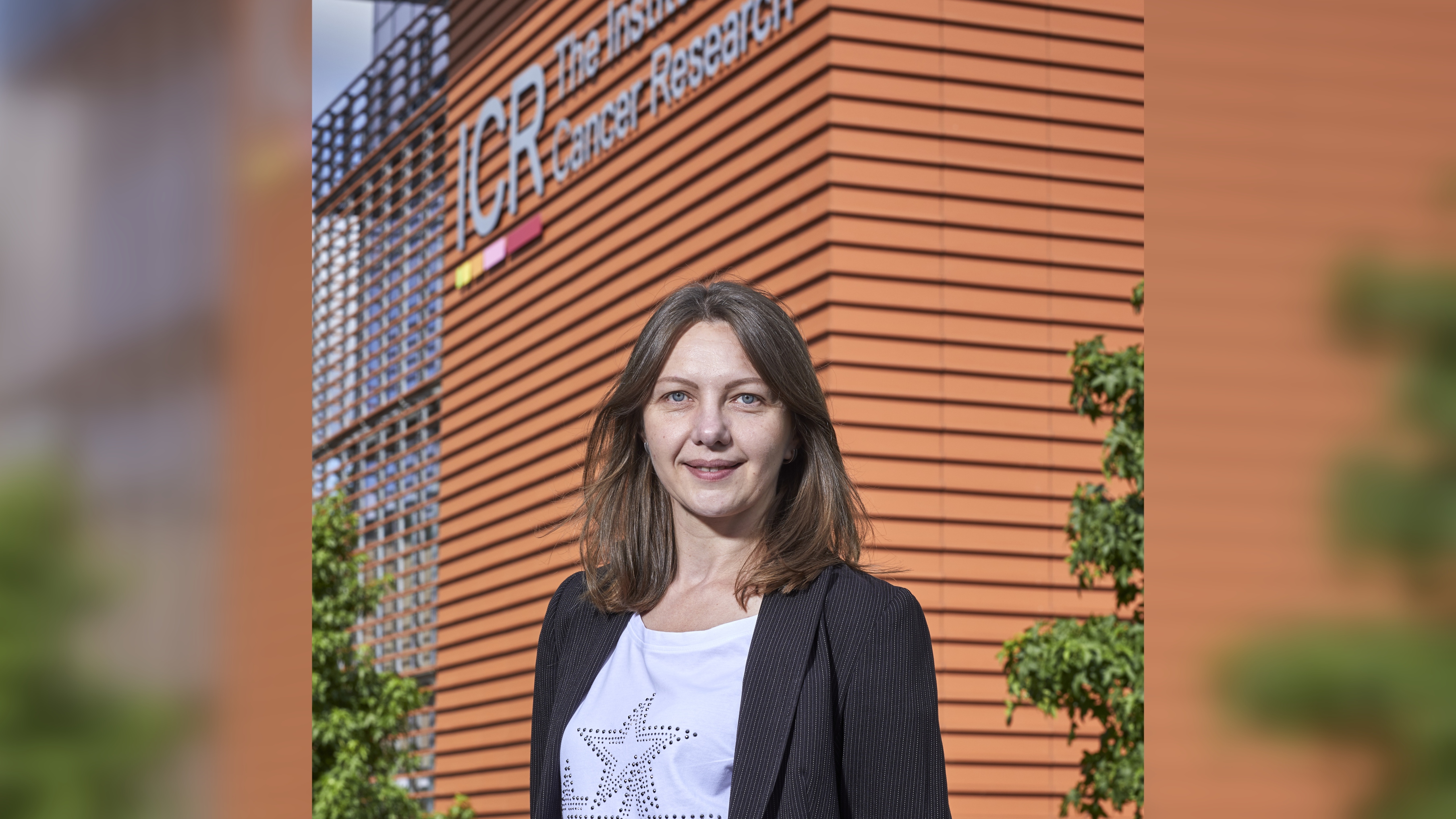
Dr Konopacka is the Biology Lead at the Centre for Protein Degradation and Group Leader of the Induced Proximity Therapeutics Group at the Centre for Cancer Drug Discovery.
Researchers in this group
 .
.
Email: [email protected]
Location: Sutton
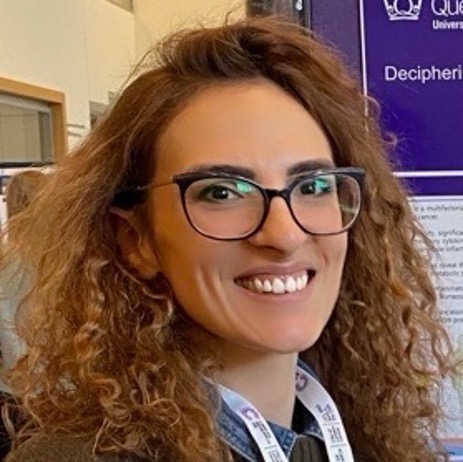
Paola joined the ICR in October 2025 as a Higher Scientific Officer in the Induced Proximity Therapeutics group. She graduated from the University of Naples “Federico II”, where she subsequently completed a PhD in Molecular Medicine and Medical Biotechnology, focusing on novel therapeutic strategies targeting the NF-κB pathway in thyroid cancer. During her PhD, she spent nearly two years at Imperial College London, where she was involved in pharmacodynamic analyses for a Phase I clinical trial. She later moved to the Barts Cancer Institute, Queen Mary University of London, where she investigated the crosstalk between adipocytes and cancer cells using patient-derived models. Her current work focuses on target validation utilizing CRISPR gene editing technologies, developing screening assays and mechanistic profiling of novel molecular glue degraders for cancer treatment.
 .
.
Email: [email protected]
Location: Sutton
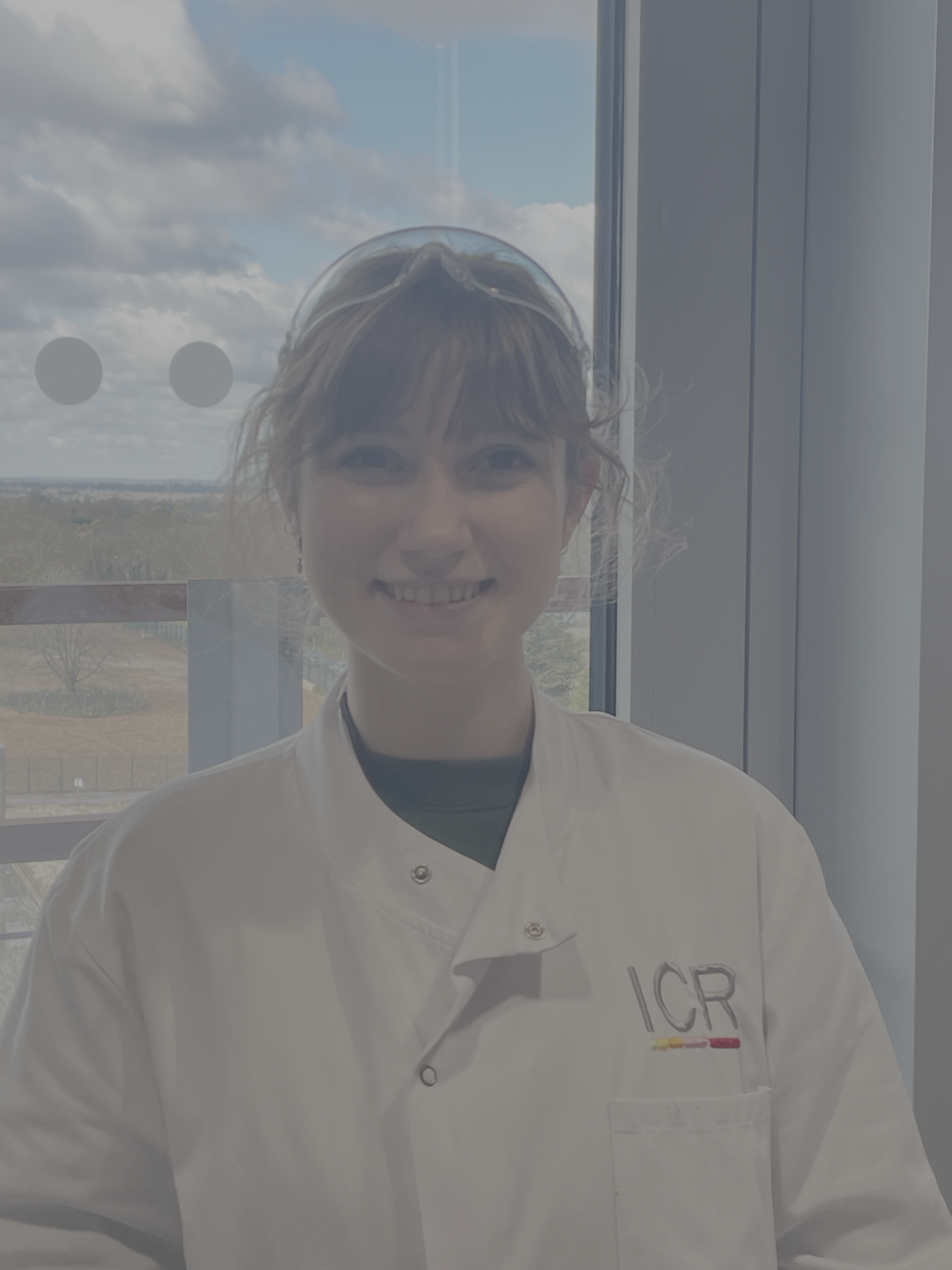
Grace joined the ICR in October 2025 as a PhD student in the Induced Proximity Therapeutics group. Previously she worked at Wellcome Sanger Institute where she focused on high-throughput drug screening and CRISPR/Cas9 knockout studies to identify novel oncology targets. She completed her BSc in Biomedical Sciences at the University of Manchester with a placement year in industry at Imagen Therapeutics, where her research focused on developing personalised treatments for cancer patients. Her current research project focuses on characterising novel E3 ligases for targeted protein degradation.
 .
.
Email: [email protected]
Location: Sutton
Bryony joined the IPT team in February 2025 as a Postdoctoral Training Fellow. She completed her PhD at the Patrick G Johnston Centre for Cancer Research in Belfast under the supervision of Dr Lisa Crawford and Dr Rich Williams where she characterised novel inhibitors of the E3 ligase HUWE1 for the treatment of multiple myeloma. Bryony is currently focusing on target validation for CRBN molecular glue degraders and development of novel induced proximity technologies.
 .
.
 .
.
Email: [email protected]
Location: Sutton
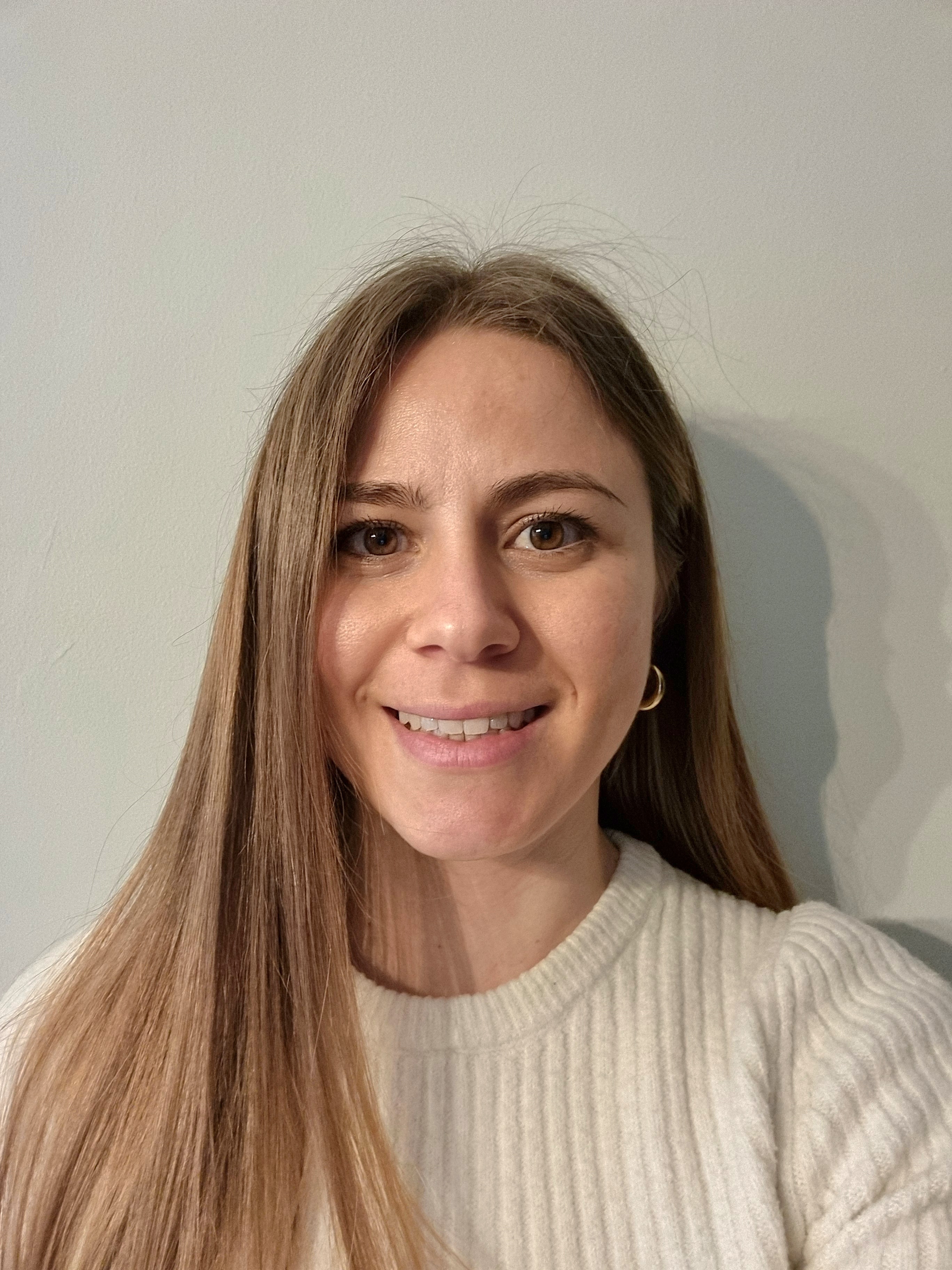
Chelsea joined the ICR in August 2025 as a Higher Scientific Officer in the Induced Proximity Therapeutics group. She completed her PhD at Harvard University under the supervision of Dr Nathanael Gray and performed her dissertation research at the Dana-Farber Cancer Institute where she studied small molecule inhibitors, PROTAC degraders, and molecular glues as novel probes and therapeutics for various cancer targets. Her postdoc work at Harvard Medical School focused on developing cellular assays for identifying endogenous human targets of small molecule metabolites produced by the gut microbiome. At the CPD, she uses her chemical and molecular biology expertise to develop innovative cancer drug discovery technologies based on endogenous protein-protein interactions.
 .
.
Email: [email protected]
Location: Sutton
Ilianna is a molecular biologist with over a decade of experience in cancer research. She earned her PhD in Molecular Oncology from the National and Kapodistrian University of Athens in 2019, where she investigated HER2–RANK signaling interactions in breast cancer, uncovering mechanistic insights and therapeutic synergies. In 2021, she joined the Jacquemin’s group at the de Duve Institute (UC Louvain) as a postdoctoral researcher, leading a multidisciplinary project that identified cell-of-origin signatures and lineage-specific vulnerabilities with therapeutic potential in pancreatic cancer. Combining expertise in wet-lab experimentation and bioinformatics, her work spans molecular and cellular biology, in vivo and in vitro cancer models, and large-scale omics data analysis to discover biomarkers and therapeutic targets. Ilianna is dedicated to advancing cancer treatment through impactful translational research. In the IPT team she supports target validation and pharmacological characterisation of novel molecular glue degraders for cancer treatment.
Dr Agnieszka Konopacka's group have written 14 publications
Most recent new publication 10/2023
See all their publications- Dr Sascha Roth
Recent discoveries from this group
.tmb-hbmobile.jpg?Culture=en&sfvrsn=7f7711c7_1 "Simple Western™ Leo™ System team")