
Tales from the Lab
Find out what's going on at the front line of cancer research as ICR researchers — including PhD students, postdocs and clinical fellows — let you inside their labs and show you their science.
.png?sfvrsn=eb8a9330_1 "_blogsnews banner template (3)")
Science Writing Prize 2025 - Clarity, not charity: widening diversity in clinical studies benefits everyone
In the 1950s, Kodak sold almost all of the colour photography film in the United States. As printing services became more widespread, they needed to ensure that their machines were correctly calibrated and produced the correct skin tones, shadows and light in photographs. Kodak developed a solution. They started providing printing labs with kits containing colour prints and negatives of Shirley Page, one of their studio models. These 'Shirley cards' quickly caught on and were soon being used all over the world, becoming a byword for colour photography calibration. They worked well for their target population: largely white, middle-class Americans. However, people with black or brown (or even tanned) complexions found their images were blotchy and washed out, or that they blended into the backgrounds. Photographs of Black and White people in the same shot often turned out partially over- or under-exposed. The problem was so severe that filmmaker Jean-Luc Godard refused to use Kodak film to shoot in Mozambique, declaring it “racist”.

Science Writing Prize 2025 - The Cancer Police
Cancer is the most insidious of organised crime networks that threatens to ruin our city. In taking this oath, you are promising to patrol the trillions of cells that are the building blocks of this body, and to identify and neutralise threats before they take root. Do not underestimate cancer, for it is a cunning master of disguise with a constantly evolving strategy.
.png?sfvrsn=3e1f413c_1 "_blogsnews banner template (1)")
Science Writing Prize 2025 - Disarming rather than attacking: What if treating cancer isn’t about hitting it harder?
What if the future of cancer treatment isn’t about attacking cancer more forcefully, but about quietly taking away what it relies on to survive?
Science Writing Prize 2024 - The Seemingly Endless Quest to Target Cancer's Weaknesses: The Search for Multiple Achilles’ Heels.
Cancer is a concept that has, unfortunately, become all too familiar to many of us. The fears, the struggles, the tears - we've been through it all. My own motivation for studying cancer is because my mother and her sisters all succumbed to it (each with a different type, no less). It doesn’t help that, traditionally, the “cure” hurts as much as the disease; we’ve long had to grapple with balancing the toll of chemotherapy and radiation therapy with the promise of having even just a bit more time with our loved ones. But what if there's an alternative approach that can offer better odds while also being less painful for patients? Let's talk about our ongoing quest to target cancer's weaknesses, the battles we’ve won, and why we shouldn’t lose hope against this relentless adversary.
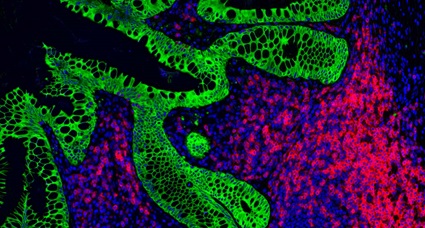
Science Writing Prize 2024 - Designer cellular therapies for solid cancers: Science fiction or reality?
When I first started as a research fellow in a laboratory producing designer anti-cancer immune cells, my initial thought was that it was more akin to science fiction than the National Health Service. The process, however, did make sense on paper; take ineffective immune cells from the blood of patients with active cancers, genetically modify in a laboratory to target towards the patient’s tumour, activate and expand up to numbers in the order of billions, then administer them back to the patient; all in an attempt to ‘reprogramme’ anti-cancer immunity.
Science Writing Prize 2024 - Back to the future: How new approaches could revolutionise old cancer treatments
Around the time the Human Genome Project was completed, there was considerable optimism for the future of healthcare. Grand claims were made. Time magazine declared in July 2000 that we would have “precise genetic definitions that make diagnosis sure and treatment swift”. Twenty years on, we are still waiting, although the collective understanding of the biological complexity of cancers has improved. (Mostly, we understand that cancers are far more complex than originally thought.)
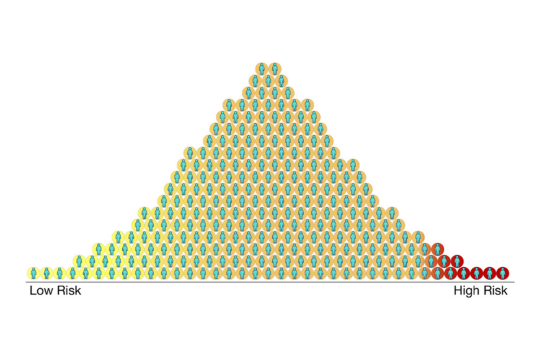
Science Writing Prize 2022 – Polygenic Risk Score
Dr Catherine Huntley explores the clinical potential of cancer risk scores in this piece shortlisted for the 2022 Mel Greaves Science Writing Prize.
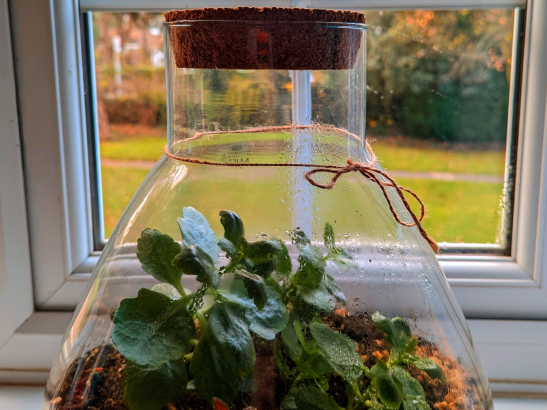
Science Writing Prize 2022 – Unsealing the terrarium
Dr Vivian Dimou uses a terrarium as a metaphor to describe the cancer ecosystem in this piece shortlisted for the 2022 Mel Greaves Science Writing Prize.

Science Writing Prize 2022 – Even in death, there can be hope; utilising the post-mortem to advance brain tumour research
Dr Matt Clarke presents a case for the need to have difficult conversations with families about post-mortems to inform future medical advances in this winning piece of the 2022 Mel Greaves Science Writing Prize.
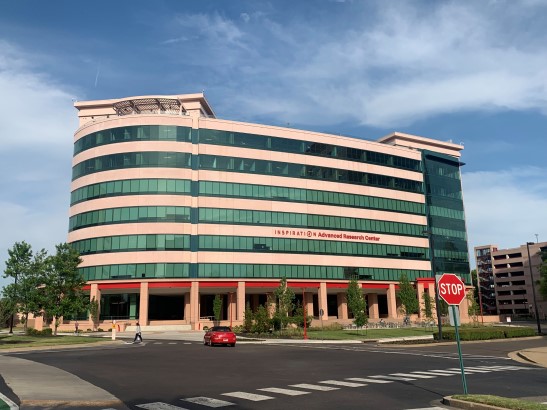
Visiting St. Jude Children’s Research Hospital – discovering different approaches to pathology and childhood cancer research
For National Pathology Week, Dr Matthew Clarke from our Glioma team, and a trainee neuropathologist, shares his experiences of visiting and learning from colleagues at the renowned St. Jude Children’s Research Hospital in the US.
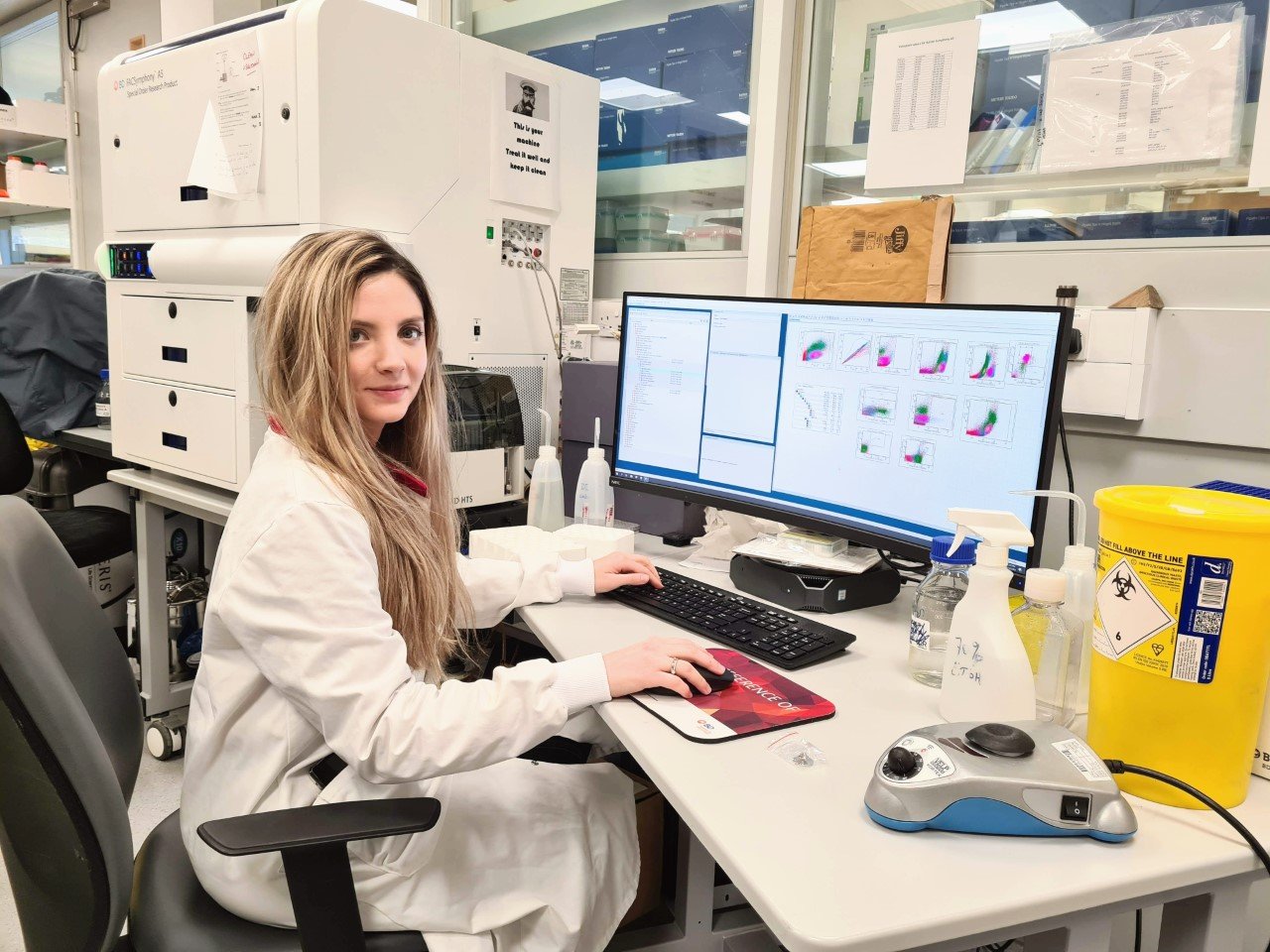
Science Writing Prize 2021 – The next big thing: diving into the ‘immunoverse’ to create novel and personalised cancer therapies
Dr Vivian Dimou explores the 'immunoverse' – the interplay between immune cells and their surrounding tissue environment – in this piece shortlisted for the 2021 Mel Greaves Science Writing Prize.
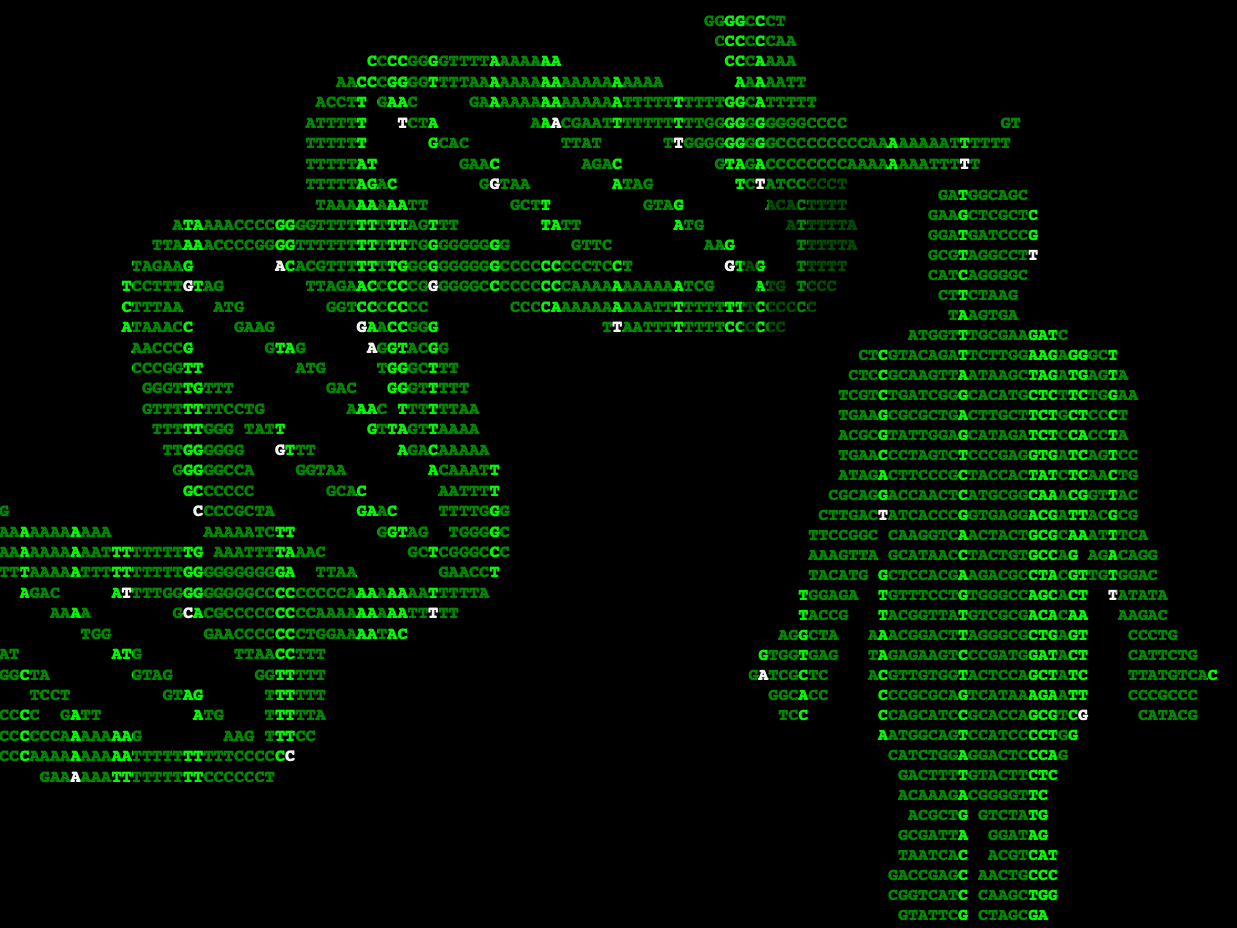
Science Writing Prize 2021 – Personal source code: leveraging personal proteogenomics for targeted cancer therapy
Dr James Wright covers the evolving field of proteogenomics and its future for targeted cancer therapies in this piece shortlisted for the 2021 Mel Greaves Science Writing Prize.
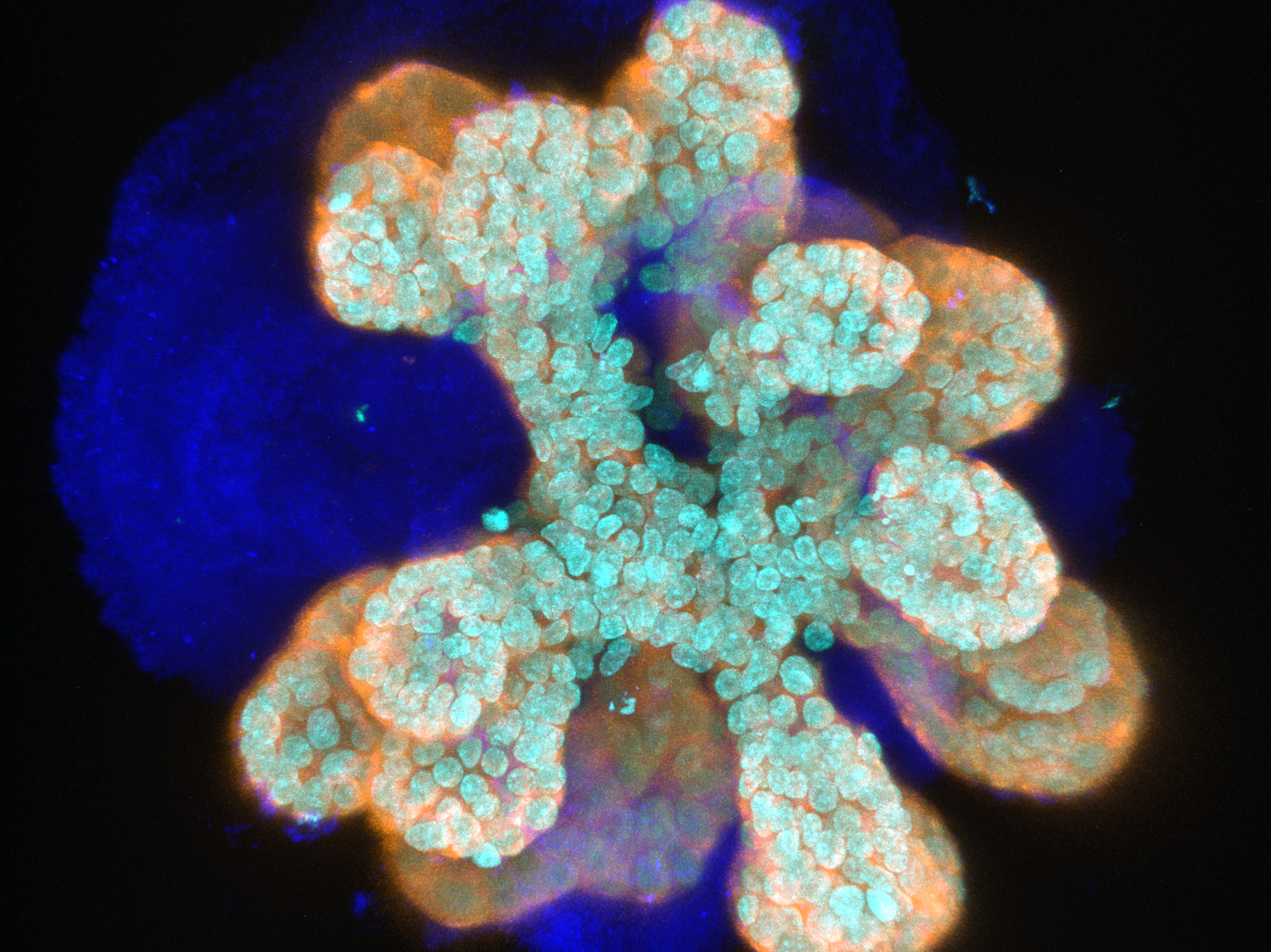
Science Writing Prize 2021 – Organoidsation
Jorge Almagro Santiago draws together differing perspectives on organoid science in this piece which won the 2021 Mel Greaves Science Writing Prize.
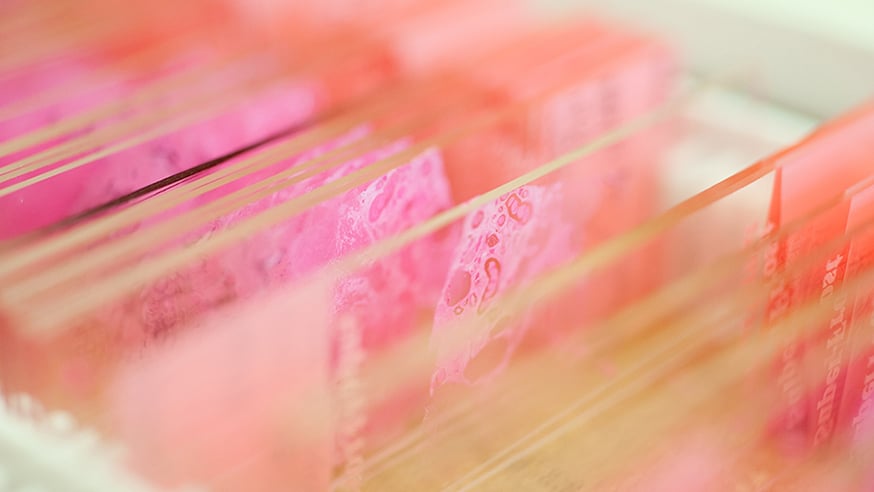
Science Writing Prize 2020 - Pushing the frontiers in onco-pathology: from microscopes to digital diagnostics
Nivedita Ravindran examines cutting edge digital pathology in this shortlisted entry for the 2020 Mel Greaves Science Writing Prize. Nivedita is a Higher Scientific Officer in the Division of Breast Cancer Research at the Institute of Cancer Research.
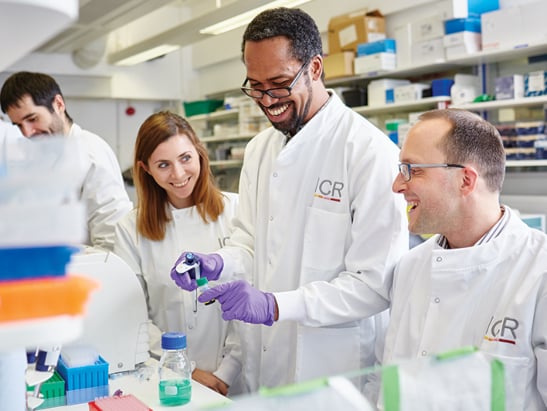
Science Writing Prize 2020 – A modern Homo universalis is at the forefront of science and medicine
Dr Vivian Dimou explores the importance and success of collaboration in research in this piece shortlisted for the 2020 Mel Greaves Science Writing Prize. Vivian is a postdoctoral training fellow in the Division of Cancer Therapeutics.
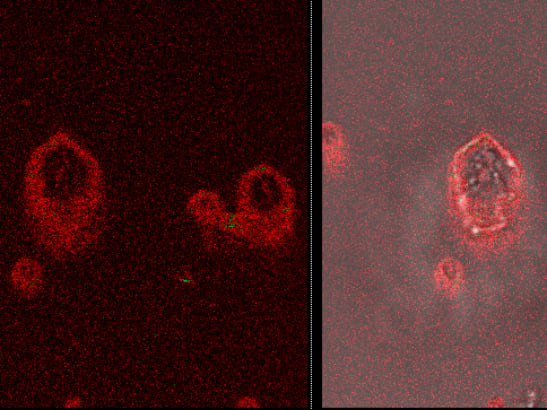
Science Writing Prize 2020 – (Cell) Death is not the end
The winner of the Mel Greaves Science Writing Prize for 2020, Dr Arnaud Legrand, explores the life and death of cells in this piece on the theme of 'Barriers and Breakthroughs' in cancer research. Arnaud is a post doctoral fellow in the Division of Breast Cancer Research at the Institute of Cancer Research, London.
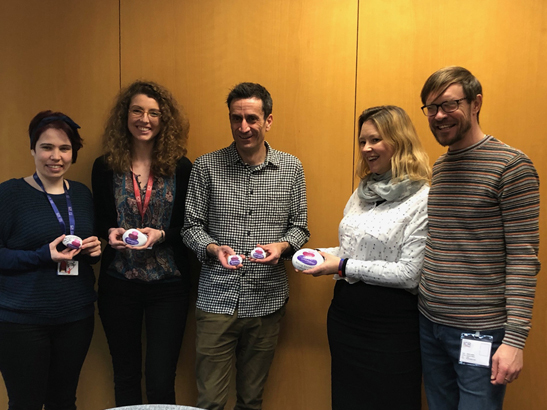
Childhood brain tumours: From tissue samples to new treatment options
To mark Childhood Cancer Awareness Month, Diana Martins Carvalho, a post-doctoral training fellow in our Glioma Team, reflects on the vital support of families who generously donate tissue samples and funds, without which her research into childhood brain tumours would not be possible.
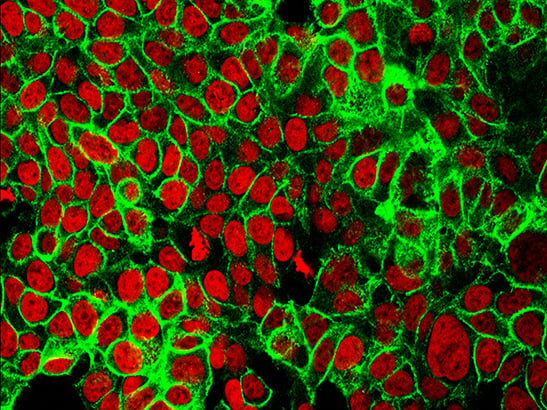
Science Writing Prize 2019 – The dangers of colorectal cancer
The winning entry in our 2019 Mel Greaves Science Writing Prize is by Dr Maxine Lam. Her thoughtful post shares her own personal experience with colorectal cancer following her father's diagnosis, and examines the reasons why it is so often picked up late.
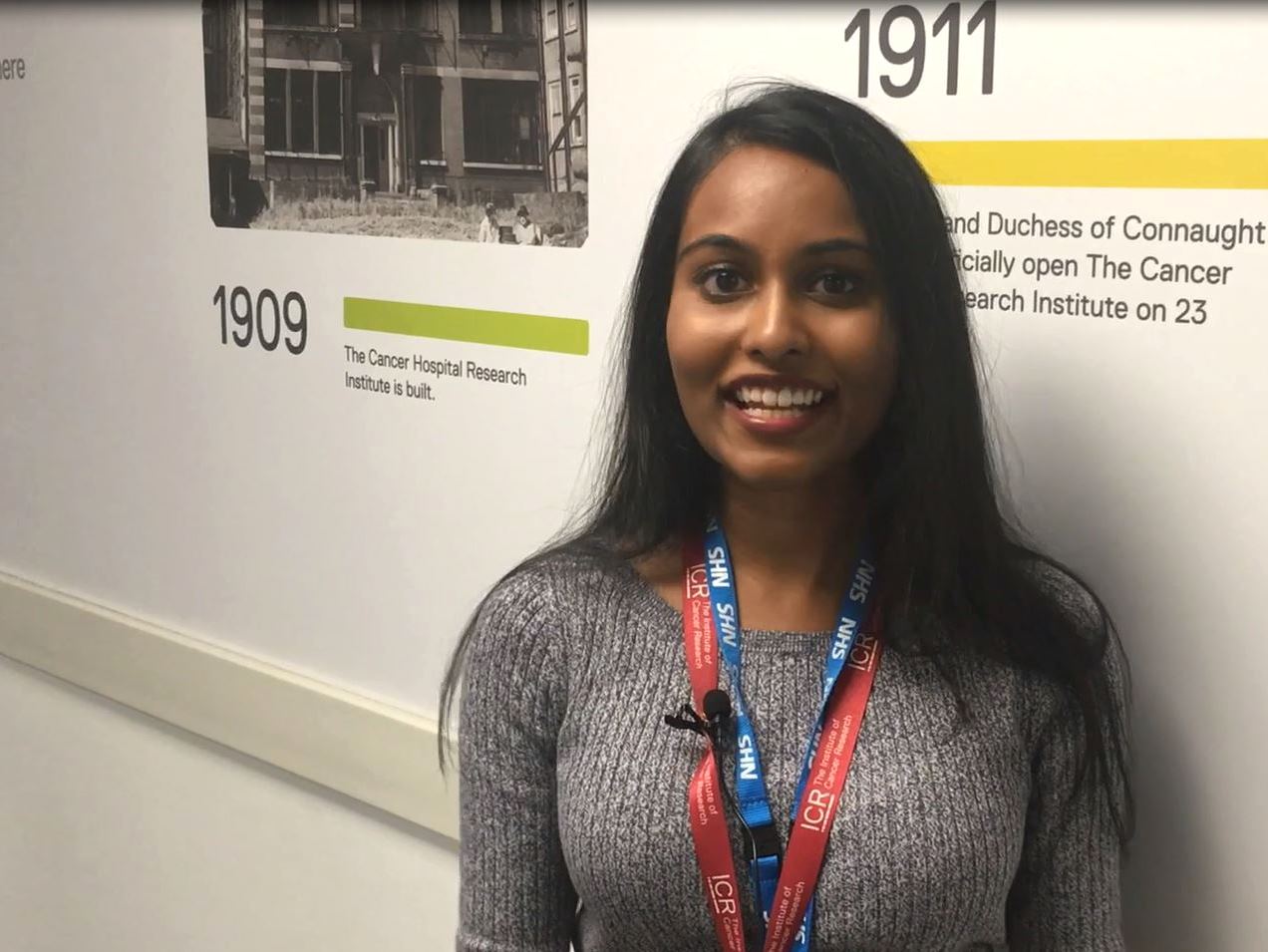
Science Writing Prize 2019 – Made-to-order cancer treatments
This highly commended entry for the Mel Greaves Science Writing Prize is by PhD student Nithya Paranthaman. She discusses tumour organoids: lab-grown mini-tumours that mimic cancers in a patient's body. These tumours-in-a-dish could be used to screen drug combinations and tailor treatments to each patient.
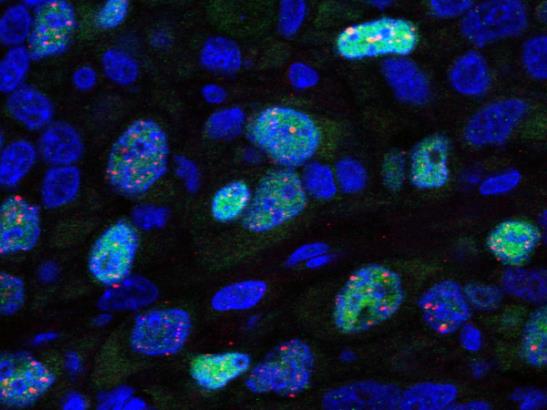
Science Writing Prize 2019 - Sleep and cancer
The third runner-up for the Mel Greaves Science Writing Prize is Dr Samantha Nimalasena with a piece which discusses how our sleeping habits or lack thereof may be affecting our health.