

Professor Paul Workman served as Chief Executive and President of The Institute of Cancer Research, London, from 2014 to 2021. He was also previously Director of what is now the Centre for Cancer Drug Discovery for almost two decades from 1997 to 2016 and is currently Harrap Professor of Pharmacology and Therapeutics at The Institute of Cancer Research (ICR), Co-Director of the Cancer Research UK (CRUK) Children’s Brain Tumour Centre of Excellence hosted by the ICR and University of Cambridge, and Executive Director of the international Chemical Probes Portal resource. He has been instrumental in progressing more than 20 cancer drugs into clinical trials.
2026 marks 25 years since the first draft sequence of the human genome was published, opening up huge potential for drug discovery. Professor Workman highlighted this milestone and its therapeutic impact when he delivered the opening Keynote Address at the Drug Discovery Europe 2026 conference in Berlin recently. In his lecture Professor Workman assessed the great progress made in converting our knowledge of the human genome into personalised cancer medicines – and also highlighting how far we still have yet to go in what he describes as “drugging the cancer genome”.
In this in-depth, long read blog, Professor Workman reflects on that journey which his personal career has spanned, and discusses the challenges ahead and emerging solutions to tackle these.
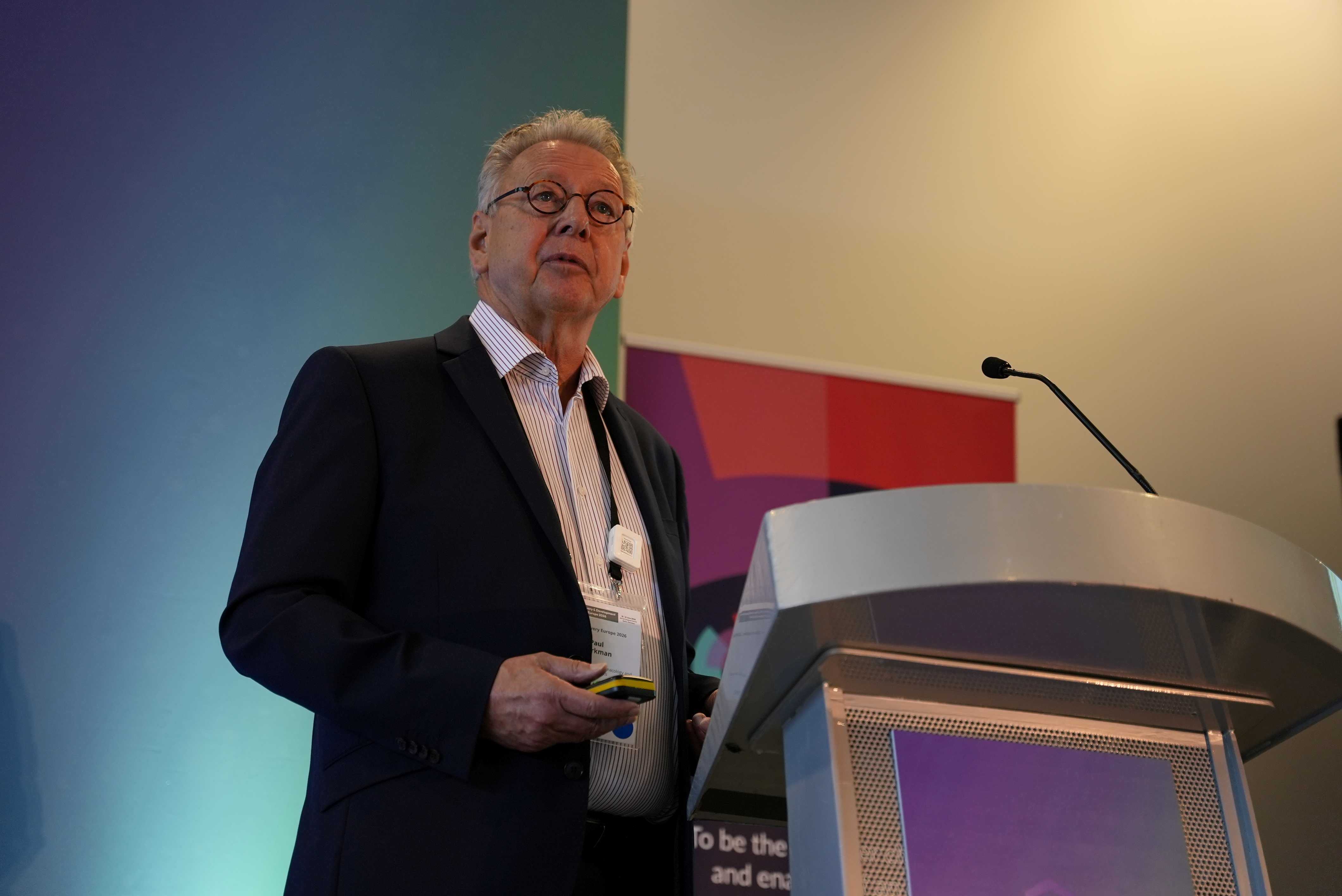
Image: Professor Paul Workman delivering the opening Keynote at Drug Discovery Europe 2026
2026 marks a quarter of a century since the first extensive draft sequence of the genome was published in two milestone papers in the journals Nature and Science. It was very clear at the time that this was a momentous scientific achievement – and the associated publicity and commentary predicted future exciting medical breakthroughs.
Looking back on it now, 25 years later, there can be no doubt that the release of the genome sequence did indeed, as was envisaged, fundamentally change how we conduct much of basic biological and applied biomedical research and drug discovery. And with respect to oncology specifically, the resequencing of cancer genomes has enormously deepened our understanding of the genetics and biology of human cancer and accelerated the discovery and development of personalized oncology medicines – an approach I have termed “drugging the cancer genome”
Because of the 25th anniversary of the human genome sequence publications, and their profound importance and impact on cancer drug discovery, I chose to highlight this topic as the subject for my opening Keynote Address at the Discovery Europe conference last month (June 15th and 16th) in Berlin. My talk title was “Adventures in Precision Medicine for Cancer: 25 Years After the Genome Sequence”. I also moderated a panel discussion exploring the important question “How Can We Leverage All Pre-Clinical Information to Inform the First In Human Trial?”. And I co-chaired an interesting discussion with biopharma industry CEOs and senior leaders from across drug discovery, focusing on where the next major advances in medicines are likely to emerge, what will define an ideal drug candidate by 2030, and how factors like early developability, formulation and delivery might affect discovery decisions – plus of course the increasingly profound impact of AI on all of this.
In the run up to, during and after those busy couple of days in Berlin, I’ve been reflecting deeply on just how far we’ve come, and more importantly, how far we still have to go in drugging the cancer genome. I share my thoughts here, more or less in the same sequence as the story I told in my lecture, with a particular emphasis on progress made and challenges ahead for precision cancer medicines – particularly with small-molecule approaches.
The main points apply across oncology generally, but I often illustrate these with examples from our own work in the Centre for Cancer Drug Discovery at ICR, as well some exciting highlights from elsewhere.
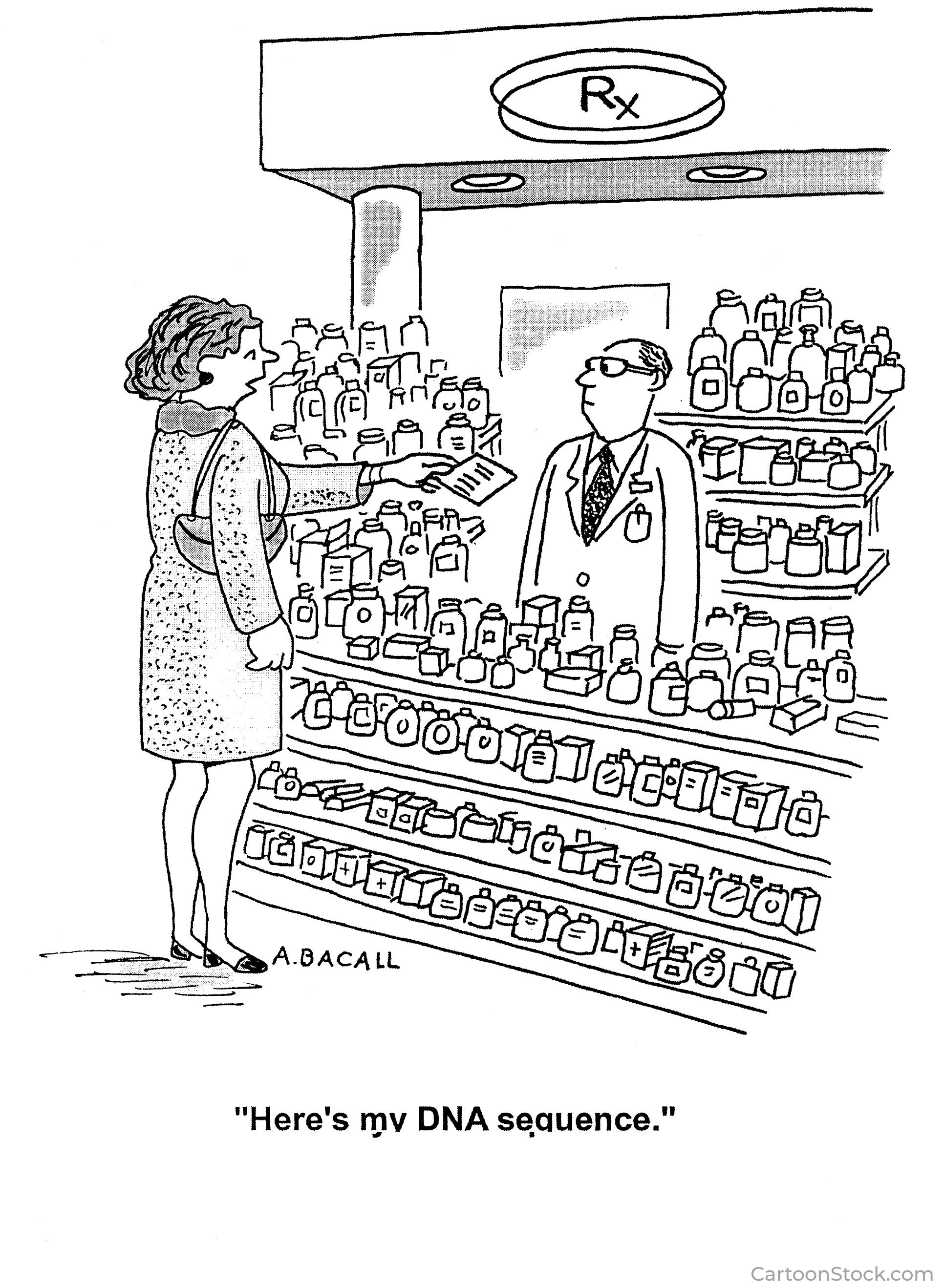
Before I dive in, I wanted to share a cartoon I like by Aaron Bacall which shows a patient approaching the pharmacist behind a well-stocked counter and announcing “Here’s my DNA sequence” in the expectation of receiving their personalised medications. So, as the blog details, to what extent have we moved towards that?
A true paradigm shift: from blunt tools to precision approaches
When I started out on my PhD project in cancer pharmacology, more than five decades ago (in 1973!), both the drug treatments then available and also the contemporary drug discovery approach at the time were almost completely dominated by cytotoxic agents – chemotherapy drugs that work by killing rapidly dividing cells.
These one-size-fits all drugs are effective for many cancer patients but are very blunt tools, killing all proliferating cells with little consideration of an individual patient’s tumour biology. As a result, they have major side-effects on proliferating tissues, such as the bone marrow and gastrointestinal tract. Also, it is difficult to predict what types of cancer will respond to any given new chemotherapy drug, let alone identify which particular patients would benefit.
This reality was brought home to me personally during my PhD training, when my father died from bowel cancer, while still only in his 50s.
As I reviewed recently, from 1955 (three years after I was born!) to as late as 1985, the vast majority of cancer drug discovery was centred on the “random” screening of diverse collections of natural products and synthetic chemical compounds – using as a test model mice bearing a molecularly undefined transplanted murine leukaemia, conducted at the US National Cancer Institute (NCI). This approach, which delivered many valuable cytotoxic chemotherapy drugs still in widespread use today, was replaced from 1985-2000 by equally random testing of diverse compounds against a panel of 60 human cancer lines, seeking greater human malignant disease specificity and activity in hard-to-treat cancers. That ‘NCI 60 panel’ was the precursor of the very large molecularly characterised cancer cell line panels that are now widely used as models in modern, mechanism-based discovery of precision oncology medicines.
From the 1970s through to the 1980s, the revolutionary discovery of oncogenes and tumour suppressor genes – i.e. the accelerator and brake genes, respectively, that when mutated propel tumour growth and survival – began to reveal exactly how cancer is driven by specific genetic changes (somatic or inherited) that could potentially be targeted by specifically designed, mechanism-based drugs.
This was a hugely important insight yet translating it into medicines took far longer than we might in retrospect imagine. Indeed, it actually required a 25–30-year cultural reset for cancer drug discovery to transition from a predominant focus on the blunderbuss approach of broadly acting cytotoxic agents to the rapier-like precision targeting of modern molecular therapeutics.
The eventual paradigm shift was undoubtedly accelerated by the availability of the human genome sequence around 2001, which gave us the mechanistic understanding, conceptual framework and practical tools we needed to progress the discovery of precision medicines at scale – with pharmaceutical and biotechnology companies becoming increasingly involved. For the first time, we could systematically identify the genetic drivers of cancer and begin to target them – heralding the beginning of what we now call precision medicine.
I highlighted in my keynote that the field of oncology continues to lead the way in the therapeutic exploitation of the human genome sequence. Data in the useful OncoKB FDA-Approved Oncology Therapies Tracker indicates that there are now ~103 unique FDA approved precision oncology medicines – meaning drugs used to treat molecularly-defined patients, where pretreatment molecular profiling of the cancer is often required for optimal patient selection. Nearly half of cancer drugs developed since the late 1990s depend on biomarkers to guide their use.
Consequently, a growing proportion of cancer patients can now receive treatments matched to the distinct molecular features of their cancer. A recent study shows that around 36 per cent of US cancer patients are eligible for precision medicine – either with an FDA-approved drug or through a clinical trial. That proportion has impressively doubled since 2017.
This is substantial progress, but the reality is that many patients still don’t have an effective targeted treatment option available to them and much of the cancer genome remains undrugged – an issue that I will address in the remainder of this piece. Furthermore, although oncology is the most represented therapeutic area – delivering, for example, 16 (35 per cent) of the 46 novel drugs approved by the FDA in 2025. It still typically takes about ten years from Phase I entry to FDA approval, costs up to US$2.8 billion, and the clinical failure rate in oncology from Phase 1 trial entry to approval is 95 per cent.
I will discuss here, as in the lecture, how we can extend the druggable cancer genome to benefit more patients and how we can improve the success rate in the clinic.
Some examples of success – drugs targeted to oncogenic protein kinases
But first let’s consider some of the early successes in exploiting the genome sequence for precision oncology.
The initial molecularly targeted cancer drugs of the new era exploited the discovery of protein kinase oncogenes, specifically the antibody trastuzumab (Herceptin) – which blocks the membrane-located receptor tyrosine kinase protein, a product of the HER2 oncogene that drives HER2-positive breast cancer. As well as the small-molecule imatinib (Gleevec) that inhibits the tyrosine kinase protein product of the BCR-ABL translocation product oncogene that propels chronic myeloid leukaemia.
These were truly trailblazing precision medicines that were targeted to the cancer-causing mutated protein drivers of the particular cancer type and had huge clinical impact. They overcame what was termed “oncogene addiction” and were the iconic poster children of the new era.
In my keynote I explained how, during my professionally invaluable period at AstraZeneca between and 1993-97, I was involved in the discovery of one of the very first precision medicines, the anilinoquinazoline inhibitor of the epidermal growth factor receptor (EGFR) tyrosine kinase inhibitor gefitinib (Iressa).
After its initial broader approval in non-small cell lung cancer in 2003, gefitinib later (from 2009) began to be approved by regulatory bodies for first line use in patients whose tumours harboured, and were driven by and addicted to, activating somatic mutations in the Epidermal Growth Factor Receptor (EGFR) gene. These mutations were in fact identified by genome resequencing only after the first widespread introduction of the drug. We learned a lot from that experience. For example, the successful discovery and subsequent approval – in melanoma, colorectal and other cancers – of clinical BRAF and MEK inhibitors (e.g. vemurafenib and trametinib, respectively) were preceded by the identification of tumour-driving BRAF mutations through prospective cancer genome resequencing, first reported in 2002.
The success with drugs like gefitinib, erlotinib, imatinib, vemurafenib and their successors is such that over 100 small-molecule kinase inhibitors are now approved, mostly for cancer. Kinase inhibitors not only proved to be transformative precision medicines for cancer patients, but they also served to overcome the prejudice that it would not be possible to achieve kinase inhibitors able to successfully compete at the binding site normally occupied by ATP – which is present in cells at millimolar concentrations – and also that it would be impossible to achieve selectivity for a given target kinase as compared to the hundreds of other structurally-related kinases present in the cell.
Both negative prejudices proved to be incorrect – an example of how we often need to be bold and challenge orthodoxy to make breakthroughs in drug discovery.
Fragment-based drug design – the example of the AKT inhibitor capivasertib
Starting points for kinase inhibitors were often identified, as in the case of imatinib and gefitinib, by high-throughput screening (HTS) of pharmaceutical company compound collections against the desired protein target.
But an alternative approach known as fragment-based drug design (FBDD) has also proved to be incredibly successful in recent years.
As a key example, I described in my lecture how the drug capivasertib – which inhibits the oncogenic serine-threonine kinase AKT in the PI3 kinase-AKT signalling pathway and was recently approved in pathway-activated subsets of breast and prostate cancer – was derived, with our close involvement, from FBDD.
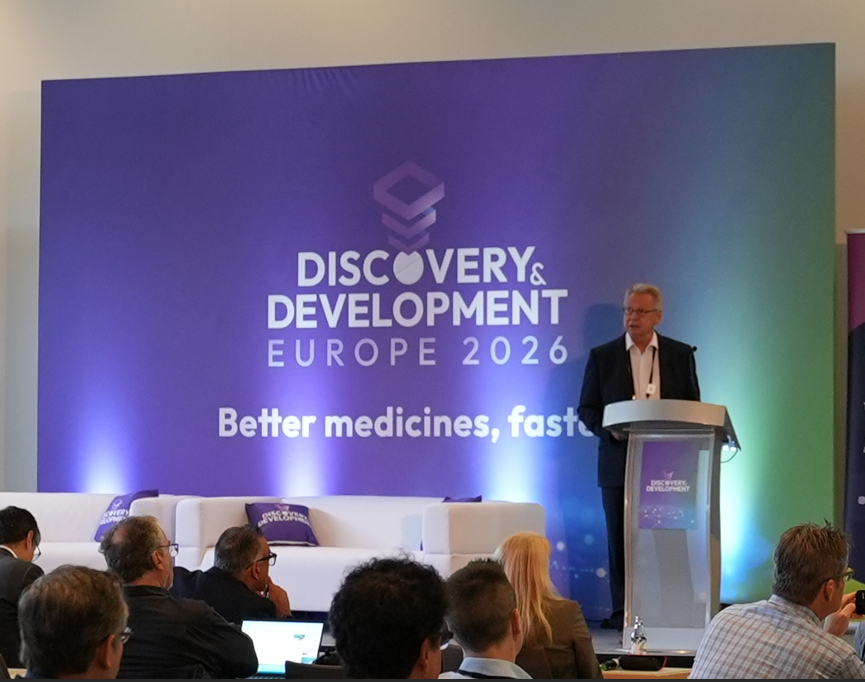
Image: Professor Paul Workman at Drug Discovery Europe 2026
By way of background, the PI3-kinase-AKT pathway is one of the most frequently mutated pathways in human malignancies, with its cancer-driving signalling ramped up by activating mutations either in the PIK3CA gene encoding the oncogenic p110α isoform of the PI3 kinase family or in the immediately downstream serine-threonine protein kinase AKT – or alternatively by activation in upstream receptor tyrosine kinases, as well as by deficiency in the PTEN protein phosphatase.
Interestingly, AKT was first reported as a viral oncogene1987, with one of the human homologues (AKT1) found to be amplified in a clinical gastric cancer.
Our team in what is now the ICR’s Centre for Cancer Drug Discovery, with funding from CRUK, initially played an instrumental role in the discovery and clinical development of some of the first PI3 kinase inhibitors, including the pathfinder drug pictilisib. Derived from an HTS hit, this drug showed activity in Phase 2 trials, through our partnership with the ICR/CRUK/Ludwig Institute spinout company Piramed Pharma and in turn with Genentech and was one of the early pioneering drugs that eventually led to regulatory approval of PI3 kinase inhibitors.
We then turned our attention to the next downstream target in the PI3 kinase/AKT pathway, i.e. AKT. Having initiated a drug discovery project with conventional HTS but struggled to obtain inhibitors sufficiently selective for AKT versus other kinases, our Centre for Cancer Drug Discovery team was able to build on fundamental research at the ICR aimed at understanding how the AKT protein molecule is regulated. In 2002, Professor David Barford, then jointly leading the ICR’s Division of Structural Biology, published his landmark elucidation of the 3D structure of AKT and showed how the protein is activated – explaining how AKT exerts its cancer-driving behaviour and also providing the basis for the creation of a drug informed by the molecular structure.
Importantly, in 2003 we initiated a collaboration with Astex Pharmaceuticals to design small-molecule inhibitors which would target AKT, using the powerful approach of crystallographic fragment-based screening and design. Through this approach tiny chemical fragments were initially identified that attached weakly to the AKT protein, and were then iteratively extended and optimised, guided by the AKT structure, to produce a progressively tighter fit and increasingly potent inhibition of AKT’s cancer-driving behaviour.
From the initial weak binding fragment the collaborative team was able to grow and develop the fragment, in just two years, to increase AKT potency by 50,000-fold – generating advanced prototype drug leads with single digit nanomolar potency against AKT and relatively high kinase selectivity, together with promising pharmacokinetic and pharmacodynamic (PK/PD) properties sufficient to achieve activity in animal models – leading to proof of concept anticancer activity in human tumour xenografts exhibiting an activated PI3K/AKT pathway, including through PTEN deficiency.
In 2005, our ICR/Astex series of prototype drug compounds were confirmed to have very promising activity against a range of human tumours grown in mice and were licensed to AstraZeneca. Then, in 2010, AstraZeneca announced its discovery of capivasertib and began to develop the drug as a potential treatment for various forms of cancer.
The discovery of capivasertib by AstraZeneca, subsequent to the collaboration with Astex Pharmaceuticals and its collaboration with ICR and Cancer Research Technology Limited, is seen as a great success story for UK science.
The subsequent clinical development of capivasertib led by AstraZeneca also had strong input from researchers at the ICR and our clinical partner The Royal Marsden NHS Foundation Trust. Of note was that the Phase 1 clinical trial of the drug in our joint Drug Development Unit, as with the preclinical drug discovery work, featured the use of a rational approach that I conceived, and then with clinician scientist colleagues at the ICR and The Royal Marsden subsequently implemented – known as the Pharmacological Audit Trail (PhAT).
This is a conceptual and practical framework for evidence-based decision-making grounded in the sequential use of biomarkers for optimising patient selection, drug exposure (pharmacokinetics, PK), target engagement and pathway modulation (pharmacodynamics, PD) – linking through to therapeutic activity and tolerability.
Together with preclinical modelling, the PhAT informed the optimisation of oral capivasertib dose and the intermittent four days on, three days off dosing schedule – so as to maintain therapeutic activity and minimise adverse on-target effects, particularly hyperglycaemia.
Following large randomized clinical trials, capivasertib (Truqap) was approved first (in November 2023) in advanced or metastatic oestrogen receptor-positive HER2-negative advanced breast cancer patients with PI3 kinase pathway mutations – namely PIK3CA, AKT1 or PTEN alterations. And more recently, in June 2026, capivasertib was approved in PTEN-deficient advanced prostate cancer. In both cases there was co-approval of the corresponding companion diagnostic (CDx). This is a key requirement for modern precision medicines, enabling the right drug to be matched to the right patient.
More broadly, there is clear associative statistical evidence that the approval rate in clinical development, across diseases, is two-fold higher for drugs with a patient pre-selection biomarker – and this benefit may be substantially greater for precision oncology drugs specifically.
Drugging transcription factors
Selecting drug targets for precision medicines is not just about biological identification and validation of an oncogenic driver, or some other selective vulnerability protein, but also requires consideration of the druggability of the target – the extent to which it can likely bind and be modulated by a drug-like entity. Extending the druggable cancer genome benefits greatly by finding ways to create drugs that act on very well understood and genetically validated oncogenic transcription factors, such MYC, β-catenin and p53, that it’s not been possible to drug so far. However, in general these proteins are notoriously difficult to tackle because of the absence of druggable pockets into which small-molecule modulators can fit.
As a case study, we have taken the same crystallographic fragment-based screening approach that we used successfully with AKT (see above) and applied it to find chemical leads that could be starting points for drug discovery against the transcription factor called brachyury (or TBXT). This is a unique, strongly validated cancer-driving protein in a rare bone-like cancer known as chordoma. The project is very personal to me as my mother died in her late sixties from this very uncommon disease.
In an open science collaboration with colleagues at the Universities of Oxford and North Carolina, we used crystallographic fragment screening to pinpoint several shallow grooves on the surface of brachyury which act as hot spot attachment sites. After initial follow-up chemistry, our best brachyury binders currently have low micromolar potency and we are now working to improve the strength of attachment further to achieve cell growth inhibitory activity in human chordoma cell lines.
The approach we have taken to drug brachyury in chordoma could also be applicable to additional transcription factors and other hard-to-drug targets.
Meanwhile, other researchers at PMV Pharmaceuticals have had success with drugging a specific inactive mutant (Y220C) form of the p53 tumour suppressor with the developmental agent rezatapopt – successfully restoring normal wild type p53 function, including reactivating transcriptional activity and the ability to stop cancer cells from growing, with confirmed tumour responses seen in a Phase 1 clinical trial. There are, however, multiple other mutant forms of p53.
Another successful example of directly drugging an oncogenic transcription HIF-2α with the allosterically-acting drug belzutifan, approved in VHL-deficient kidney cancer.
Progress with drugging RAS
Also a key target considered to be undruggable for a very long time (>30 years) was the extremely well biologically validated family of oncogenic mutant RAS proteins, which occur frequently in human cancers.
The longstanding lack of progress with these targets was due to its very high affinity for the natural ligand GTP and its apparent lack of other, deep binding pockets. However, the seminal work of Kevan Shokat and colleagues, published in 2013, revolutionized the concept of RAS druggability by using a specialised type of fragment-based screening, together with structural elucidation by crystallography, to discover “tethering” binders that chemically attach to a particular cysteine amino acid that is uniquely present in the G12C mutant KRAS and not the normal form – and shown to be located in a previously hidden druggable pocket. Based on this, the team developed tool compounds that selectively bind to G12C KRAS and inhibit its function in cancer cells. This paved the way for the subsequent discovery and approval of clinical drugs such as sotorasib and adagrasib.
These drugs represented an important breakthrough, but they are restricted to treating patients whose tumours are driven by the specific KRAS G12C mutation. Among other follow up studies, a further recent breakthrough came from the discovery of a drug designed to target a wider range of oncogenic mutants of KRAS together with mutants of other members of the RAS family, and in fact also to target the activated GTP-bound active ‘RAS(ON)’ form of the unmutated RAS proteins – which can all be a source of resistance to existing RAS inhibitors.
The approach used exploits the exciting application of chemically-induced proximity pharmacology, whereby small molecules are applied to bring together into close spatial association two distinct biological entities (normally proteins) that are not usually bound together in the cell – with the new association in turn triggering a desired cellular outcome, such as an anticancer effect. This is distinct from the more usual “key and lock” occupancy-based mechanism of traditionally acting drugs.
Researchers at Revolution Medicines used this chemically-induced proximity pharmacology approach in tour de force research to discover daraxonrasib – a potent and orally bioavailable non-covalent so-called ‘tri-complex’ inhibitor acting on multiple mutant and normal variants of the RAS family protein when in the GTP-bound active ‘RAS(ON)’ state.
Daraxonrasib works by one side of the molecule (a binding unit based on the natural product sanglifehrin A) first engaging with the cyclophilin A chaperone protein in the cell, followed by this binary complex then recruiting RAS(ON) proteins into a ternary (three-part) complex. This tri-complex trapping prevents the binding to RAS of the essential downstream effector partner proteins like RAF – thereby blocking RAS’s cancer-driving behaviour while also reducing the risk of resistance developing.
Daraxonrasib received a rare standing ovation at the recent meeting of the American Society of Clinical Oncology in Chicago when Phase 3 clinical results were presented showing an unprecedented doubling of overall survival, as compared to chemotherapy, in patients with previously treated metastatic pancreatic ductal adenocarcinoma, the majority of whom have cancers harbouring KRAS mutations.
PROTACs and molecular glue degraders
I highlighted in my talk that another exciting application of chemically-induced proximity pharmacology is the case of PROTACs and molecular glues, which both work by hijacking the cell's natural waste disposal system – the ubiquitin-proteasome pathway. This degrades cancer target proteins of interest – as opposed to simply inhibiting them. PROTACs and molecular glue degraders provide further opportunities for extending the druggable cancer genome, to include proteins for which available binding ligands are not sufficiently potent to achieve conventional pharmacological modulation (e.g. enzyme inhibition) or where the oncogenic effects are produced by a ‘scaffolding’ function, e.g. enabling interaction with other protein partners.
The first proof of concept PROTACs (PROteolysis TArgeting Chimeras) were originally published in 2001. They are so-called heterobifunctional molecules comprising: 1) the target-binding warhead that attaches to the specific disease-causing protein; 2) a binding ligand for a ubiquitin E3 ligase, usually cereblon or VHL, that attaches to the protein-degrading enzyme; and 3) a linker that connects those two parts – maintaining the target and the E3 ligase close together in a ternary complex with the PROTAC, so that the disease target can be efficiently ubiquitinated and destroyed.
In contrast to conventionally-acting drugs, the rules for the rational design of PROTACs are more complicated and still emerging, not least because PROTACs are inevitably bigger in size. This has contributed to medicinal chemists now often working beyond the Rule of Five (RoF) – whereby successful drugs can be produced in chemical property space outside of the traditional Lipinski guidelines for oral drugs. We have recently contributed to the design of PROTACs, as exemplified by the second-generation alisertib-derived Aurora A PROTAC where the undesirable ‘hook effect’ was reduced by optimising cooperativity in the ternary complex formation, and the stability of the linker was also markedly enhanced to produce a more versatile chemical probe for use in cell culture experiments. We hope the approach we took might be applicable to other protein targets.
A major milestone for PROTACs was the recent first regulatory approval for the orally administered oestrogen receptor degrader, vepdegestrant. Originating from Arvinas, partnered with Pfizer, and now out-licenced to Rigel Pharmaceuticals, vepdegestrant was approved by the FDA for the subset of patients with advanced or metastatic oestrogen receptor-positive, HER2-negative breast cancer where the tumour harbours mutations in the ESR1 gene encoding the oestrogen receptor alpha protein. Many more PROTACs are in clinical development.
Compared to PROTACs, molecular glue degraders are generally much smaller in size. They bind to either the target protein or the E3 ligase (but usually engaging the E3 ligase first) to alter the protein surface, thereby promoting a new or enhanced interaction between the two and driving degradation of the disease protein of interest. The original and classic examples are thalidomide and its analogues lenalidomide and pomalidomide that are approved in multiple myeloma and owe their activity to the degradation of specific Ikaros family B cell lineage transcription factors (IKZF1 and IKZF3) through essential binding to the E3 ligase cereblon – directly leading their degradation and myeloma cell death.
Recognition of the importance of the developing work in the Centre for Cancer Drug Discovery on PROTACS and molecular glues, the latter of which led to the successful ICR spinout company Monte Rosa Therapeutics, was a major factor in the formation of ICR’s Centre for Protein Degradation.
Target identification aided by computational and AI approaches
Identifying promising cancer targets and their robust validation is clearly essential for successful oncology drug discovery. Choosing an incorrect or insufficiently validated target and then prosecuting a drug discovery project based on that can be a very expensive mistake.
In the years before the genome sequence came online, there were relatively few oncology targets for precision medicine and these were generally derived from years of fundamental research, including the discovery and understanding of oncogenes. Assuming it was at least potentially druggable, a decision to work on such a target could be based on a deep understanding of its biology. As I highlighted earlier, the emergence of the genome sequence led to a surge of new potential targets, together with others coming from functional genomics screens, which then required more rapid but still robust laboratory validation and accelerated understanding.
It is notable that new cancer targets cover a much wider range of cancer behaviour, well beyond signalling for proliferation and survival. Now, targets for molecular therapeutics can cover all the expanded Hallmarks of Cancer – including, for example, epigenetic reprogramming, metabolism, angiogenesis, genome instability/mutation, and immune evasion. Regarding exploitation of genetic instability, it is important to highlight the synthetic lethal therapeutic effects of the landmark PARP inhibitors – leading to approval in breast, ovarian, prostate and pancreatic cancers with loss of BRCA genes and other related DNA repair abnormalities. The ICR and The Royal Marsden research made major contributions to this area.
Target validation, and also functional genomic screening, commonly involves the use of the powerful new molecular tools for perturbing gene activity in cells, particularly RNA interference and CRISPR technologies. There are numerous experimental pitfalls that need to be avoided to ensure that target validation studies are reproducible and robust, particularly across different model systems and orthogonal technologies, including the use of high-quality small-molecule chemical probes.
In my view, although unacceptable/unpredictable side effects can often be a problem, I believe that a major reason for new cancer drug failure in the clinic can be disappointing therapeutic activity due to insufficiently robust target validation. Proving that inhibition of a potential target modestly slows cancer growth is not enough. We must demonstrate, convincingly and reproducibly, that modulating the proposed target will deliver robust and strongly meaningful therapeutic benefit for patients, ideally killing cancer cells and causing at least a durable tumour growth arrest – and preferably achieving tumour regression – across multiple relevant models.
Selecting the best possible therapeutic targets is essential. Recognition of the importance of multidisciplinary collaborative research activities that streamline the connection between basic cancer science and drug discovery was the motivation behind the creation of ICR’s Centre for Target Validation.
Recognizing the avalanche of potential cancer drug targets emerging from genome sequencing, functional genetic screens and so on, an early initiative I was involved in at the ICR aimed to use the power of data science, computational biology and subsequently AI to help assess and prioritise, at scale, the best ones for further hypothesis-testing validation. Led by Bissan Al-Lazikani, then in the Centre for Cancer Drug Discovery, we developed a large-scale systematic, objective, multifaceted, data-driven assessment of cancer gene targets –designed to supplement (not replace) the expertise of researchers.
We used this approach in a proof-of-concept study that assessed close to 500 cancer-relevant genes from the Cancer Gene Census using a live multifaceted annotation workflow, including multiple assessments of druggability. This analysis generated opportunities for drug repurposing, generation of chemical tools and the identification of targets for potential new drug discovery projects. Included in the prioritised list for further validation were a group of DEAD-box family of RNA helicases that have been implicated cancer.
I explained in the talk how this proved to be of relevance later, when we independently identified the RNA helicase DHX8, from the related DEAH-box family, in a large-scale RNAi-based functional genomics screen, and then validated it as a potential drug target involved in mRNA splicing and stress resilience pathways – including one controlled by the transcription factor Heat Shock Factor 1 (HSF1) in cancer cells. Based on this we have been collaborating with Merck KGaA in Darmstadt on the structure-based design of DHX8 inhibitors. Of note, other helicases may be of potential interest as potential targets too.
In parallel with the RNAi screen, we also ran a compound library screen for inhibitors of HSF1 activity and based on this discovered NXP800 – which works via activation of GCN2 in the integrated stress response pathway and shows selective anticancer activity in ARID1A mutant ovarian cancer. It has since entered a clinical trial in partnership with Nuvectis Pharma. Targeting stress resilience pathways required by cancer cells to survive represents an interesting alternative approach to blocking cell growth pathways.
Importance of open science and public resources in cancer research and other biomedical fields
In my keynote I stressed the ever-increasing importance of annotated public resources to help make sense of the plethora of data now deluging cancer researchers and other biomedical scientists in our post-genome world.
We have the made multifaceted computational analysis of cancer targets, described in the previous section, freely available under the auspices of the public canSAR.ai resource – a free to use, integrated knowledge base for translational cancer drug discovery, now hosted by MD Anderson Cancer Centre. Of note, the 3D druggability assessment available in canSAR.ai incorporates Alpha Fold protein structure predictions.
The development of the transformative Alpha Fold AI algorithm that has revolutionised protein structure prediction and enables structure-based drug design, was itself possible only because of the availability of experimental ground truth protein structures freely available in the Protein Data Bank (PDB). In turn, Google DeepMind and EMBL’s European Bioinformatics Institute have partnered to create the public AlphaFold DB resource, which provides open access to over 200 million protein structure predictions.
In the keynote I highlighted how major contributions to the experimental structures were made by the open science-based Structural Genomics Consortium (SGC) which also pioneered the model of generating freely available, high-quality chemical probes, to explore the “dark proteome” and also to enable innovative drug discovery against new molecular targets.
I also discussed the non-profit Chemical Probes Portal (of which I am Director) as a source of free, expert-curated recommendations of high-quality chemical tools together with guidance on how best to use them experimentally to obtain robust results on the role of protein targets of interest – especially to minimise off-target effects when used in biomedical research, target validation and drug discovery. The expert-curated chemical probes on the Portal also provide a source of gold-standard ground truth data to support the increasingly important development and evaluation of AI/machine learning models.
The Chemical Probes Portal works closely with SGC, which is now focusing on Target 2035 – an open science initiative which aims to develop a pharmacological modulator for every protein in the human proteome by the year 2035. The major current focus is on addressing the bottleneck of identifying chemical binders for protein targets by generating vast, high-quality protein–ligand interaction datasets and releasing them openly to enable both interrogation of protein function in living systems and also to drive drug discovery against new targets – especially by feeding machine learning/AI approaches to predict new protein target binders at scale.
New medicinal chemistry approaches to expanding the druggable cancer genome
Since expanding the druggable genome was a major theme of my keynote and this blog post, I thought it would be useful to show here a slide I used to summarise the medicinal chemistry approaches that are proving particularly effective and exciting, as well as ways of tackling the enduring challenge of resistance.
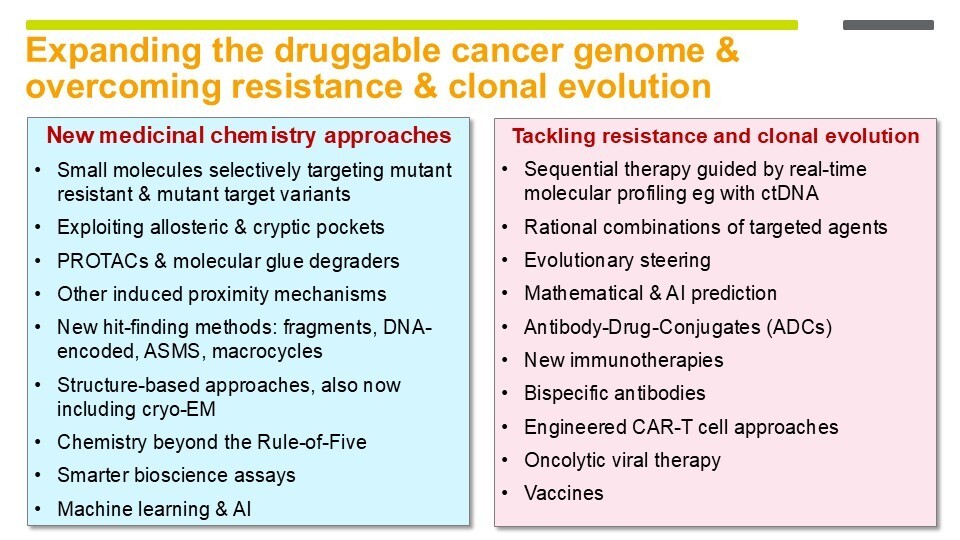
Small molecules specifically targeting predominantly the oncogenic mutant and not the normal forms of oncogenic targets have been shown to be feasible, and also those that act on drug resistant variants have great appeal. Exploitation of allosteric and cryptic pockets, too, is now well established.
I have already highlighted PROTAC and molecular glue degraders and the broader field of induced proximity mechanisms as areas of particular promise.
Among new hit-finding methods, I have highlighted earlier the use of fragment-based approaches, but also important as well now are use of DNA-encoded libraries, Affinity Selection Mass Spectrometry (ASMS) and macrocyclic compounds. To widen the application of structure-based approaches beyond x-ray crystallography, the rapidly accelerating use of cryo-EM in drug discovery is a major new opportunity.
I have mentioned how drugging more challenging targets and the use of new modalities like PROTACs is driving medicinal chemists to work successfully beyond the Rule of Five. Meanwhile drug discovery bioscientists are providing ever smarter bioscience assays. And at the Berlin conference both the increased interest in and the actual impact of AI across drug discovery and development was very clear.
Overcoming drug resistance, including via clonal evolution mechanisms
Towards the end of my talk, I emphasised how drug resistance is a major challenge to the use of anticancer agents – whether they be cytotoxic drugs or precision medicines. Mechanisms of resistance include biochemical rewiring, mutation, and the clonal heterogeneity and evolution in cancer – the importance of the last of these being a major reason why we established the ICR’s Centre for Evolution and Cancer.
I have highlighted on the right-hand side of the slide, some of the main approaches to tackle this challenge. They include rational upfront combinations of targeted agents and sequential drug therapy guided by real-time molecular profiling, e.g. with circulating tumour DNA (ctDNA). Linked to this, evolutionary steering to manipulate and exploit Darwinian trade-offs is an interesting and attractive concept, and the ability to predict evolutionary trajectories by mathematical models and AI algorithms will be extremely helpful.
Alongside the small molecule approaches I have focused on here, there are multiple exciting, complementary biological modalities emerging. Antibody-Drug Conjugates (ADCs) are now well established, and this remains a hot area for new drug development. Multiple new immune-focused treatments are being developed beyond the initial breakthrough class of T cell checkpoint inhibitors – including bispecific antibodies, engineered CAR-T cells, oncolytic viral therapy, and vaccines – all showing varying degrees of exciting promise.
Progress made, the unfinished challenge and the road ahead
I concluded my keynote lecture with a summary of how far we have travelled in the journey towards fully drugging the cancer genome and achieving precision medicines for all patients.
I want to reflect back on Aaron Bacall’s cartoon shared at the start of the blog, which he drew for the New Yorker in the year 2000, not long before the human genome was first published. With the progress made since then, to what extent have we moved towards personalised medicine?
First, it’s very clear that the genome sequence has led to very many effective precision medicines and these are having a major impact on the lives of cancer patients.
Next, the druggable cancer genome is being expanded with the help of new technologies and innovative therapeutic modalities.
Importantly, some of the tougher targets like RAS and certain transcription factors are now yielding to small molecule modalities.
And there is exciting potential for new drugs exploiting proximity pharmacology, including drugs that induce targeted protein degradation.
In addition, we are improving the success rate in clinical development using biomarker-based approaches, like the Pharmacological Audit Trail.
We are understanding better the mechanisms responsible for drug resistance and targeting or otherwise exploiting these, particularly with the development of approaches to boost the immune response.
Continuing to expand the druggable – and successfully drugged – cancer genome is an ongoing challenge, as is overcoming drug resistance, especially clonal evolution.
I concluded my lecture by asking the audience to consider what learnings can be transferred from the discovery and development of personalised cancer medicines to other therapeutic areas – commenting that in my view there are many – especially the use of biomarkers for patient selection and PK/PD biomarker-led guidance.
Final thoughts
Cancer drug discovery has never been more exciting.
The new future of precision oncology that began with the discovery of oncogenes and was accelerated by the sequencing of the human genome, is still unfolding. In many ways, we are only just beginning to realise its full potential.
As I reflect on the journey that drug discovery and development have taken, from the 1950s to the present day – and now at 25 years post the genome sequence – I remain optimistic. With continued scientific innovation, collaborative team science and persistence, I believe we can move closer to delivering truly personalised cancer medicines for all patients who need them.
Acknowledgement:
As I did in the lecture, I would like to thank my colleagues in the Centre for Cancer Drug Discovery at the ICR and my previous institutions, many collaborators, commercial partners, funders and most of all the patients and their families.
Notes:
1) Disclosures: With respect to the content of the lecture and this post, I should mention my various interactions with AstraZeneca, Astex Pharmaceuticals, Nextech Invest, Nuvectis Pharma and previously Piramed Pharma/Genetech/Roche.
2) An interview I did with the CEO of Oxford Global, around the content of my keynote lecture, is available as a 30-minute video and in transcript form here.