

Caroline’s son, Bradley, was diagnosed with advanced bowel cancer at the age of 22. Despite treatment, he died 14 months later. This year, the fifth anniversary of Bradley’s death, Caroline explains why research into early-onset bowel cancer is so important.
Bradley was my only child. I raised him alone from when he was nine months old, so for most of his life it was just the two of us, with our dog Buster. Looking back, Bradley had symptoms for about 18 months before he was diagnosed. He was at university, and every time he sought help, his symptoms were dismissed. Even when he was bleeding, losing weight, in pain, and struggling to work, we were told repeatedly he was ‘too young’ for it to be cancer.
At one point he was even given pile cream, despite showing classic red‑flag symptoms. Bradley simply wasn’t taken seriously. He was finally diagnosed in December 2019, at just 22. We later learned the cancer had already spread to his peritoneum.
He refused to dwell on frightening details and I followed his lead, I don’t think I could have let myself fully absorb the reality.
Bradley tried to protect me. He used to say, “I don’t want to worry you.” But I knew he was going through things that he didn’t want to share, not even with his consultant or medical team.
He didn’t want to tell them because he was afraid it might show the disease was spreading or getting worse. He was a very positive person and wanted everyone to believe he was ok. He always said, “I’m going to get better. When I get better, I’m going to do this...” It was never an option in his mind that he wouldn’t be cured.
As his mum, it was really difficult. Your instinct is to protect your child and find out all the answers, but because of the age he was - a young adult - I couldn’t do anything. I just had to go with him. And I was in the predicament where if I knew more than he did about his prognosis, did I really want to live with that? It was hard. I tried to feed on his positivity. I was given lots of advice like, take it an hour at a time, a day at a time, not focussing on the big picture. That was difficult, but I did it for him.
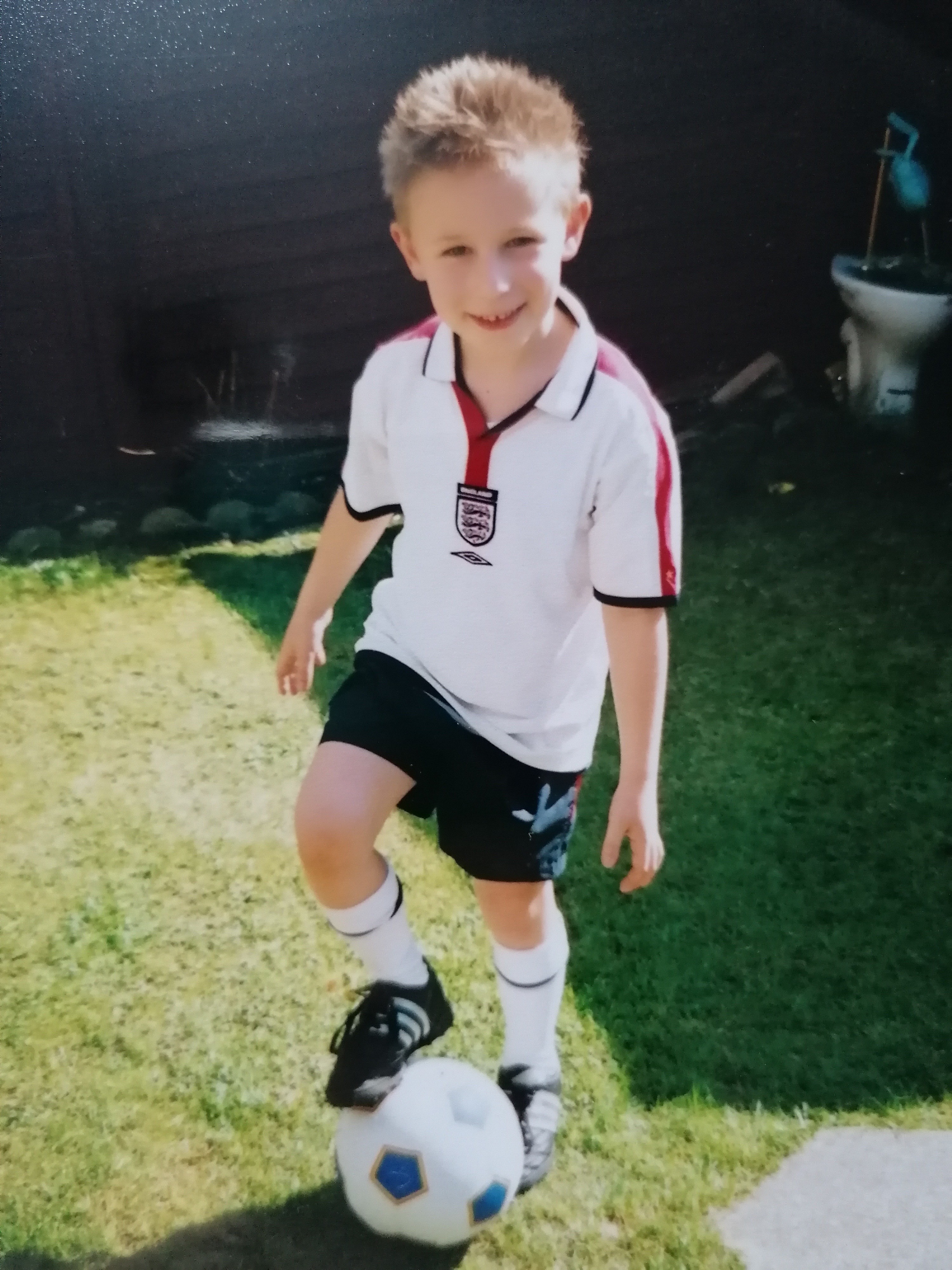
“My gut instinct was things weren’t going in the right direction”
Bradley was sporty, massively sociable and obsessed with football, following his beloved Tottenham Hotspur and the Lionesses. He was kind, lovely, and his strength amazed everyone.
His friends saw him always being positive and trying to be himself. He had this routine with chemo: four or five days in bed, then downstairs, eating a little bit, then out with his mates for a week - then back to chemo. He got himself into that routine, and I found it quite easy to cope with too. We did that for the first six rounds.
My gut instinct was the first sign things weren’t going in the right direction. The chemo hadn’t shrunk the tumour. His consultant called it the ‘gold star treatment’ — but it didn’t work. By September, the second treatment didn’t seem to work either. Inside, I started to doubt. I tried to stay positive but didn’t believe it. That feeling stayed until we were told the cancer was terminal. At Christmas 2020, I was determined to make it a really good Christmas, because my gut instinct was it would be our last.
We urgently need to find new ways to prevent, diagnose and treat bowel cancer more effectively – so more families can look forward to the future together. Please make a regular gift today to help us make more discoveries and save more lives.
Support us
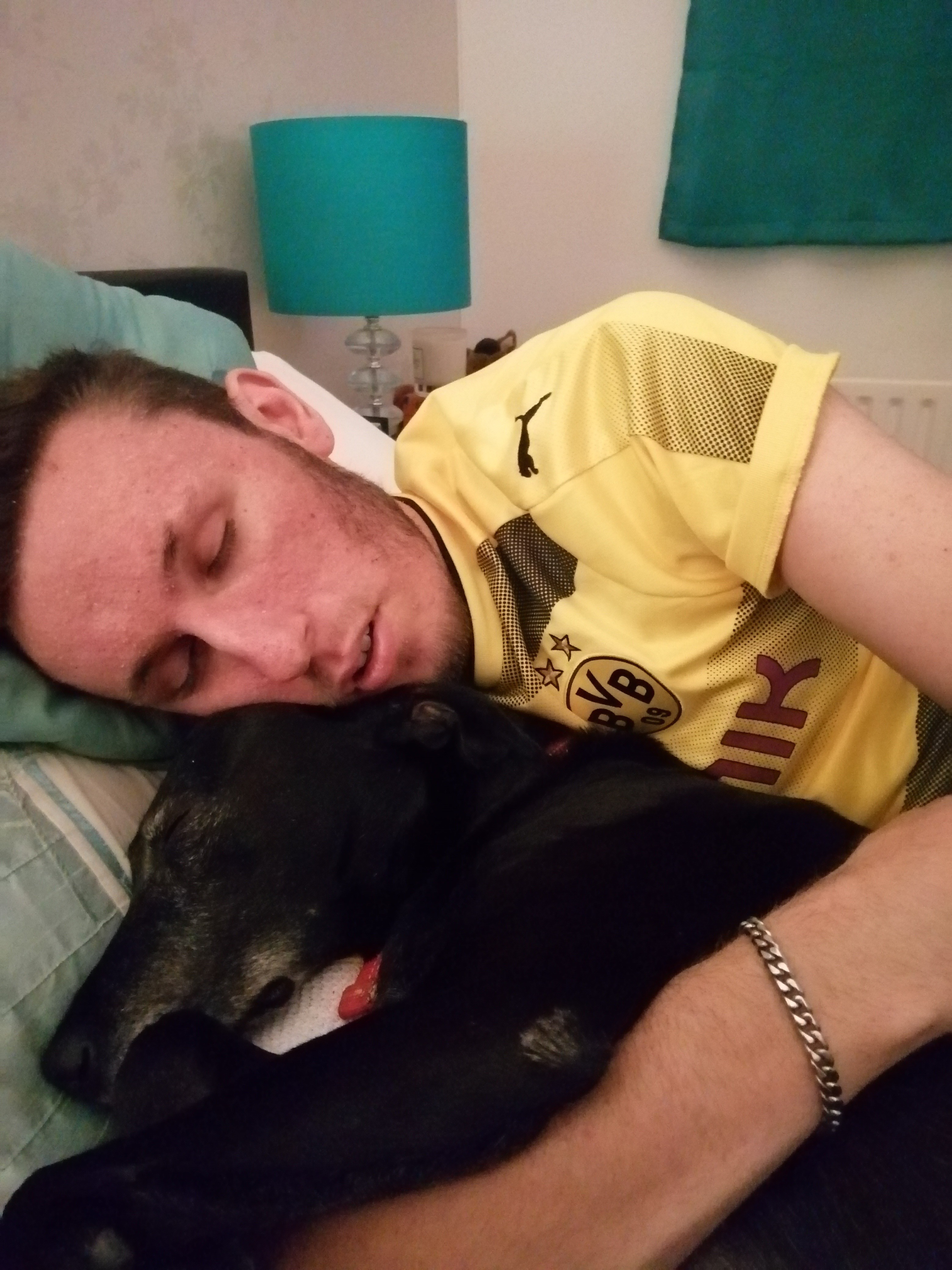
“He’ll be forever twenty‑three”
Despite treatment and all his determination, Bradley died on 19 February 2021, aged 23, just one birthday after his diagnosis.
You don’t just lose your child — you lose their future. I thought there might be grandchildren one day. His best friend got married last year; his friends are settling down now and forming careers. That’s where Bradley should have been. He’ll be forever twenty‑three.
I feel as though I lost everything. I talk about him whenever I can, and I support research into why early‑onset bowel cancer is rising. I truly believe Bradley would have wanted me to do this. I don’t want any other young person, or parent, to endure what we went through.
I feel very strongly it shouldn’t have happened. He had all the red flag symptoms. I try not to blame the medical profession, but I don’t feel he was given a fair chance. If it had been caught earlier, he might have had a future.
After he died, his dog Buster would sit outside his bedroom door. He’d run upstairs to look for him every time we came home. It took him a long time to stop looking.
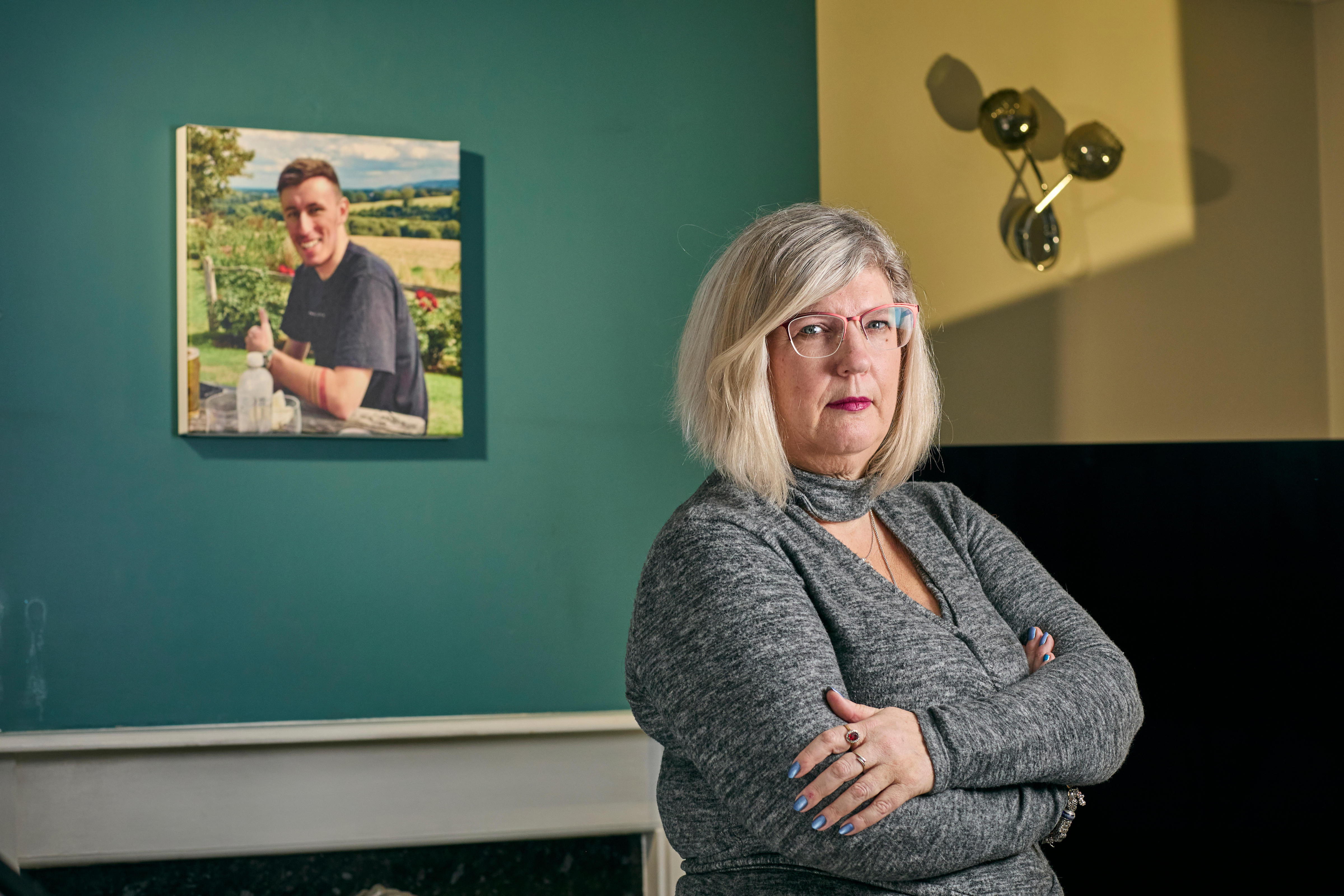
“Fundraising helped me cope”
I remember Bradley in lots of ways. The garden at the end is one of his places. During chemo, he got me into Love Island. We’d lie on his bed at night watching it. I decided to change the garden and he said, “We could do like a Love Island thing.” So we did — the fire pit, the sofa, his White Hart Lane sign. He spent most of the summer there.
He also worked at the local pub, The Ship Inn. He loved it there, really settled in and was part of their family. I’ve put some of his ashes there. I feel close to him when I’m there, and with his friends. When they’re together, it feels like he’s in the room.
Before his last birthday, he put a fundraiser on social media for a charity that helps young people who have been diagnosed with cancer. Within half an hour he had raised £500; by the evening nearly £2,000. He said he wanted to raise money so young people could have a better experience of chemotherapy than he did. He was passionate about turning his illness into something good.
He had treatment at the local hospital, because travelling all the way to the teenage cancer unit was too hard. The local unit was mostly older adults — he was the youngest. The internet didn’t work, no games, nothing for a young adult to do. Before the pandemic, his friends took turns sitting with him to break up the boredom. Sitting there alone for six hours is awful for your mental health.
Fundraising afterwards helped me cope — it’s the only thing I can still do for him. I can’t be a proactive mum to him anymore, but I can do this. And he’d be proud.
.jpg?sfvrsn=cf26b3d6_1 "260218_ICR_caroline_spring_campaign_0399 (2)")
“If research had been carried out earlier, Bradley might have had a chance”
Bradley had everything to live for — his job, his football, his plans. It was cruelly taken away from him. A cancer that we’re led to believe is curable wasn’t curable for him because it wasn’t identified in time.
Research is vital, especially for GPs, because they’re the first port of call. They have to consider cancer as an option, even for young people. If you’re diagnosed earlier, you have a better chance.
I’m pleased it’s finally been identified that bowel cancer in young people is genuinely rising. I used to think maybe I was being over‑sensitive because I’d lost my son, but the evidence now proves it. Research into early‑onset bowel cancer is really important because doctors and parents need to understand it can happen. You can’t just discount cancer because someone is under 50 years old. Research won’t bring Bradley back, but it might help other young people. It will hopefully help doctors give the right treatment, early enough.
Something is happening that’s making more under‑50s susceptible. If you’re over 50 with red flag symptoms, you get taken seriously — colonoscopy, investigation. Under 50, they look at other things first, and by the time cancer is considered, it’s often stage four. That delays diagnosis, and delays treatment, and young people lose their lives. There are so many stories I’ve heard — like the young woman who had twins and was diagnosed late because symptoms were put down to pregnancy. Or the young man in the Navy who was treated in the same room as Bradley. It is happening, and it’s not rare.
There has been progress in research for other cancers, but I feel early-onset bowel cancer has been left behind. I’m hopeful about the research being done at The Institute of Cancer Research — that it will ensure young people get correct treatments, earlier diagnosis, and a chance to be cured. If this research had been carried out earlier, Bradley might have had a chance. I’ve lost him, but I hope this research means there will be more young people who won’t lose their lives anymore.
Our world-class scientists are pushing the boundaries of research to defeat bowel cancer. Support us today to shape a future in which bowel cancer is more preventable, predictable and treatable – to give everyone the hope of a cure.
Donate monthly