News and features
Read the latest news and features about our world-leading research, discoveries, fundraising and philanthropy. If you want to keep updated on our news, you can follow us on social media or sign up for our Search newsletter.
If you’re a journalist and want to find out more, you can contact our media relations team.
Immunotherapy boost can spare more bladder cancer patients major surgery
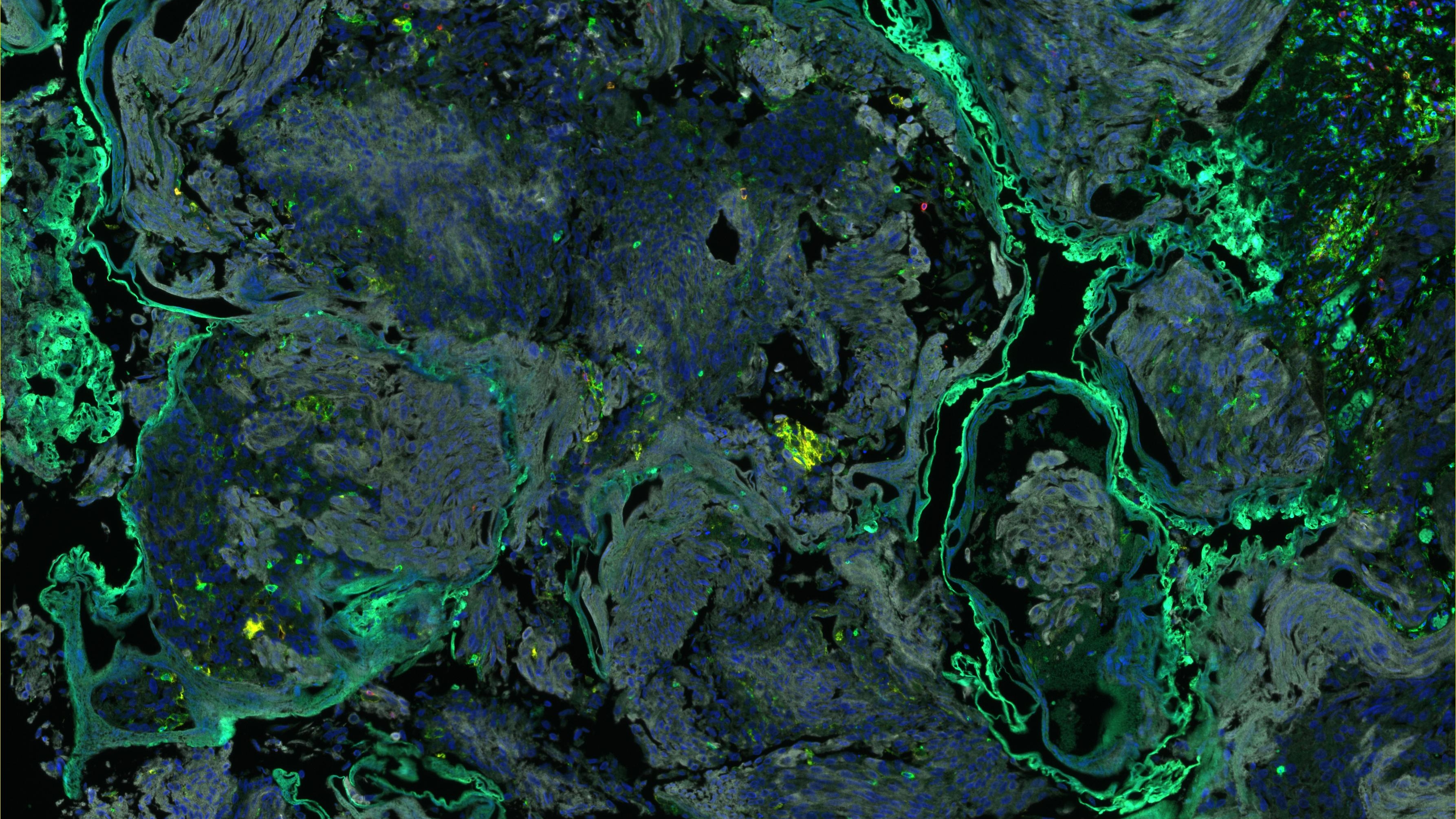
An immunotherapy helps bladder cancer patients remain cancer free and enables them to avoid surgery, a phase II trial has found.
Immunotherapy injection shrinks tumours in patients with recurrent and/or metastatic head and neck cancer
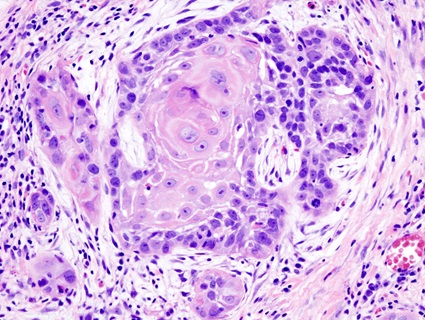
A targeted cancer treatment given via a simple injection under the skin shrank tumours in more than one third of patients with recurrent and/or metastatic head and neck cancer whose disease has stopped responding to standard treatments, according to research led by scientists at The Institute of Cancer Research, London

New targeted therapy shrinks advanced gastrointestinal tumours for 61 per cent of patients in an early study
A new, targeted cancer therapy for advanced gastrointestinal stromal tumours (GIST) has shown promising early results, with 61 per cent of patients who received velzatinib as first-line treatment experiencing tumour shrinkage of 30 per cent or over. The results could pave the way for a larger trial to evaluate this therapy as a first-line alternative to imatinib, which has been the standard treatment for more than two decades.
Targeted therapy shows promise for patients with advanced colorectal cancer in a first-in-human study
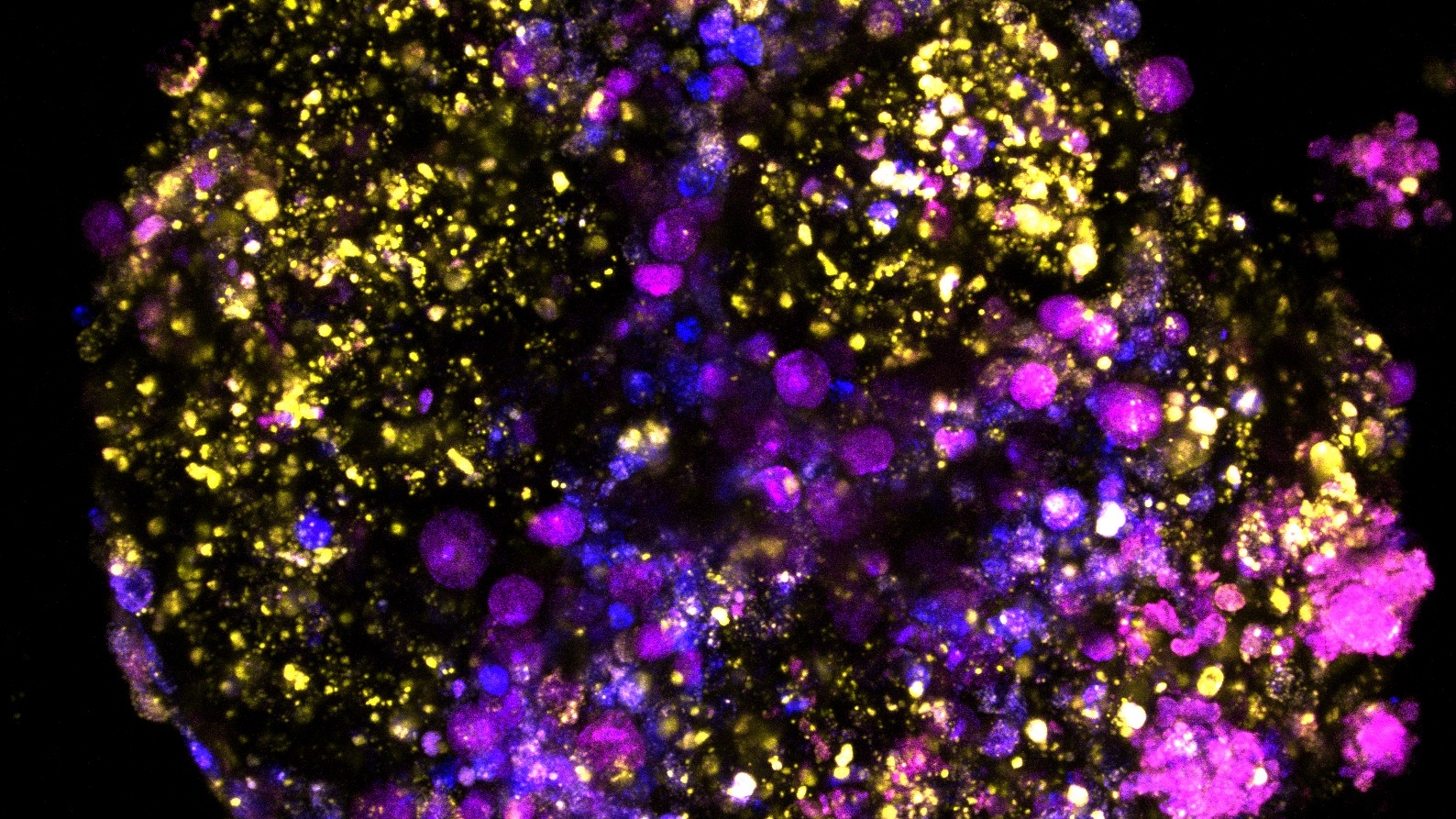
A targeted antibody therapy combined with standard chemotherapy has shown early signs of tumour shrinkage and disease control in patients with advanced bowel cancer, according to new Phase I clinical trial results from The Institute of Cancer Research, London and The Royal Marsden NHS Foundation Trust.
Combination immunotherapy significantly reduces kidney cancer recurrence after surgery
Results from the international Phase III RAMPART trial were presented today at the 2026 American Society of Clinical Oncology (ASCO) Annual Meeting by researchers from The Institute of Cancer Research, London and The Royal Marsden NHS Foundation Trust.
.jpg?sfvrsn=43f5528d_1 "deformed-cells-in-the-bone-marrow-typical-of-chronic-leukaemia-(photo-difu-wu)")
New study traces rare form of childhood leukaemia back to before birth
A team of scientists has uncovered new evidence that some cases of a subtype of childhood leukaemia may develop before birth, shedding light on how the disease evolves over time.
One week radiotherapy course shown to be safe and effective in the long term for early stage breast cancer
A one-week course of post-surgery radiotherapy is just as safe and effective as the traditional three-week course for people with early-stage breast cancer, according to long-term results from a ground-breaking study, led by The Institute of Cancer Research, London
Early scan could help predict breast cancer treatment response
Research led by The Institute of Cancer Research, London and King’s College London suggests that an early scan taken after one cycle of chemotherapy could help to predict how well a patient’s cancer will respond to treatment.

Men can be safely treated with two radiotherapy sessions for localised prostate cancer with no increase in side effects in comparison to five sessions
Men with localised prostate cancer could benefit from a shorter course of radiotherapy, after new research data shows that just two higher-dose treatments are as safe as a standard five-session regimen, with no increase in side effects.

Childhood leukaemia and germs: research reveals the critical importance of timing
New research has endorsed a long standing idea explaining why acute lymphoblastic leukaemia (ALL) – the most common cancer in children – appears abruptly in early life, often in otherwise healthy individuals, with no obvious environmental trigger.
-growing-in-single-files-along-collagen-fibres-(red)_renee-flaherty.jpg?sfvrsn=b3bf3bc8_3 "Invasive lobular breast cells (yellow) growing in single files along collagen fibres (red)_Renee Flaherty")
The ICR and Breast Cancer Now strengthen collaborative programme to tackle lobular breast cancer
The Institute of Cancer Research, London, and Breast Cancer Now are building on their long‑standing collaboration with a major initiative focused on improving treatment for lobular breast cancer.

Newly discovered role for cancer-linked protein exposes vulnerability in tumour cells
Scientists have uncovered a previously hidden role for a protein frequently mutated in cancer, showing that it helps maintain the stability of the genome at some of its most vulnerable sites.