News and features
Read the latest news and features about our world-leading research, discoveries, fundraising and philanthropy. If you want to keep updated on our news, you can follow us on social media or sign up for our Search newsletter.
If you’re a journalist and want to find out more, you can contact our media relations team.

The ICR, PureGym and Sir Chris Hoy strengthen initiative to get more men with prostate cancer active
The Institute of Cancer Research, London, Sir Chris Hoy, PureGym and The Royal Marsden NHS Foundation Trust have teamed up for a second year running to help men with prostate cancer to become more active.
New trial design could improve early-stage cancer studies involving CAR-T therapies
Researchers have developed a new statistical approach that could help improve how early-stage cancer trials identify the safest and most effective doses of advanced therapies, such as CAR-T therapy.

Researchers develop gene-editing platform to systematically decode histone function in mammalian cells
Scientists have developed a powerful new gene-editing platform that allows them, for the first time, to systematically test the function of key proteins in mammalian cells.
New clinical trial design could improve dose selection, maximising treatment efficacy and safety
Researchers have developed a new approach to help determine the optimal dose of cancer drugs, aiming to make early-stage clinical trials more transparent and better aligned with patient needs.
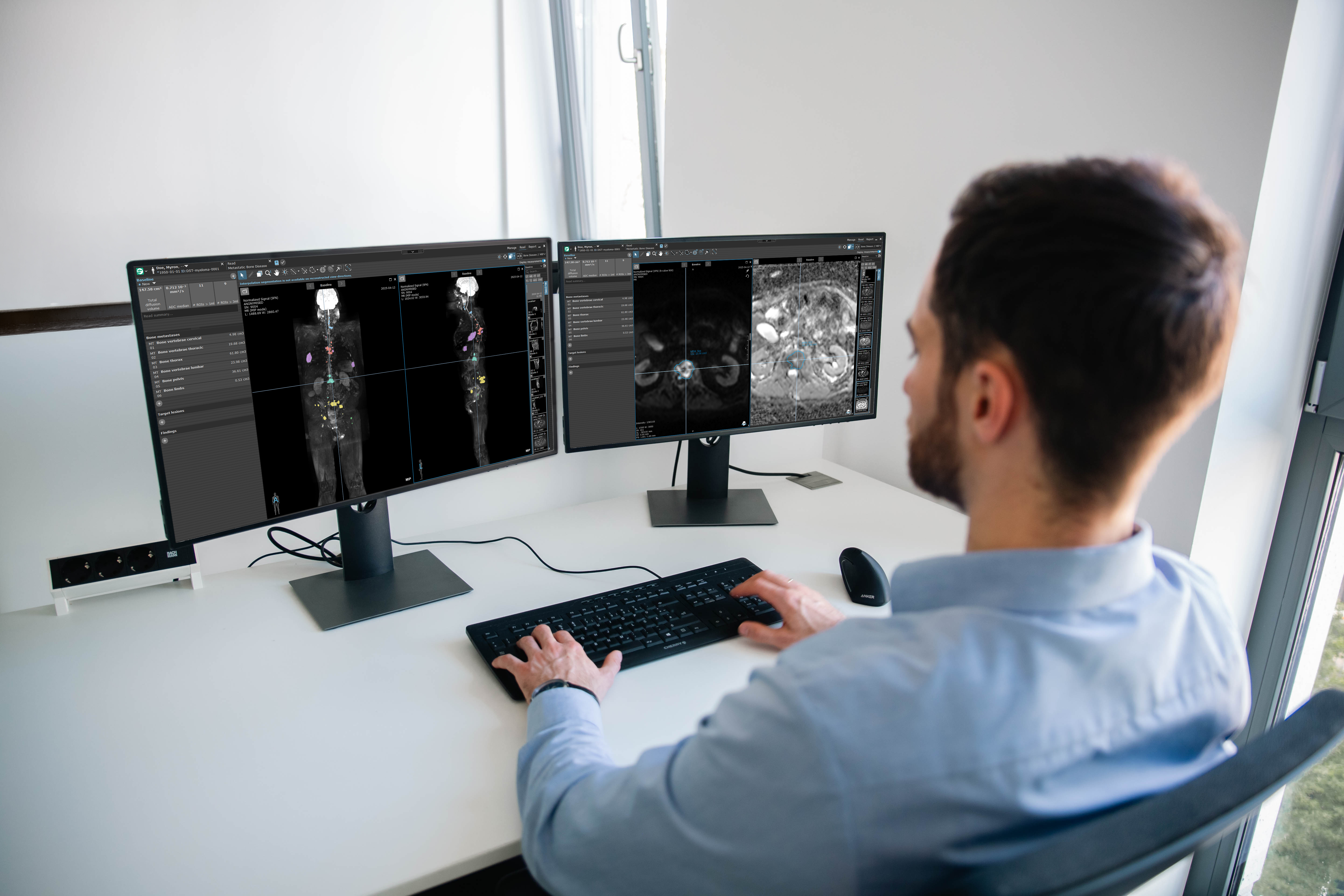
The ICR and The Royal Marsden partner with Mint Medical on roll out of global AI cancer imaging tool
The Institute of Cancer Research, London, and The Royal Marsden NHS Foundation Trust have announced a new licensing agreement with MedTech company Mint Medical, a Snke Company, to improve monitoring for patients with bone disease in advanced prostate cancer and multiple myeloma.

Targeting cancer cell DNA repair mechanism may make radiotherapy more effective
Scientists have uncovered a mechanism that helps cancer cells survive radiation, pointing to a potential new way to make treatment more effective.
ICR welcomes FDA approval of capivasertib for advanced prostate cancer
The Institute of Cancer Research, London, strongly welcomes the news that the targeted drug capivasertib, has been approved by the US Food and Drug Administration (FDA) for treating a type of advanced prostate cancer.
---945x532.jpg?sfvrsn=73000500_2 "radiotherapy IMRT (photo: Jan Chlebik/the ICR) - 945x532")
Thousands of men with prostate cancer will now be offered high-powered radiotherapy on the NHS
Thousands of men with prostate cancer in England will be offered a more precise form of radiotherapy that cuts treatment time by up to 75 per cent, based on the results of a trial led by The Institute of Cancer Research (ICR), London and Royal Marsden NHS Foundation Trust. The therapy is known as SABR or SBRT.

New study explores the use of powerful electron beams to treat cancer
Scientists have explored how a new high-powered laboratory accelerator could one day be used to treat cancer, offering new insights into an emerging form of radiotherapy known as FLASH.

Cancer trials under the microscope: Study finds barriers to inclusion persist in the UK
A new UK-based study is shedding light on a quiet but consequential problem in cancer research: whether some people have less opportunity than others to participate in clinical trials.
Immunotherapy boost can spare more bladder cancer patients major surgery
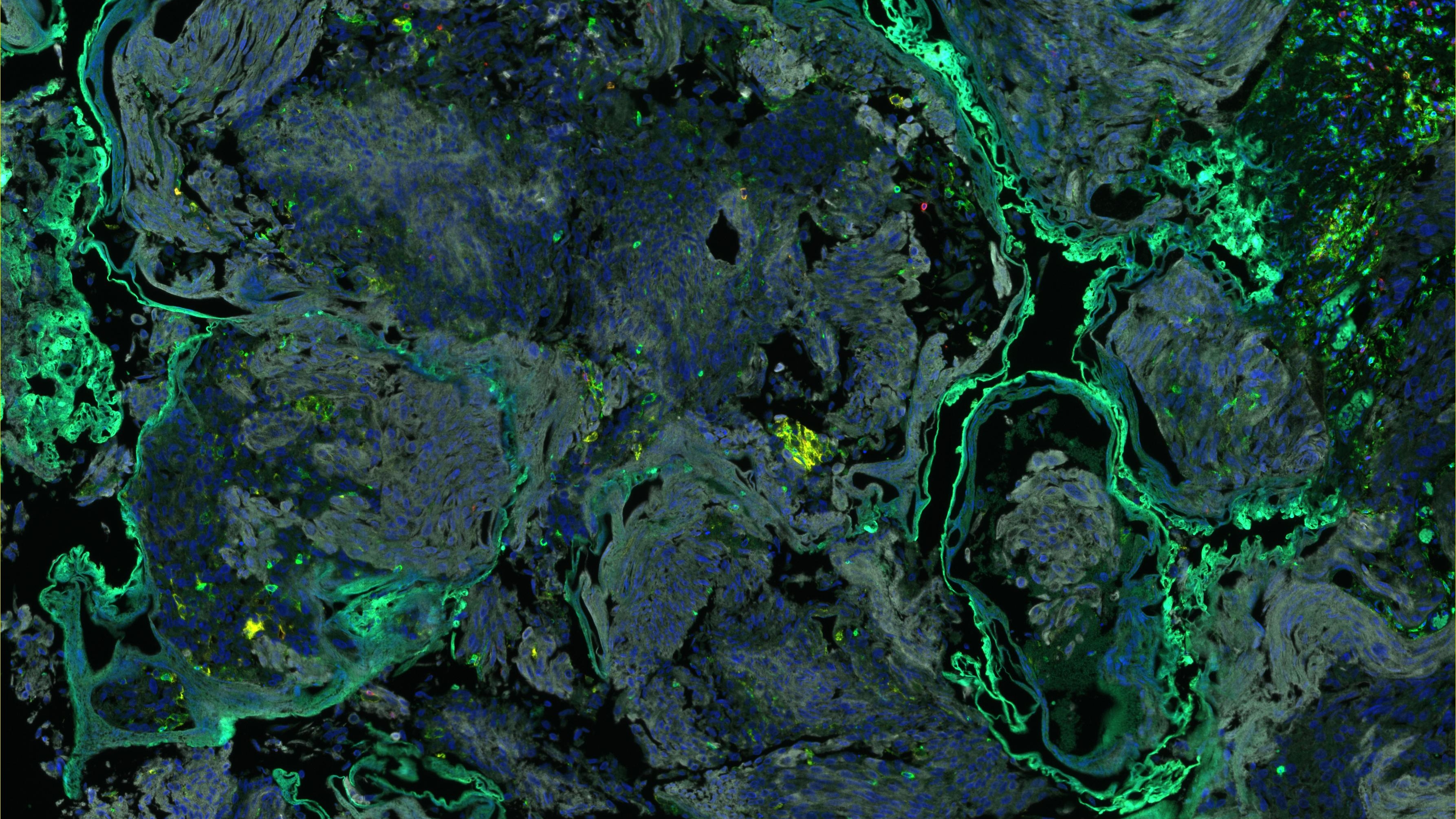
An immunotherapy helps bladder cancer patients remain cancer free and enables them to avoid surgery, a phase II trial has found.
Immunotherapy injection shrinks tumours in patients with recurrent and/or metastatic head and neck cancer
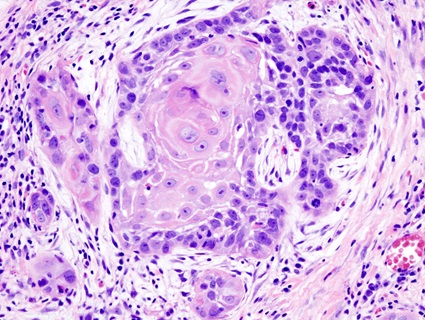
A targeted cancer treatment given via a simple injection under the skin shrank tumours in more than one third of patients with recurrent and/or metastatic head and neck cancer whose disease has stopped responding to standard treatments, according to research led by scientists at The Institute of Cancer Research, London