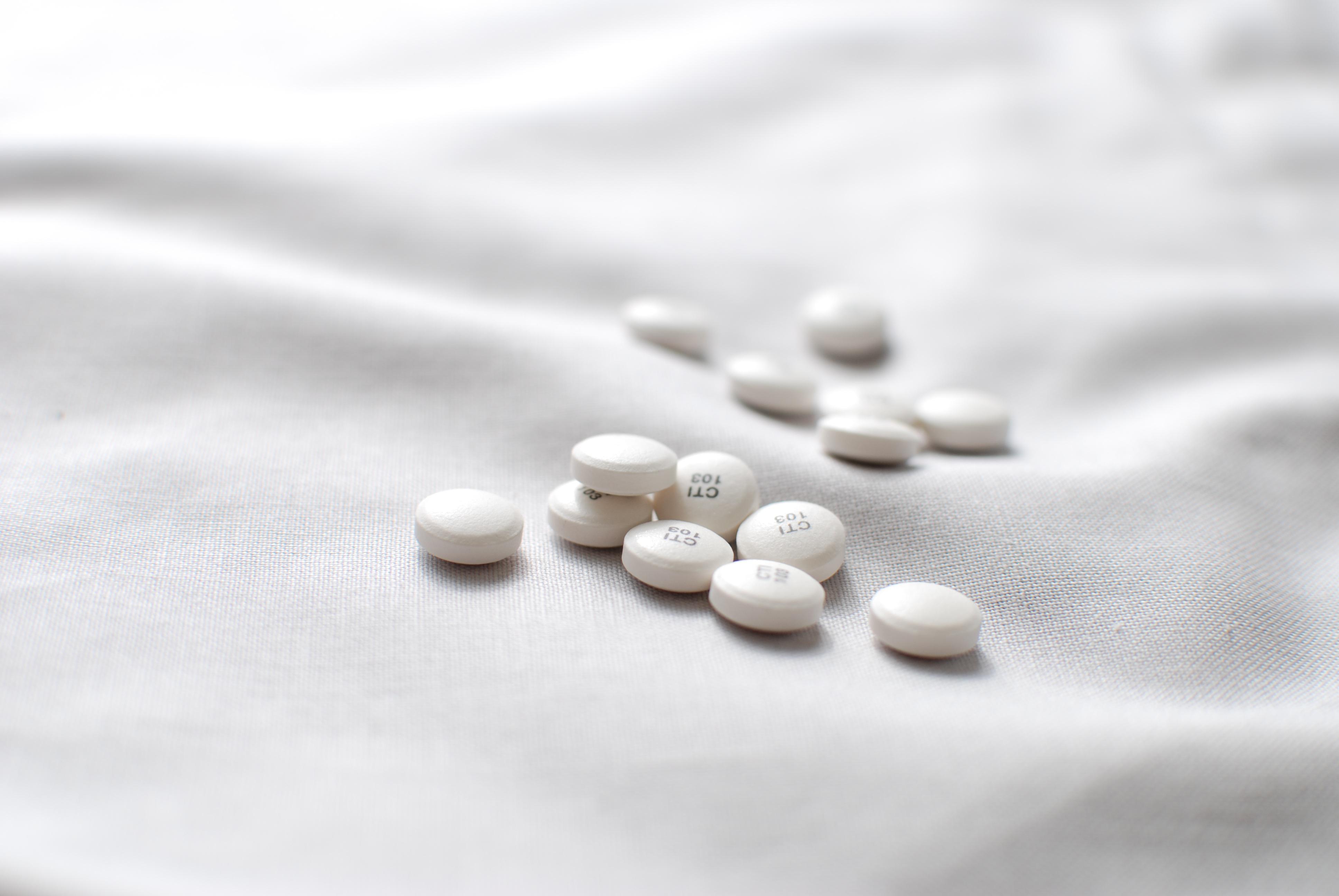
Nuclear medicine and PET imaging course
Course dates
Tuesday 9th - Friday 12th March 2027.
Venue
The Institute of Cancer Research and The Royal Marsden NHS Foundation Trust, Oakleaf Avenue, Sutton, Surrey, UK.
Course overview
This course is organised by the Joint Department of Physics of The Royal Marsden NHS Foundation Trust and The Institute of Cancer Research, London.
This longstanding course is designed to teach the scientific principles upon which nuclear medicine imaging is based. It gives an introduction to the underlying physics and radiochemistry principles which form the basis of nuclear medicine before delivering a set of detailed lectures covering all aspects of imaging.
The course is run over four days (Tuesday to Friday). Each day is designed to cover a particular theme. The first day primarily covers radionuclides and radiation protection; the second day focuses on gamma camera and SPECT imaging; the third day is dedicated to PET/CT imaging. The fourth day concentrates on individual patient dosimetry/treatment planning for molecular radiotherapy.
The course is intended to be useful for medical physicists in training and postgraduate students, as well as more experienced professionals seeking to refresh or expand their knowledge in key areas.
The course assumes some familiarity with general principles of physics, but no specific knowledge of nuclear medicine imaging is assumed. A provisional lecture list is available below.
This is a CPD course approved by IPEM.
This course is currently undergoing its annual accreditation review by the European Board for Accreditation in Medical Physics (EBAMP). Accreditation is pending and will be confirmed once the evaluation process is complete.
Provisional lecture list
Day 1: Radionuclides & radiation protection
- Physics for Nuclear Medicine
- Radionuclide Production
- Radiopharmaceuticals
- Nuclear Medicine / PET Case Studies
- Radiation Detectors
- Radiation Protection in Nuclear Medicine
Day 2: Gamma camera imaging
- The Gamma Camera
- Nuclear Medicine Imaging Techniques
- SPECT Imaging
- Iterative Reconstruction
- Nuclear Medicine / PET Case Studies
- Quality Control and Performance Assessment of Gamma Camera Systems
- Image Processing Techniques
- Advances in Gamma Camera Technology
Day 3: PET/CT
- Principles of CT imaging
- PET Instrumentation
- PET Tracer Production and Molecular Targeting
- Principles of Tracer Kinetics
- The Future of Nuclear Medicine
- PET in Radiotherapy
- Advances in PET Technology
Day 4: Internal dosimetry
- Introduction to the MIRD Schema
- Quantitative Imaging
- Absorbed Dose Calculation Algorithms
- Applications of Internal Dosimetry
- Radiobiology for MRT
- Dosimetry in Emerging Clinical Therapies
- Practical Session
Each lecture will be 45 minutes in duration.
Registration & Course fees
Downloadable Registration Form (PDF)
All current course registration fees are given on our registration form. Delegates wishing to attend on particular days only, will be charged on a pro rata basis.
The cost includes lunches and light refreshments. Lecture notes and a certificate of attendance are provided.
You will be allocated a place on receipt of a completed registration form and a valid quoted payment reference/purchase order or completed bank transfer/online payment. We are unable to accept provisional bookings.
The number of participants is limited, so early booking is advised. Applications from outside the UK are welcome.
Closing date for completed registrations: Friday 19th February 2027.
Related documents
Contacts
Course organiser: Dr Iain Murray (Royal Marsden Hospital)
Tel: +44 (0)20 8661 3717
For registration details and any other queries contact:
Course administrator: Mrs Jessica Keegan
Tel: +44 (0)20 8661 3075
Latest ICR News

The ICR, PureGym and Sir Chris Hoy strengthen initiative to get more men with prostate cancer active
New trial design could improve early-stage cancer studies involving CAR-T therapies

Researchers develop gene-editing platform to systematically decode histone function in mammalian cells