
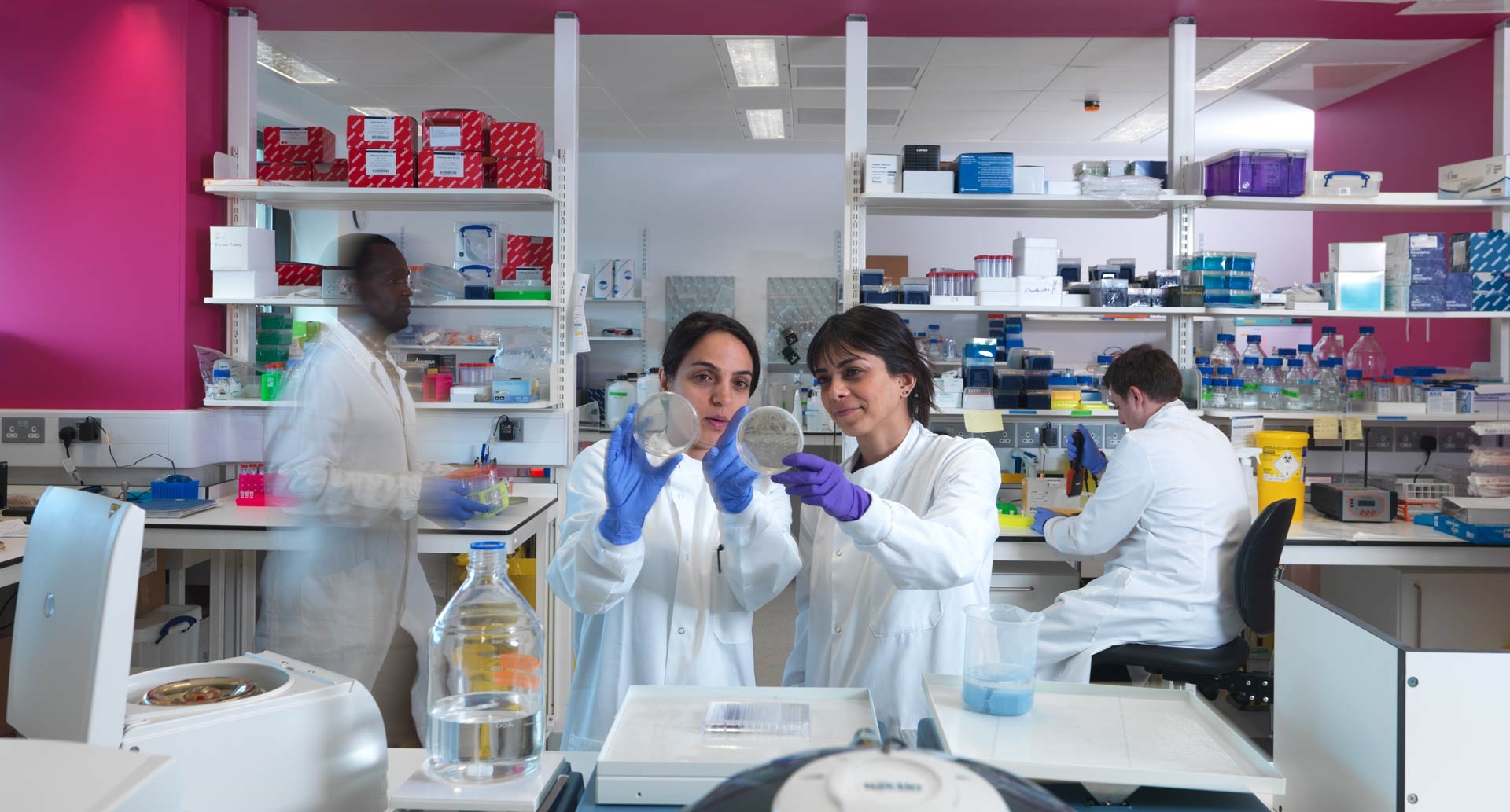
World-leading facilities. World-leading scientists.
Bench to bedside discoveries.
We have been leading scientific discoveries in cancer and its treatment for more than 100 years. Working with key partners such as The Royal Marsden, our researchers are pushing the frontiers of cancer research across many scientific disciplines.
The cancer discoveries charity
We're both an independent cancer research institute and a charity. Our discoveries and our partnership with The Royal Marsden hospital mean we’re rated as one of the top centres for cancer research and treatment worldwide.
Training tomorrow’s leaders
The ICR is a higher education institution and a member institution of the University of London, providing PhD studentships and other higher level courses. We are committed to educating and training the next generation of researchers and clinicians.
Find a researcher at the ICR
Need to find a specific expert or members of our research group or divisions? Just search by role, division, name or browse our researchers A-Z:
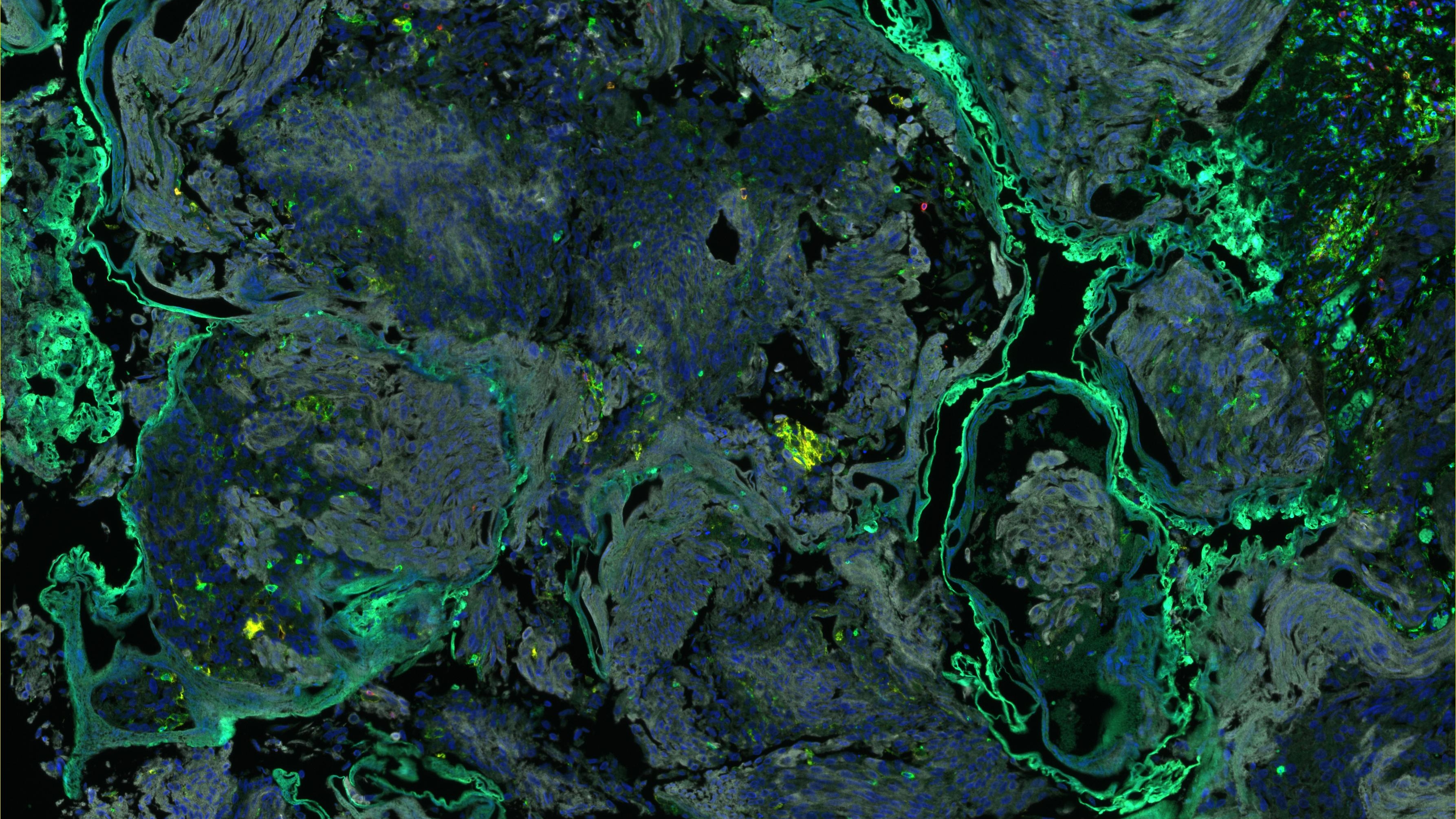
Some of our latest discoveries



More about the ICR
Our vision is to transform the lives of cancer patients through world-class research, and to train the next generation of cancer researchers.
Work or study with us
We’re a top UK academic research centre, a postgraduate college and a charity. Work or study at the forefront of cancer research, in an environment that’s collaborative, international and inclusive.
Our research into different cancers
From blood cancer to pancreatic cancer, our scientists work across all cancer types. Find out about some of the research we’re doing into different forms of cancer.